Film — Visual Development

Every image made to support the narrative

Visual development across Disney, Netflix, and Amazon — building worlds that serve story

RoleConcept Artist / Visual Development
ProjectsAlice Through the Looking Glass · Spectral · Rings of Power
StudiosDisney · Netflix · Amazon / Weta Digital
The Approach
Design without narrative is decoration.

Visual development is not illustration. It is the process of translating a script's intentions into a buildable visual language — every environment decision made in service of what needs to happen narratively in that space. The work shown here spans three productions across fifteen years: a Disney fantasy, a Netflix sci-fi thriller, and the largest television production in Amazon's history.

Across all three, the methodology is the same: start with the story's emotional and narrative requirements, then build the visual language that makes those requirements legible on screen. An architecture that reflects a character's psychology. A creature whose appearance embeds its narrative function. A market stall that communicates a civilisation's values through material and structure alone.

01 — Alice Through the Looking Glass
The Red Queen's world as a psychology made spatial.

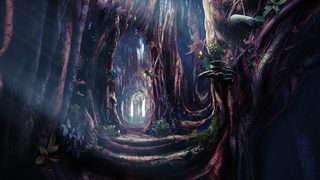
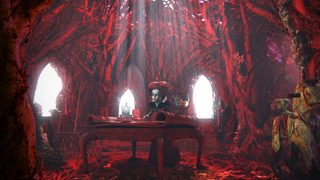
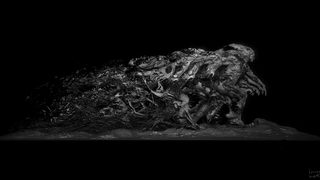
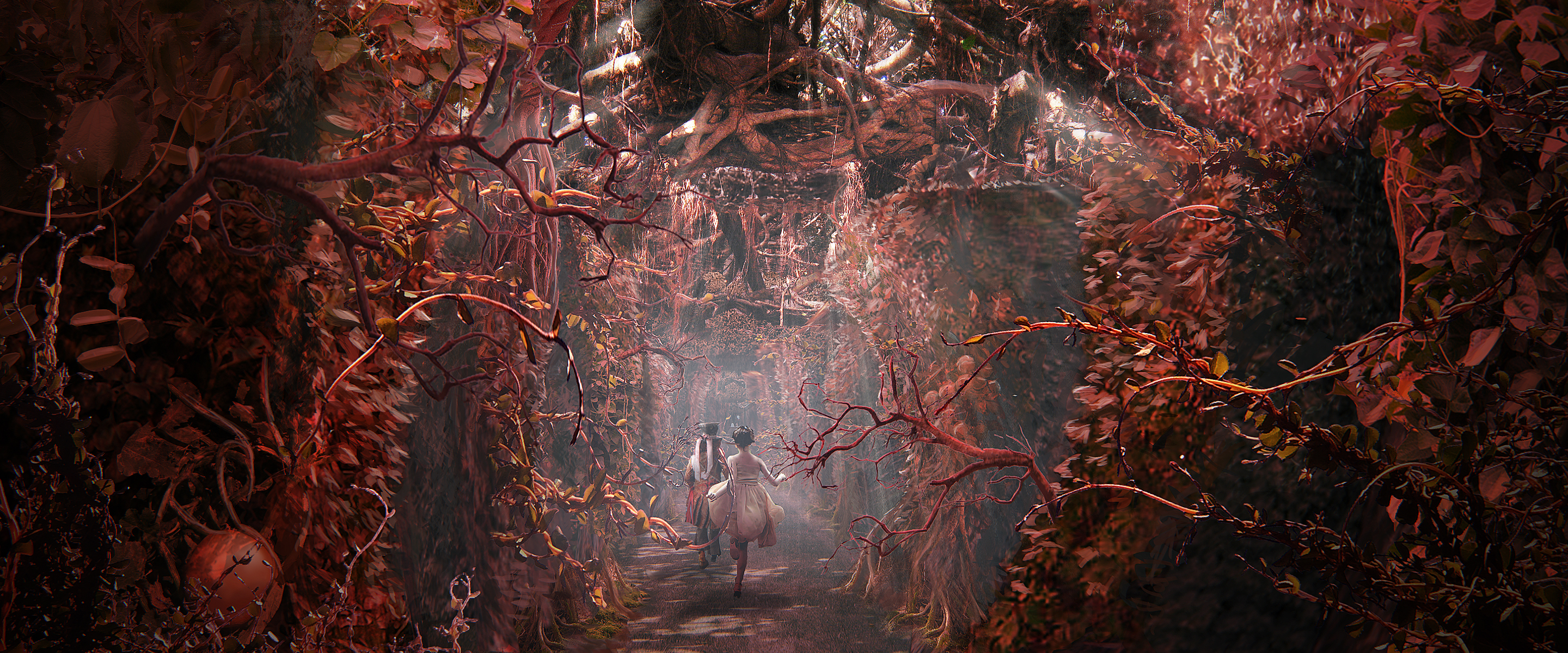
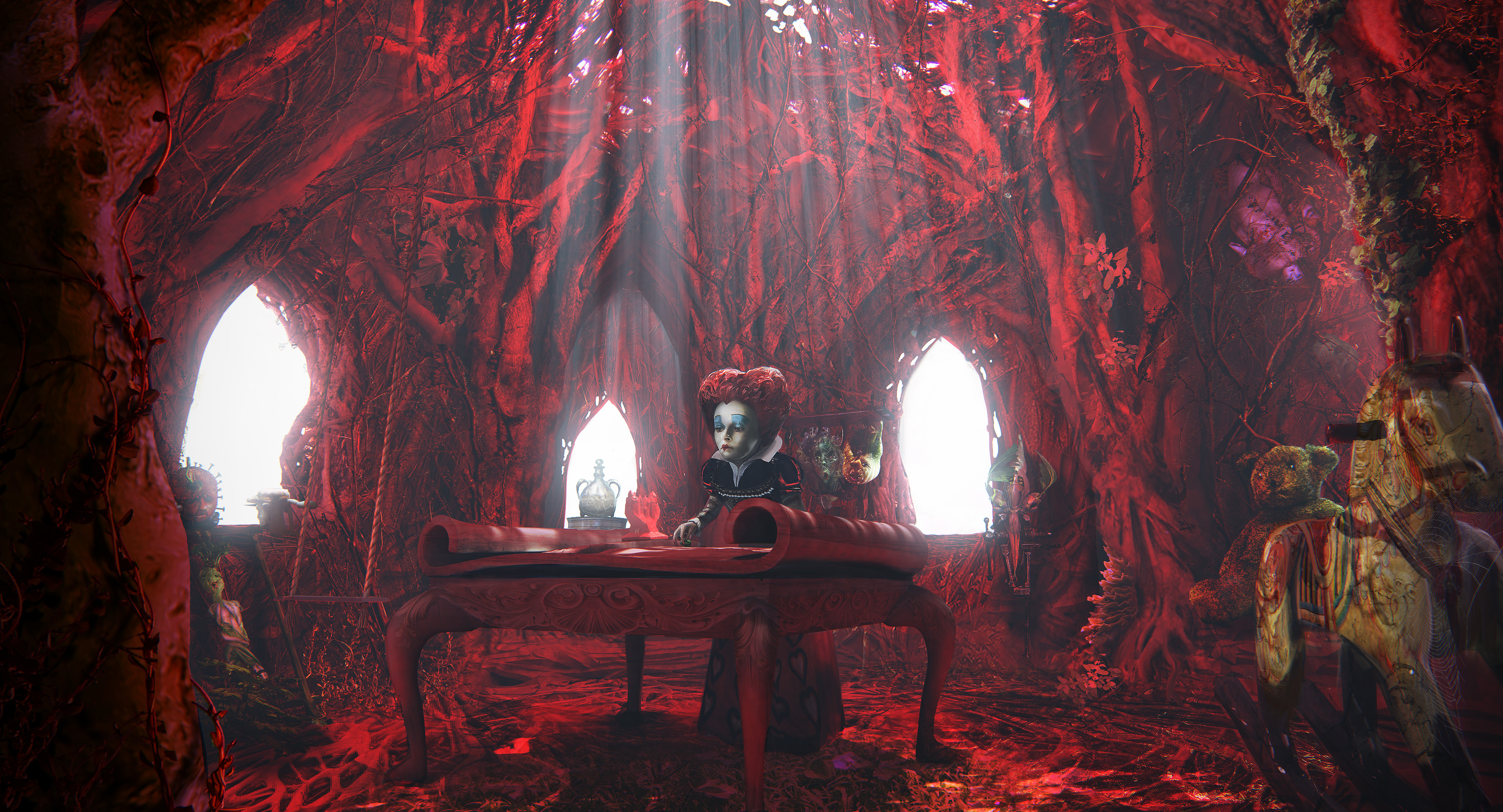
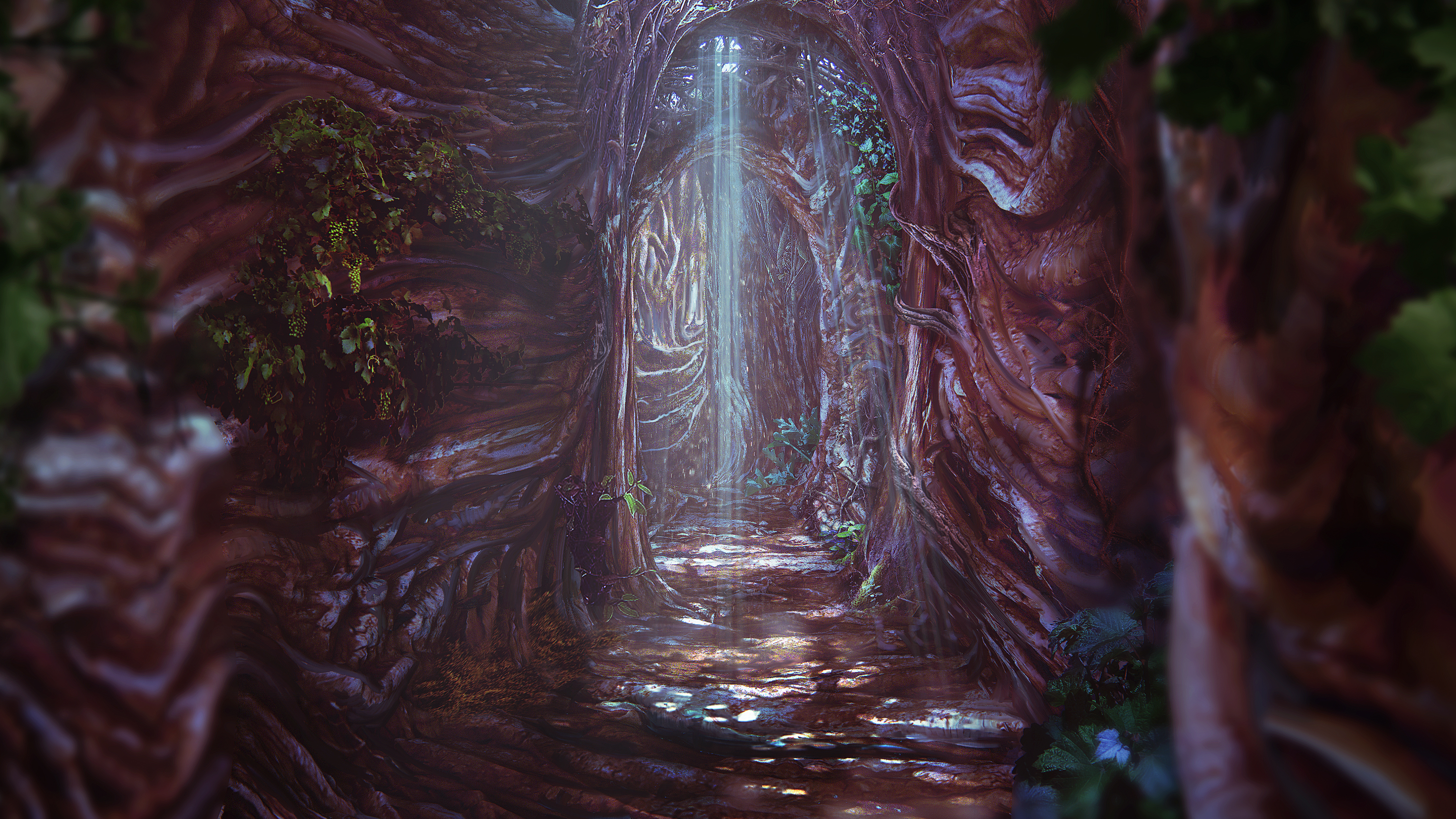
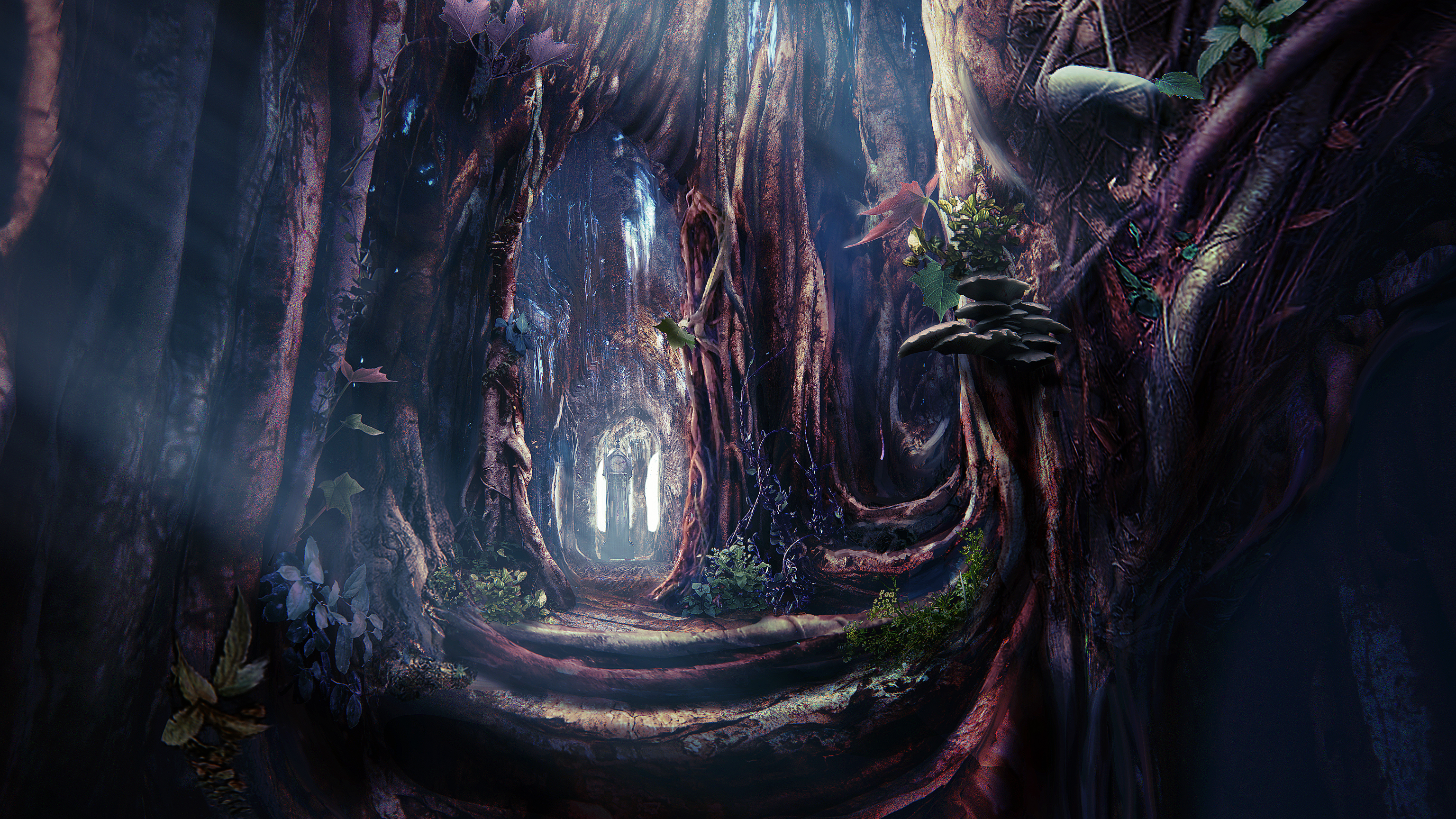
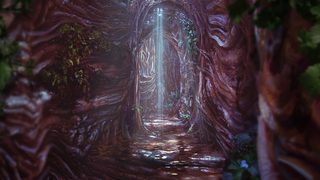
Iracebeth's domain for the Disney sequel required a visual language that externalised her character — obsessive, organic, overwhelming, suffocating in its richness. The architecture is not built, it has grown: a castle that is simultaneously a living organism and a monument to vanity. Every surface carries narrative weight.

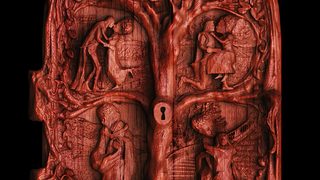
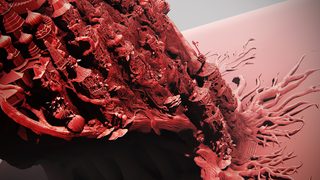
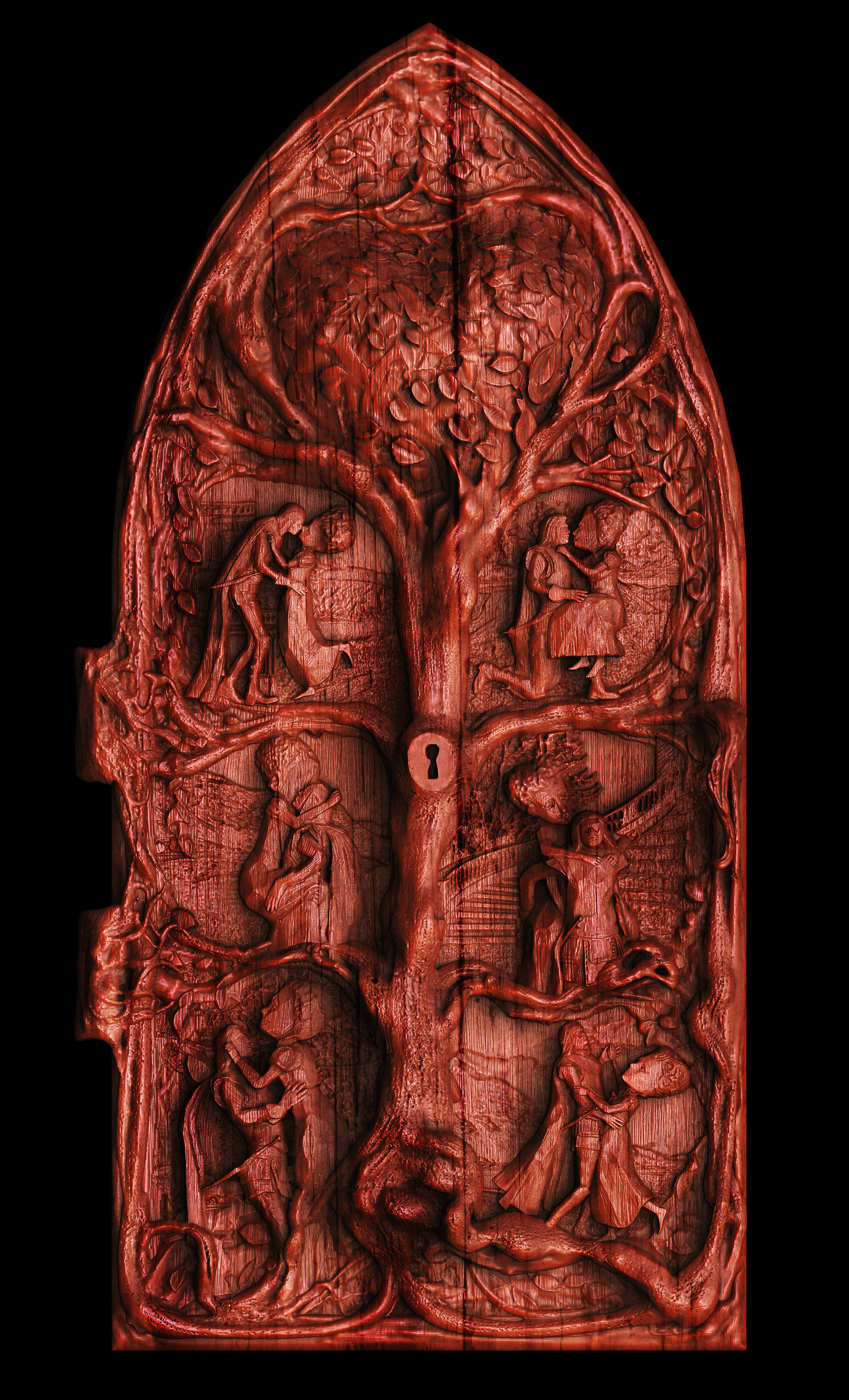
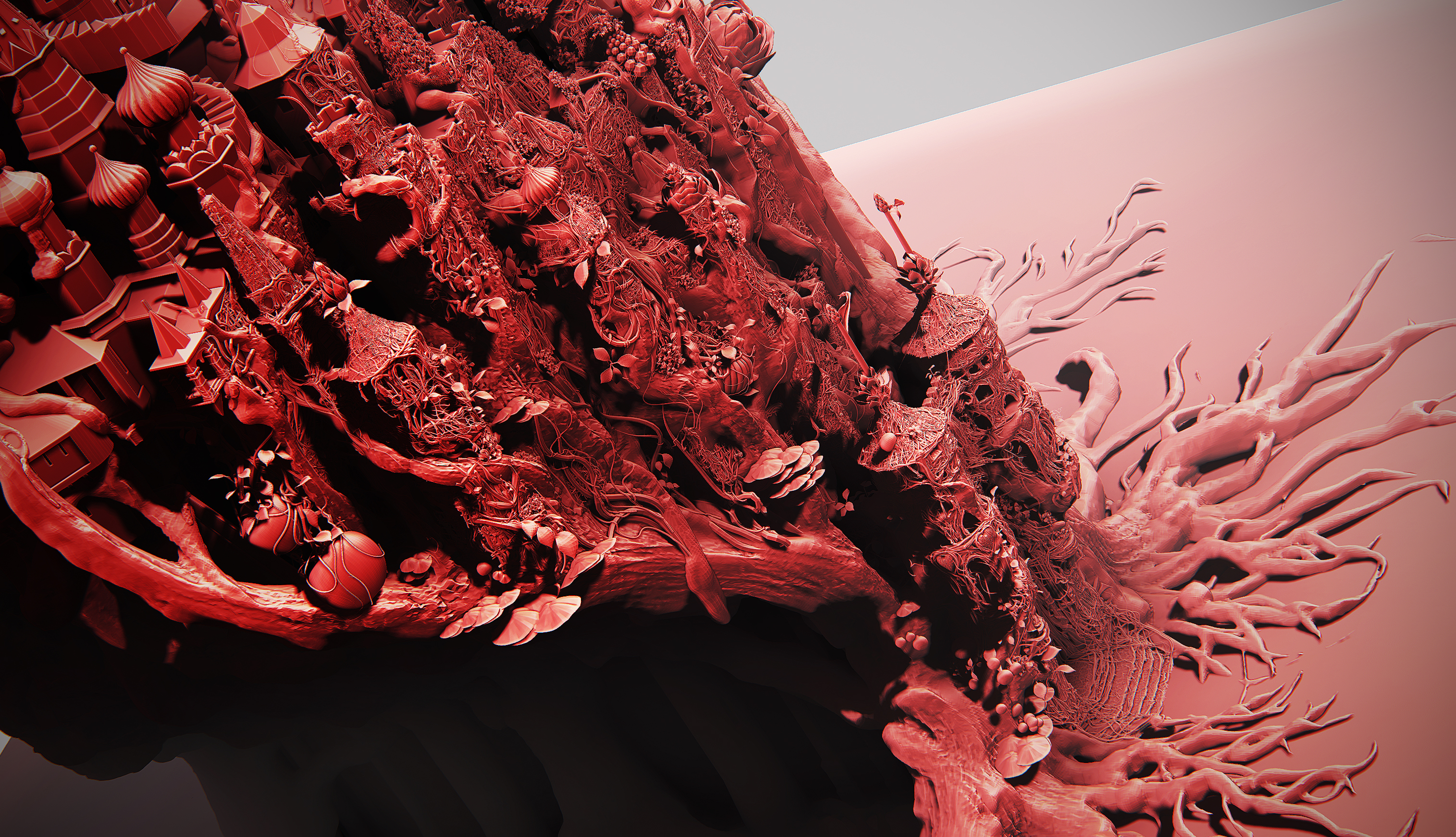
The design process moved from environment paintings establishing mood and approach, through ZBrush sculpts developing the organic architectural surface language, to detailed set pieces including a narrative door whose carved panels tell the Red Queen's story across six scenes. The work was produced for the visual development phase prior to production design finalisation.

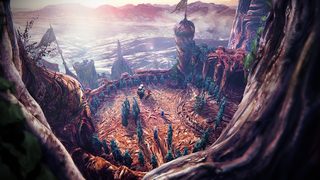
Iracebeth's castle exterior — the Red Queen's psychology made architectural, a heart-shaped organism in a barren landscape
Court hallway — the organic tunnel architecture, nature as oppression
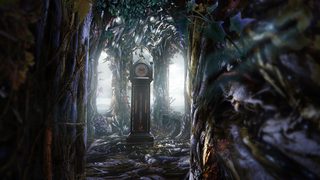
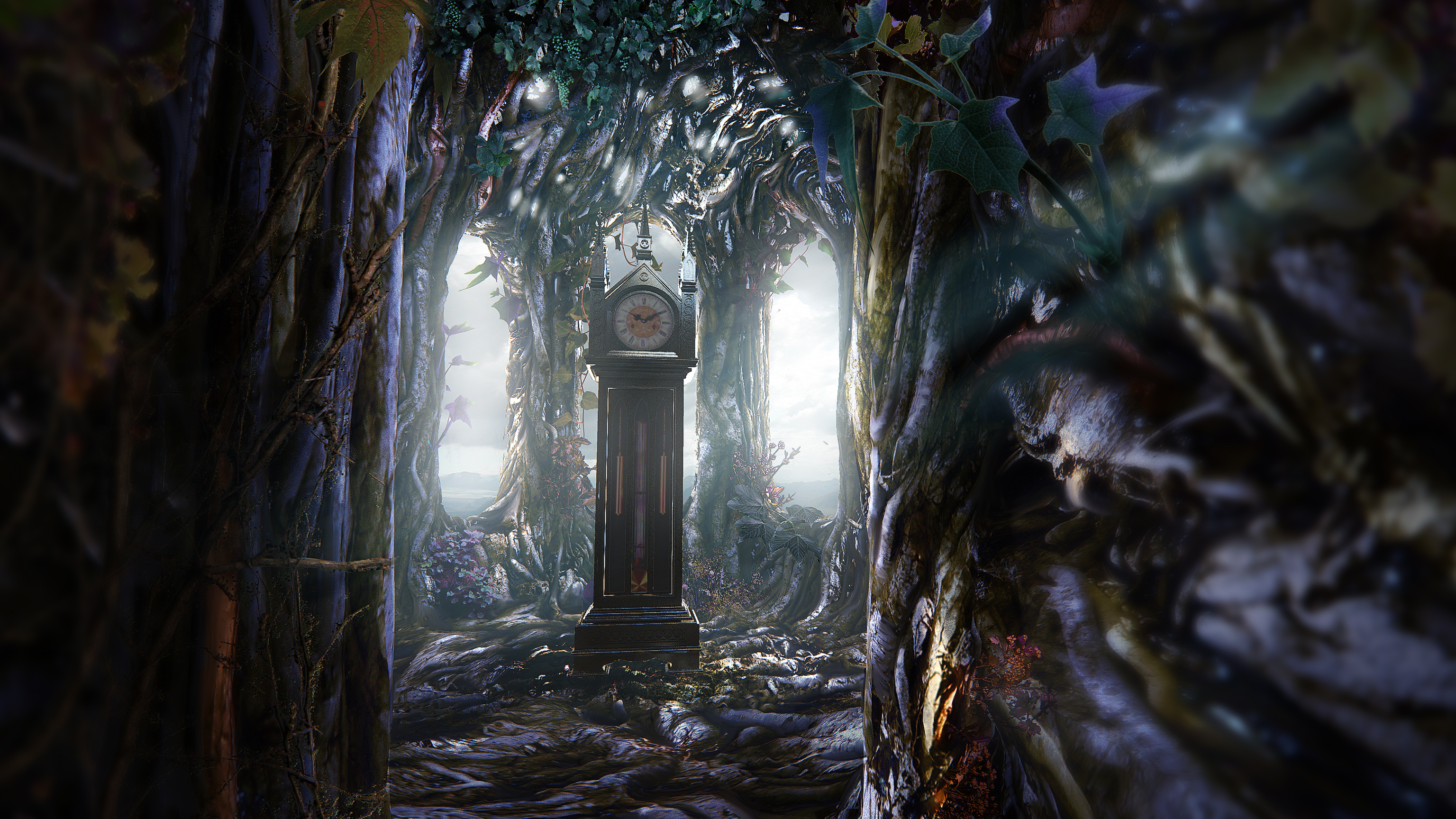
Hallway with clock — time as physical presence, the film's central theme embedded in the space
Grandfather clock reveal — narrative object in architectural context
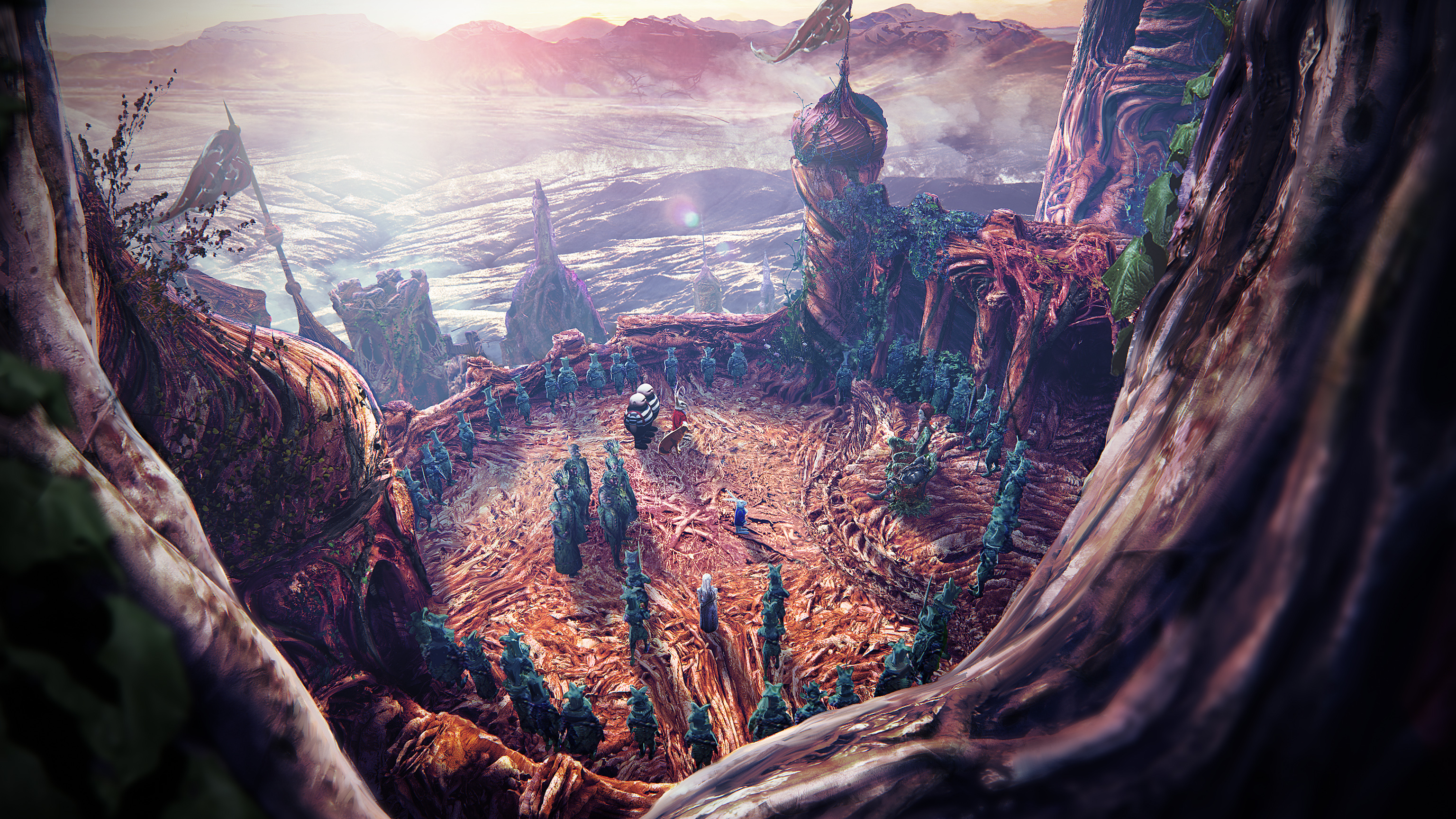
Battle ground — the hallway architecture at epic scale, war among the roots
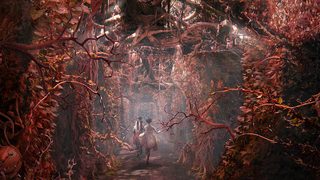
Castle interior with characters — scale and atmosphere, the organic archways framing human drama
Throne room — Iracebeth at her table, the space designed entirely around her character
Bedroom door — six narrative panels carved into the organic surface, the Red Queen's story told through architectural detail
Castle surface ZBrush detail — the organic architectural system, buildings embedded in the living mass
02 — Spectral
A character that is simultaneously a creature, an effect, and a narrative state.

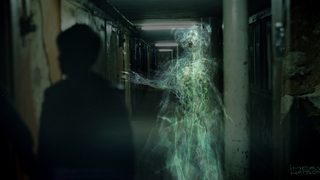
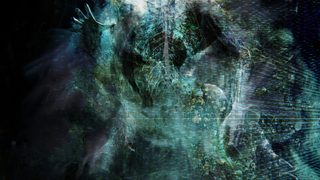
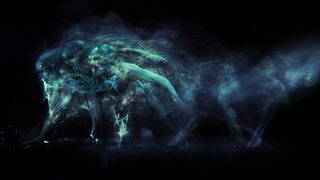
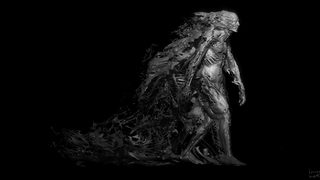
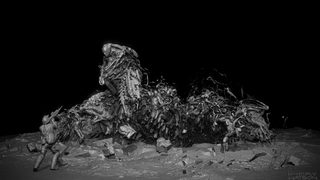
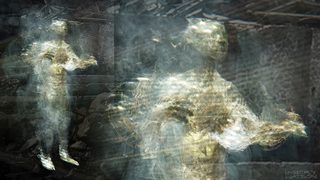
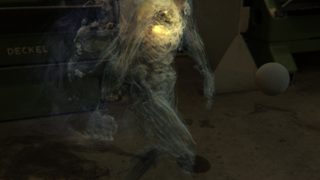
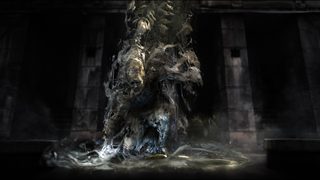
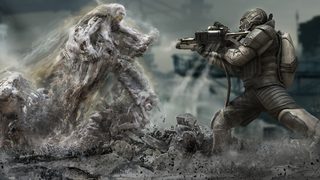
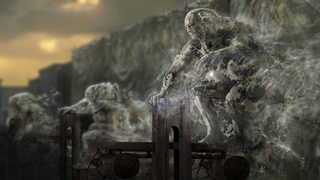
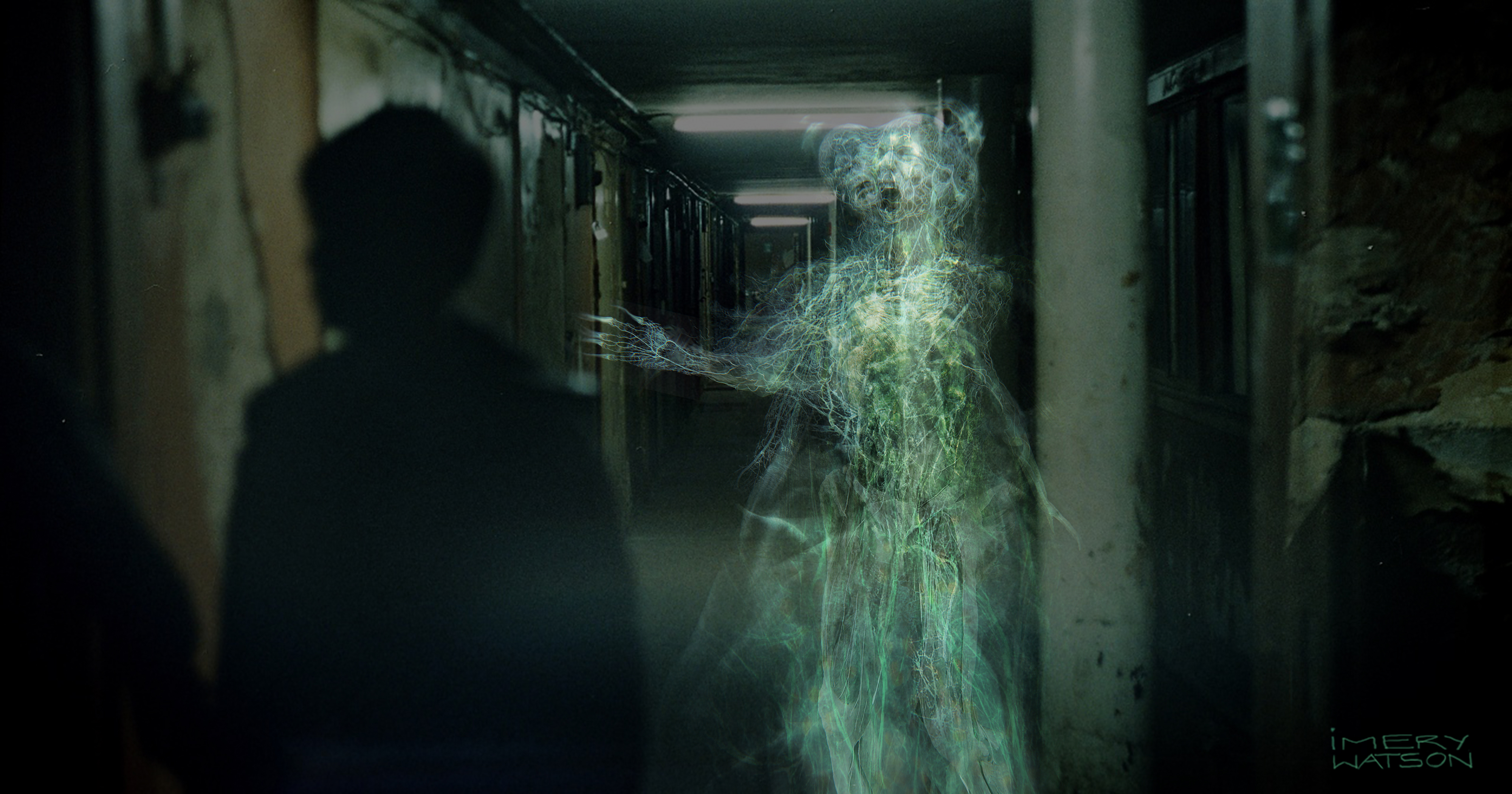
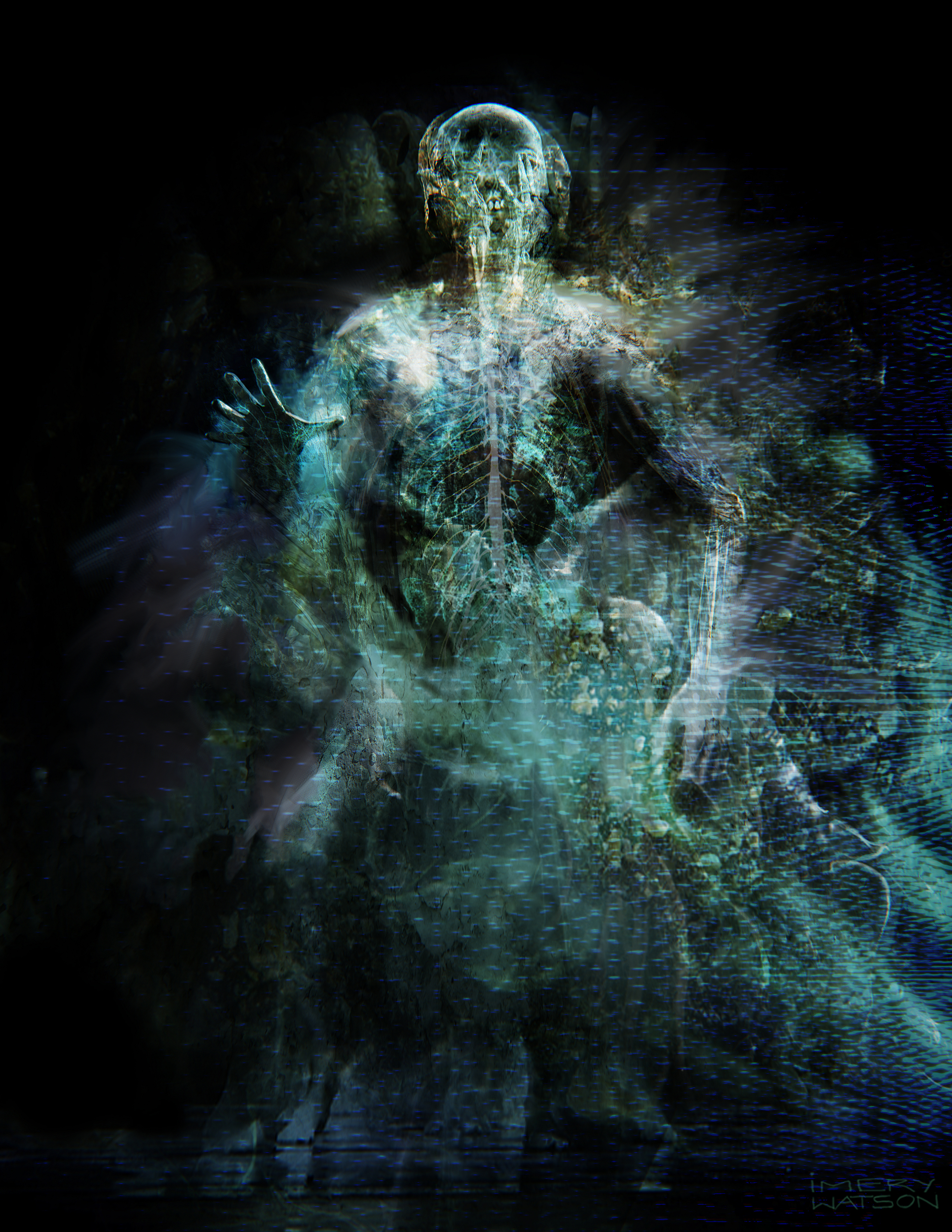
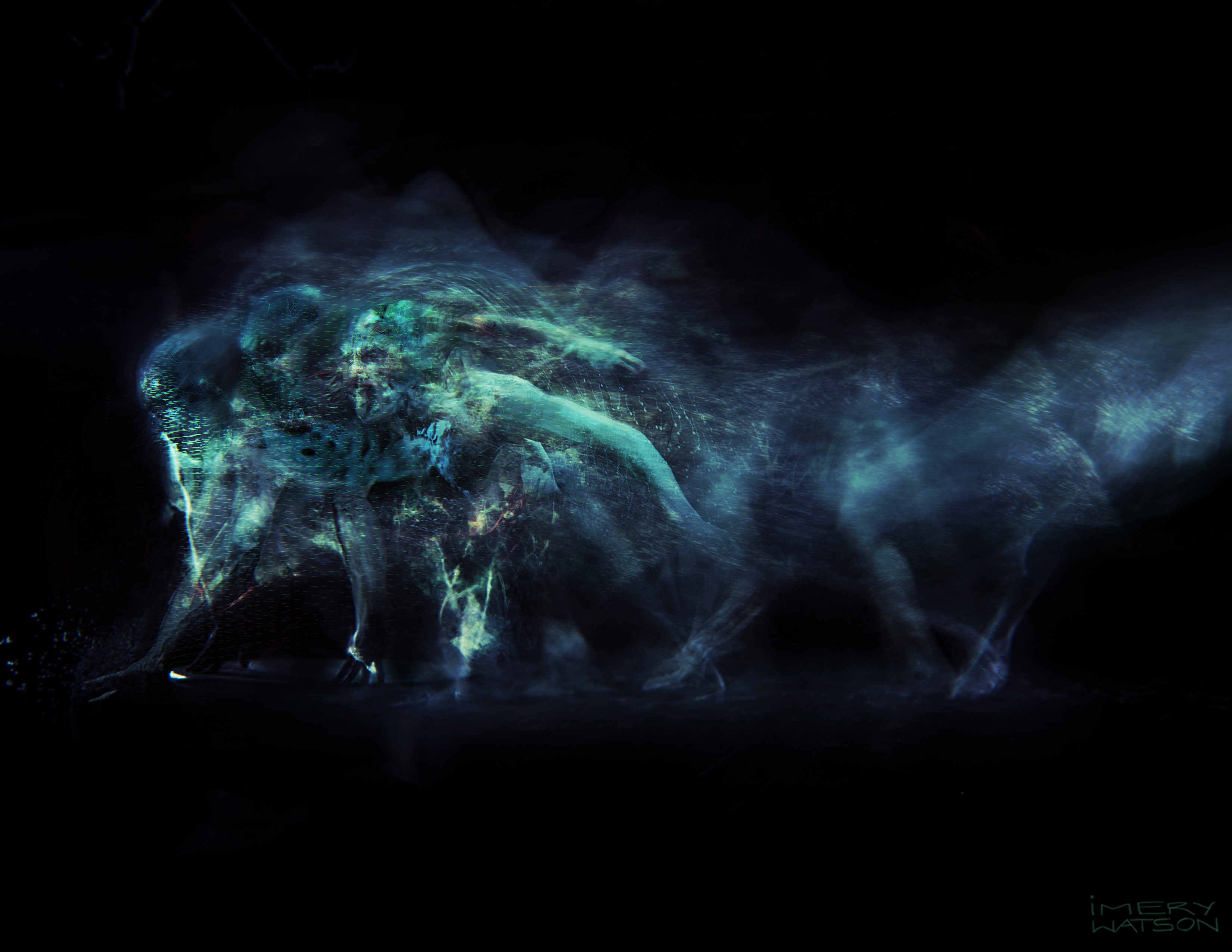
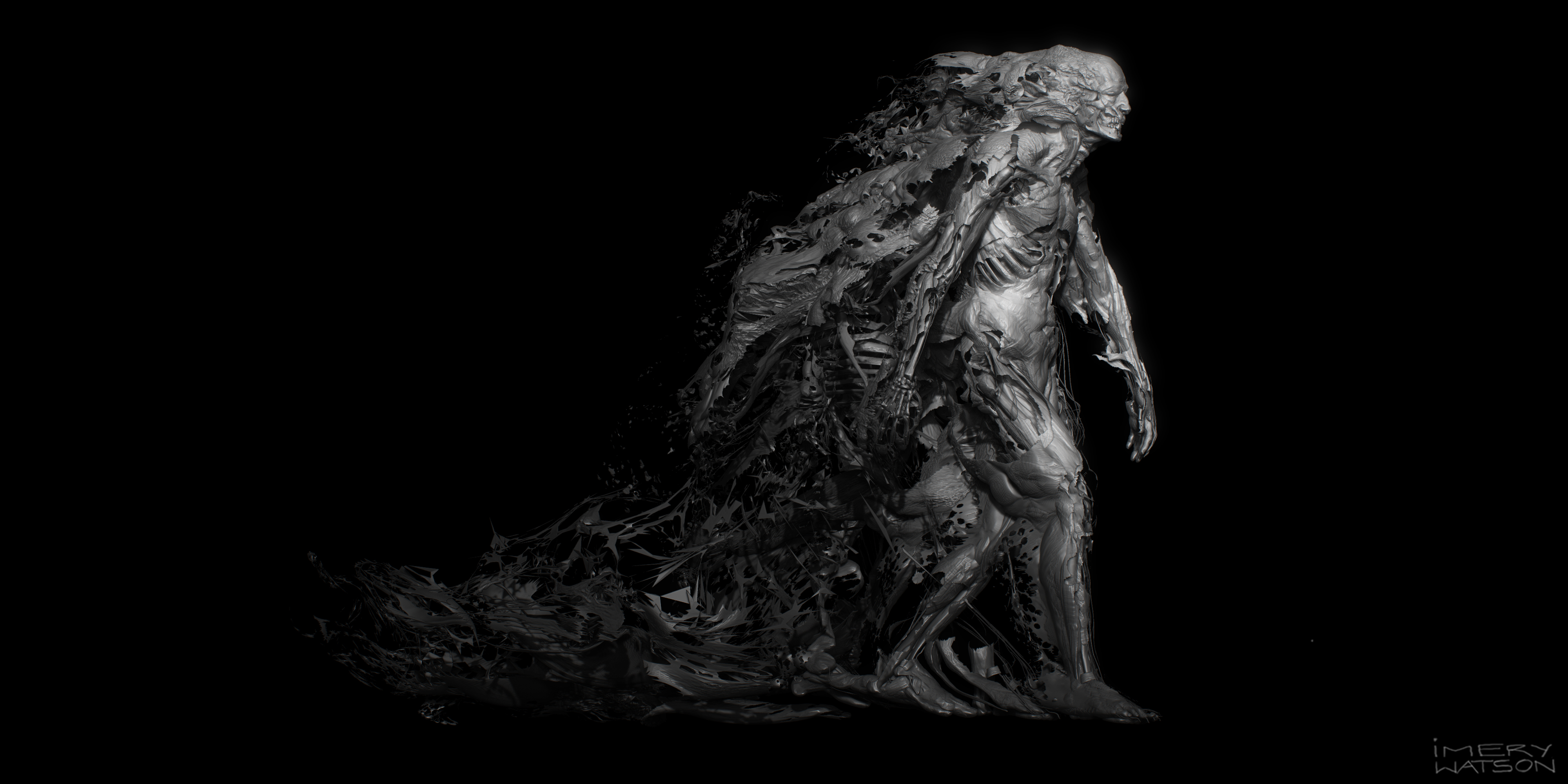
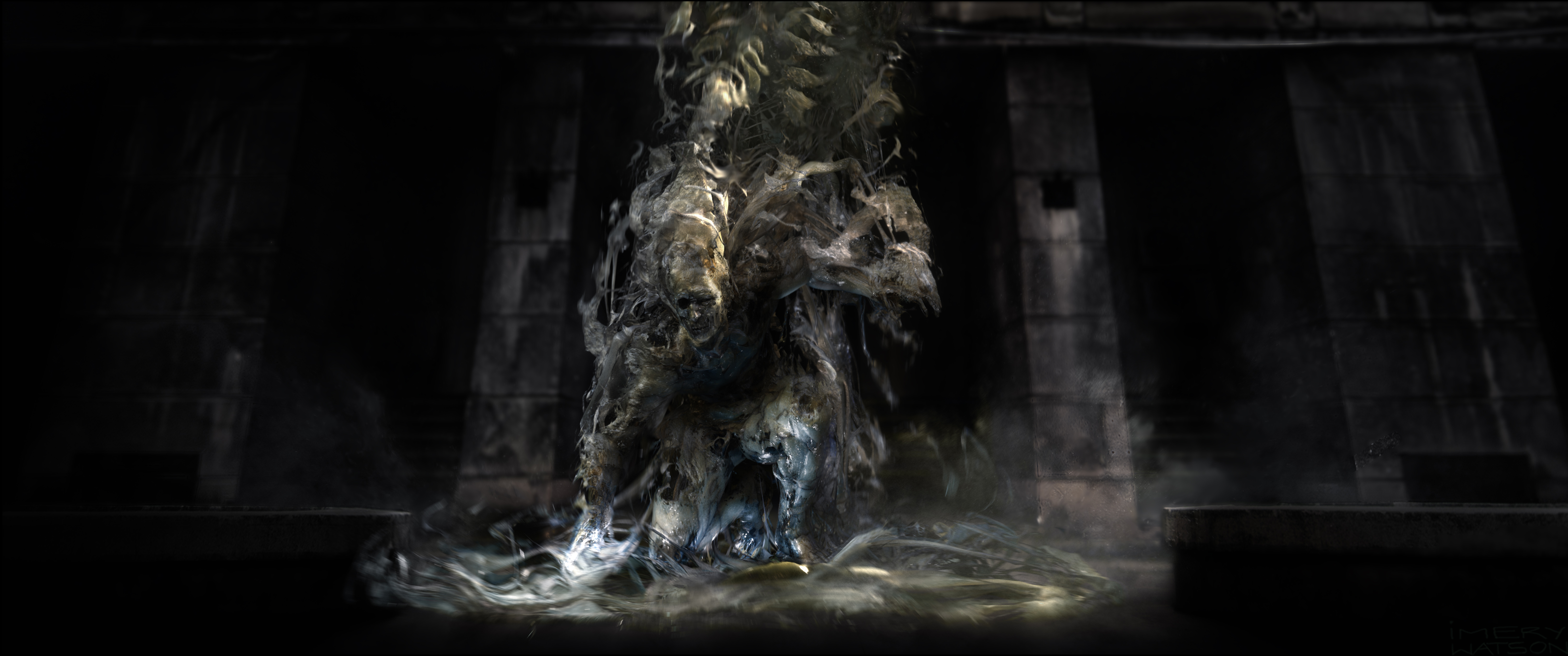
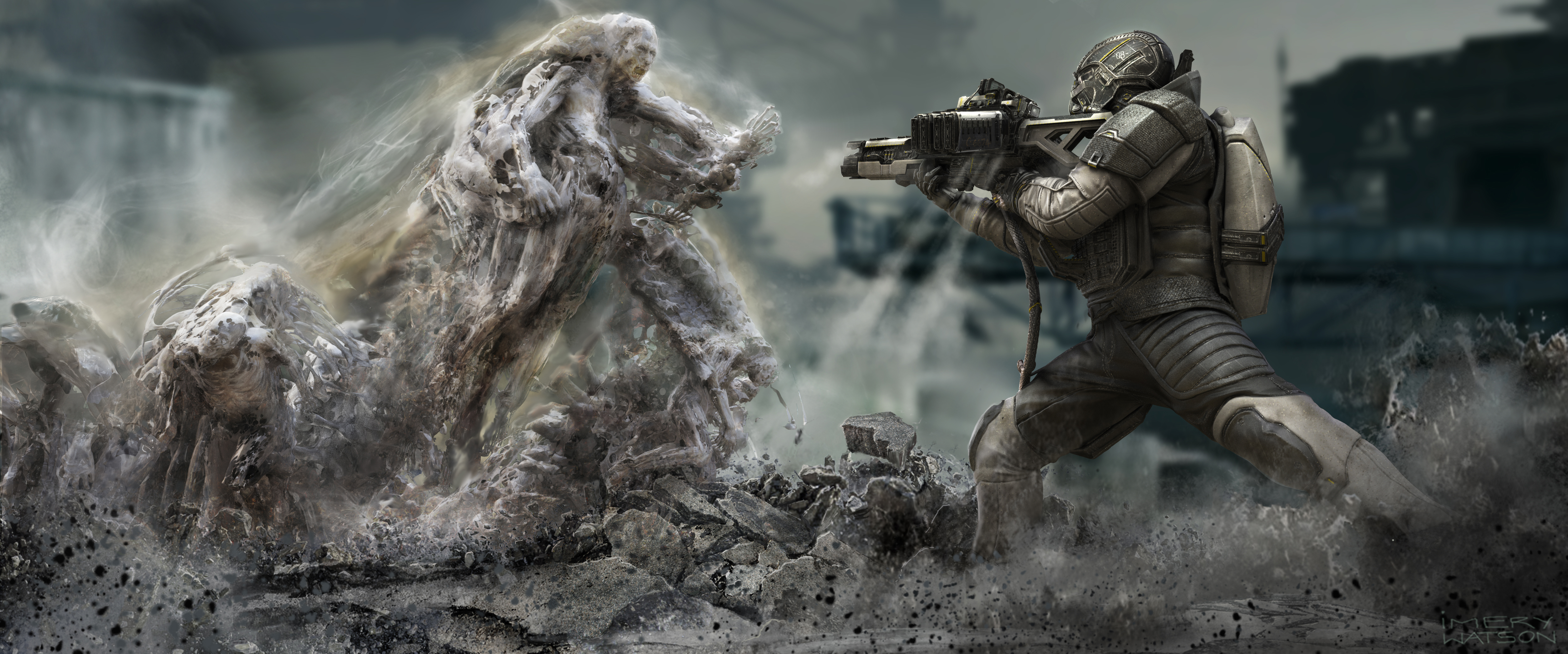
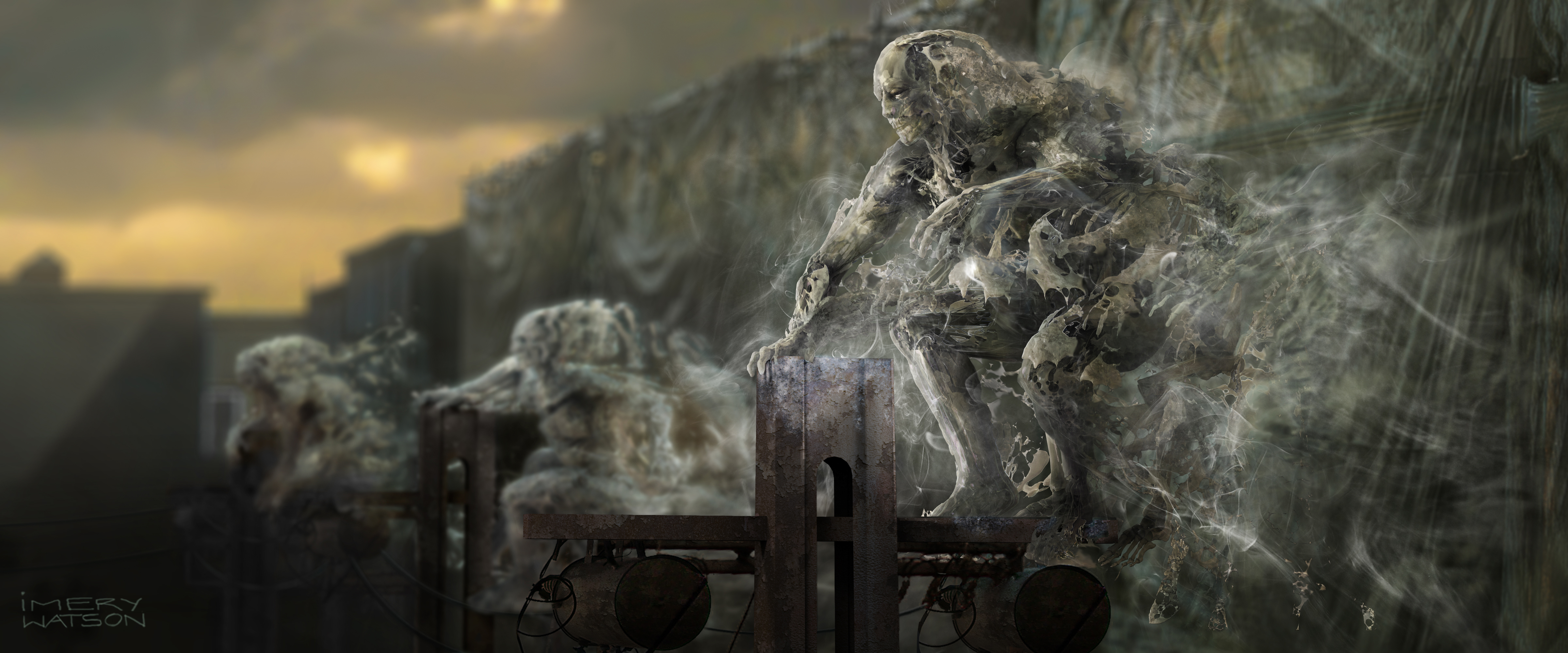
Netflix's Spectral presented a specific design problem: the antagonists are not monsters in the conventional sense. They are human beings in a different energy state — partially visible, leaving disintegrating trails, their appearance changing scene by scene while remaining recognisably the same system. The design had to encode its own narrative logic.

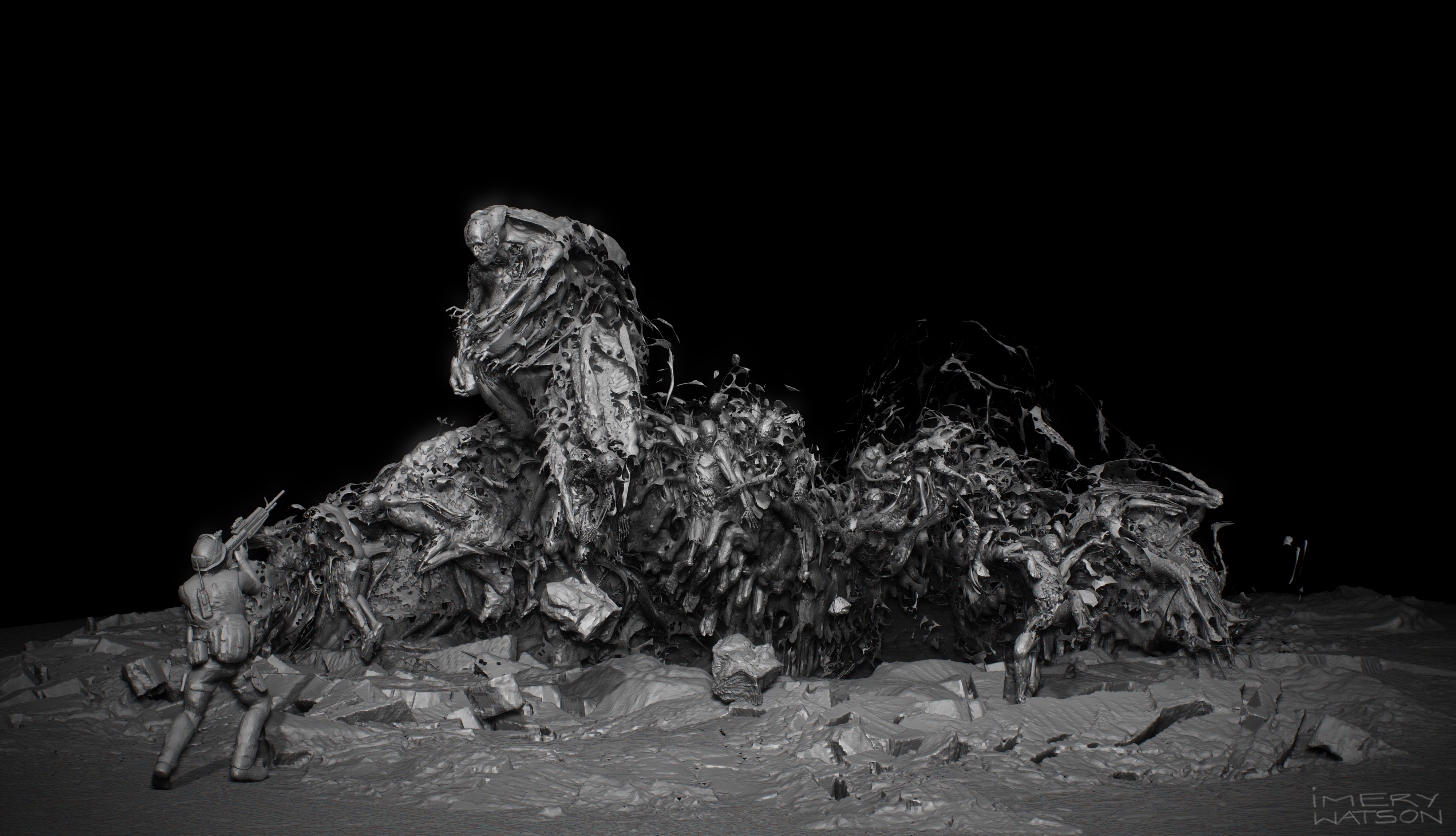
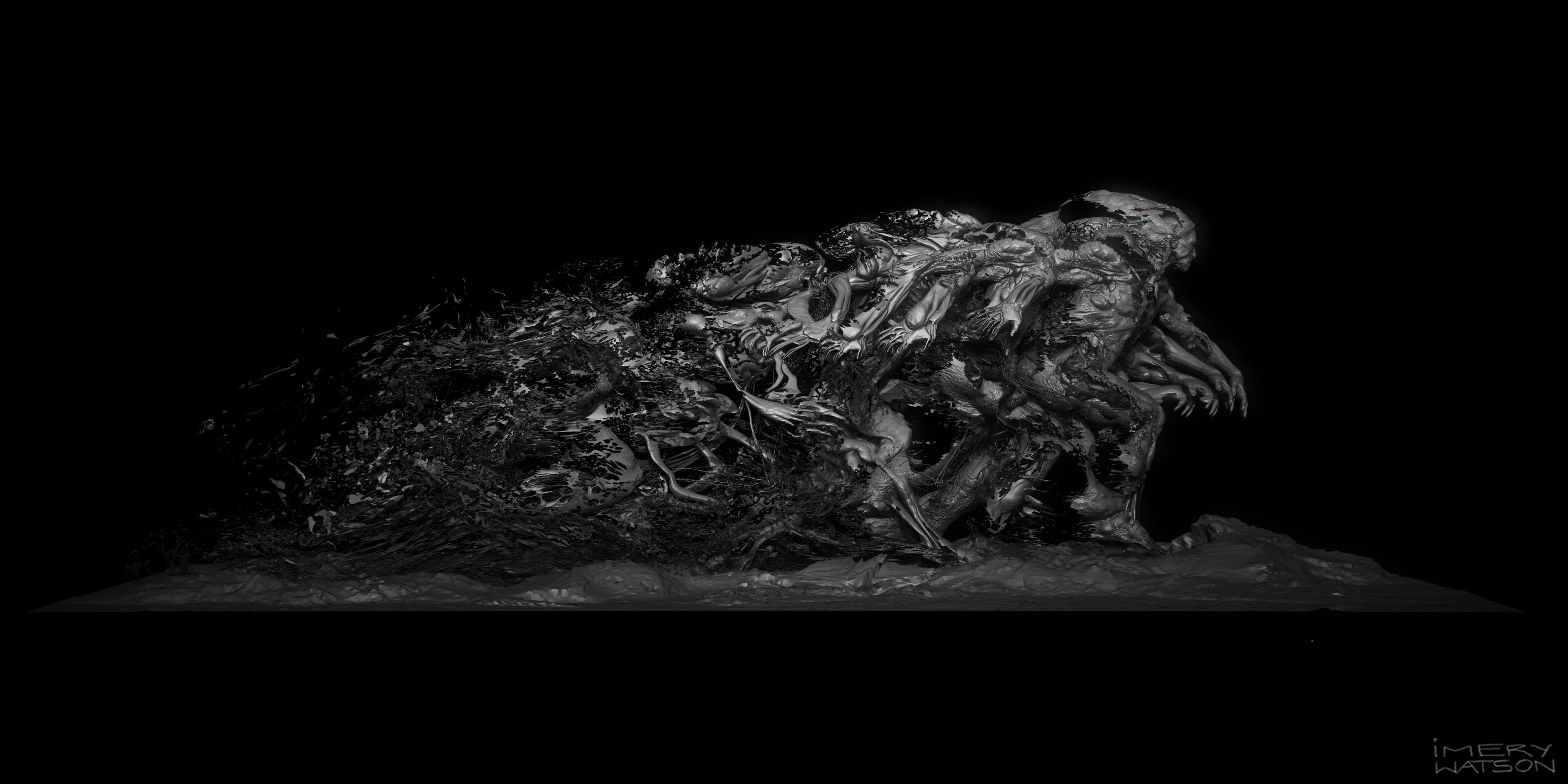
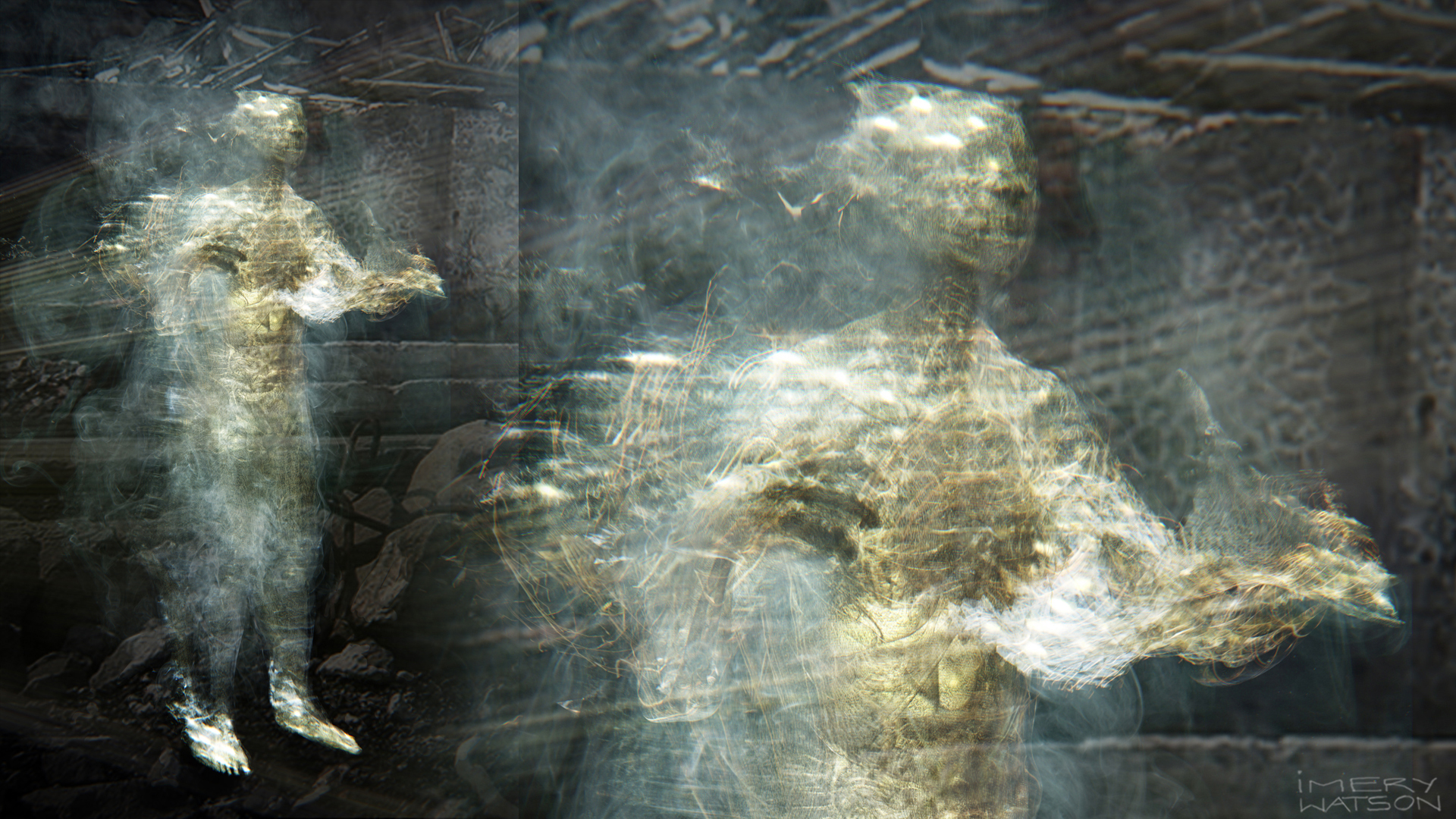
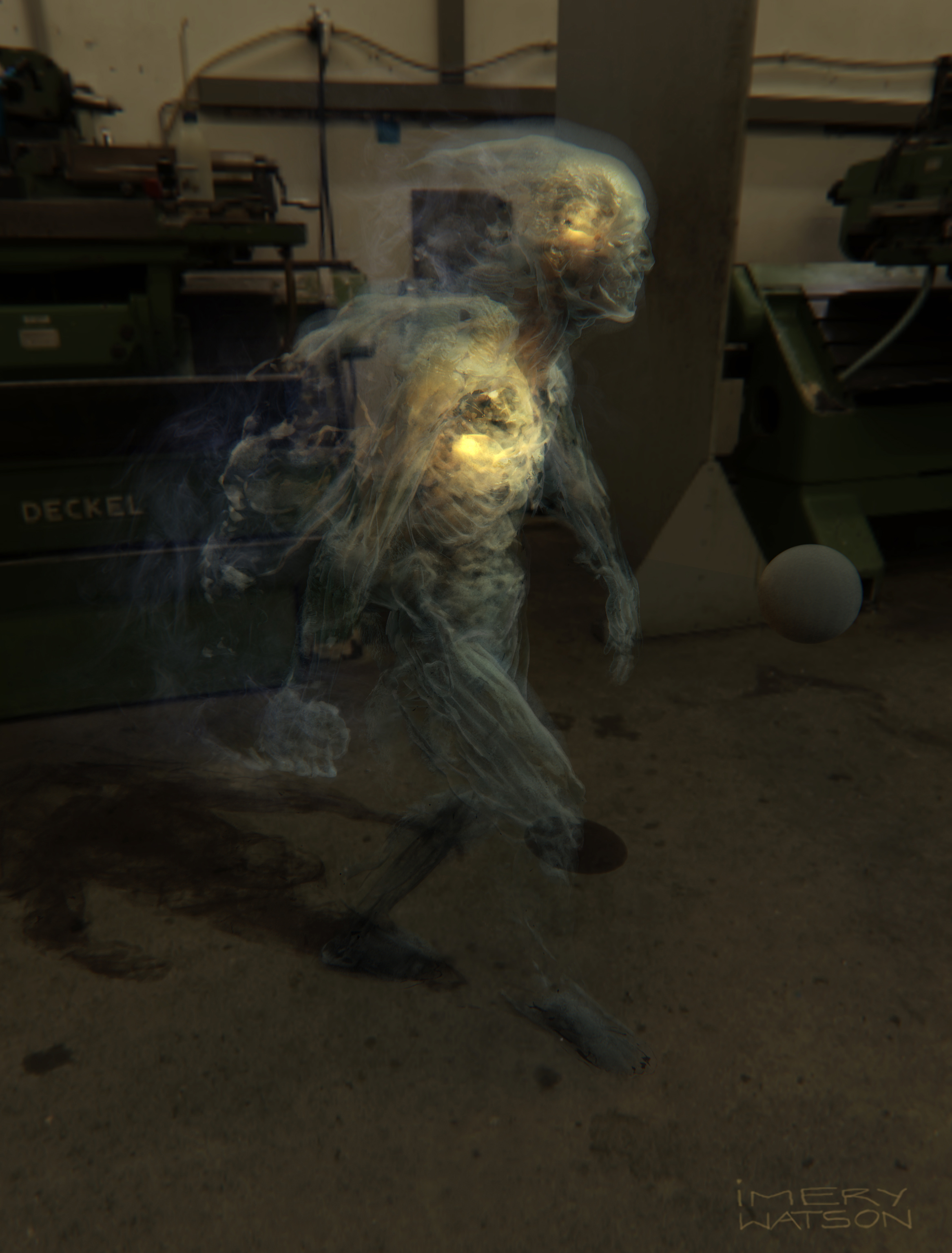
An additional constraint drove the visual language: the creatures are only visible through a device carried by the protagonists. The appearance had to simultaneously convey energy state and mediated perception — the fibrous, woven quality is not just aesthetic, it explains the mechanism by which they are seen. The design process moved from painted concepts establishing the effect language, through ZBrush sculpts that solved the form problem three-dimensionally, to scene-specific painted frames showing the system working across multiple contexts and creature types.

The fibrous quality is not aesthetic. It explains the mechanism by which they are seen.
Early development — creature in corridor, establishing scale and the visibility effect
Character study — the energy state logic, interior structure visible through the fibrous exterior
Animal form — proving the effect system works across different body types
Walking sculpt — the design breakthrough, solving the trail logic in three dimensions
Rage sculpt with soldier — scale, mass, and the fused-bodies logic of the creature system
Running sculpt — the effect at speed, energy state expressed through motion
Material study — two states side by side, the device-mediated perception logic
Volume study — in-environment, the creature integrated into a real-world industrial space
Landing — materialisation as an event, the effect system as narrative moment
Battle — creature vs soldier, the final design integrated with production elements
Powerline — the system at scale, multiple creatures across depth, the design language working without action to explain it
03 — The Rings of Power
Khazad-dûm — a civilisation expressed through stone, fire, and the organisation of commerce.

The Rings of Power required working within one of the most rigorously defined fantasy worlds in literature — Tolkien's Middle-earth — while producing something new enough to justify a billion-dollar production. The brief was specific: flesh out environments and scenes to reflect the narrative. Every image made in service of what needs to happen in that space.

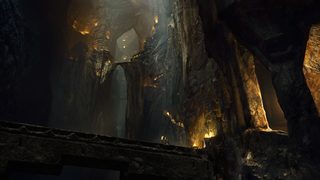
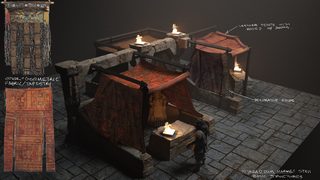
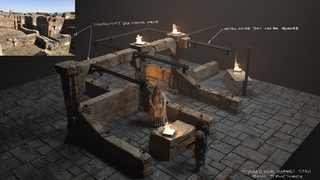
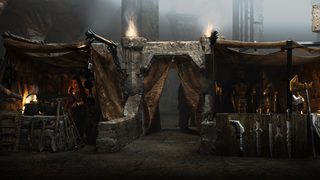
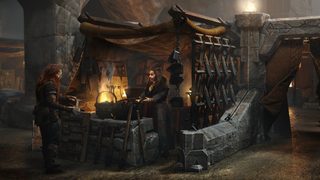
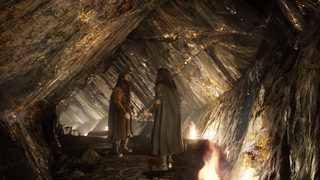
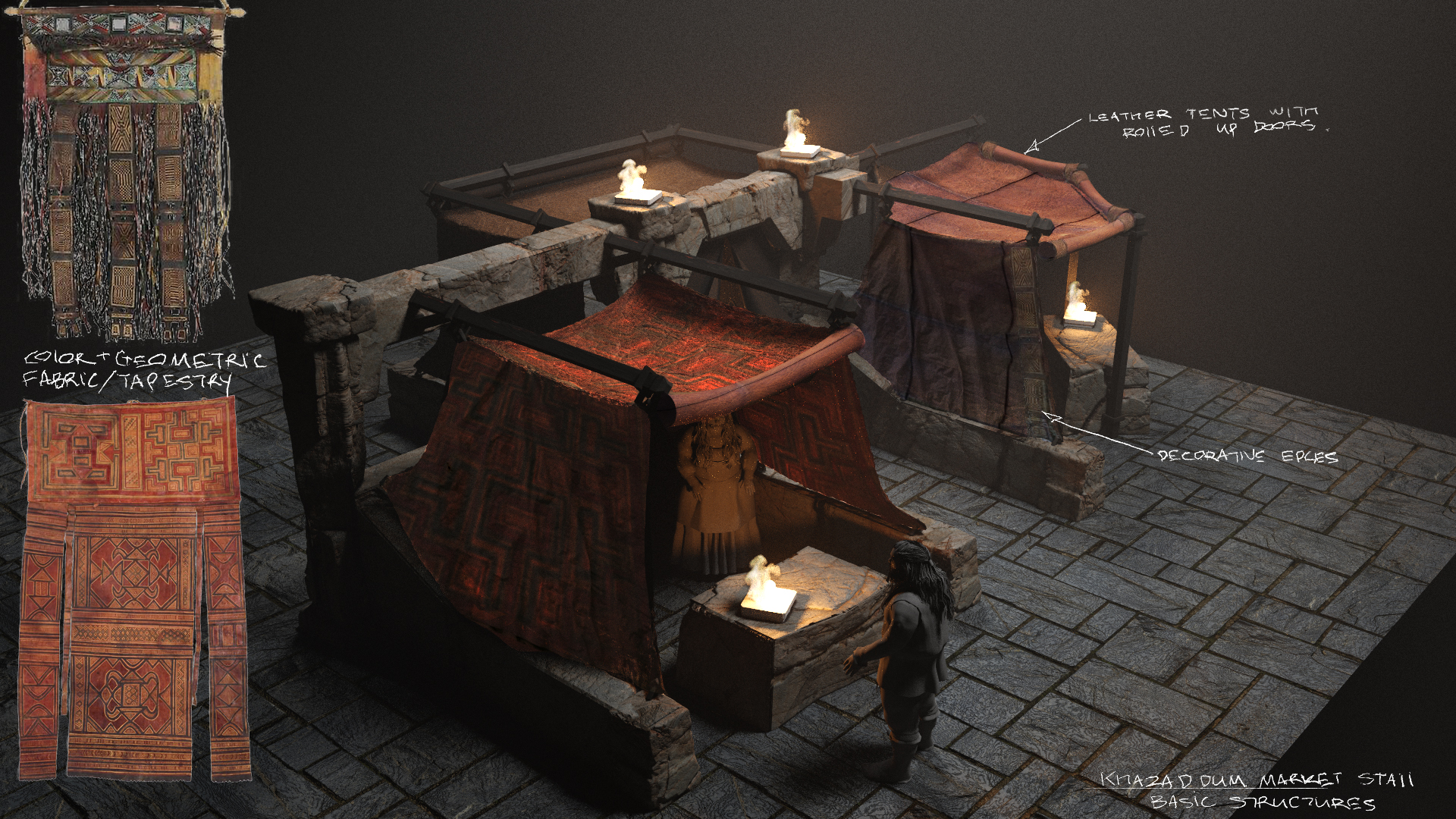
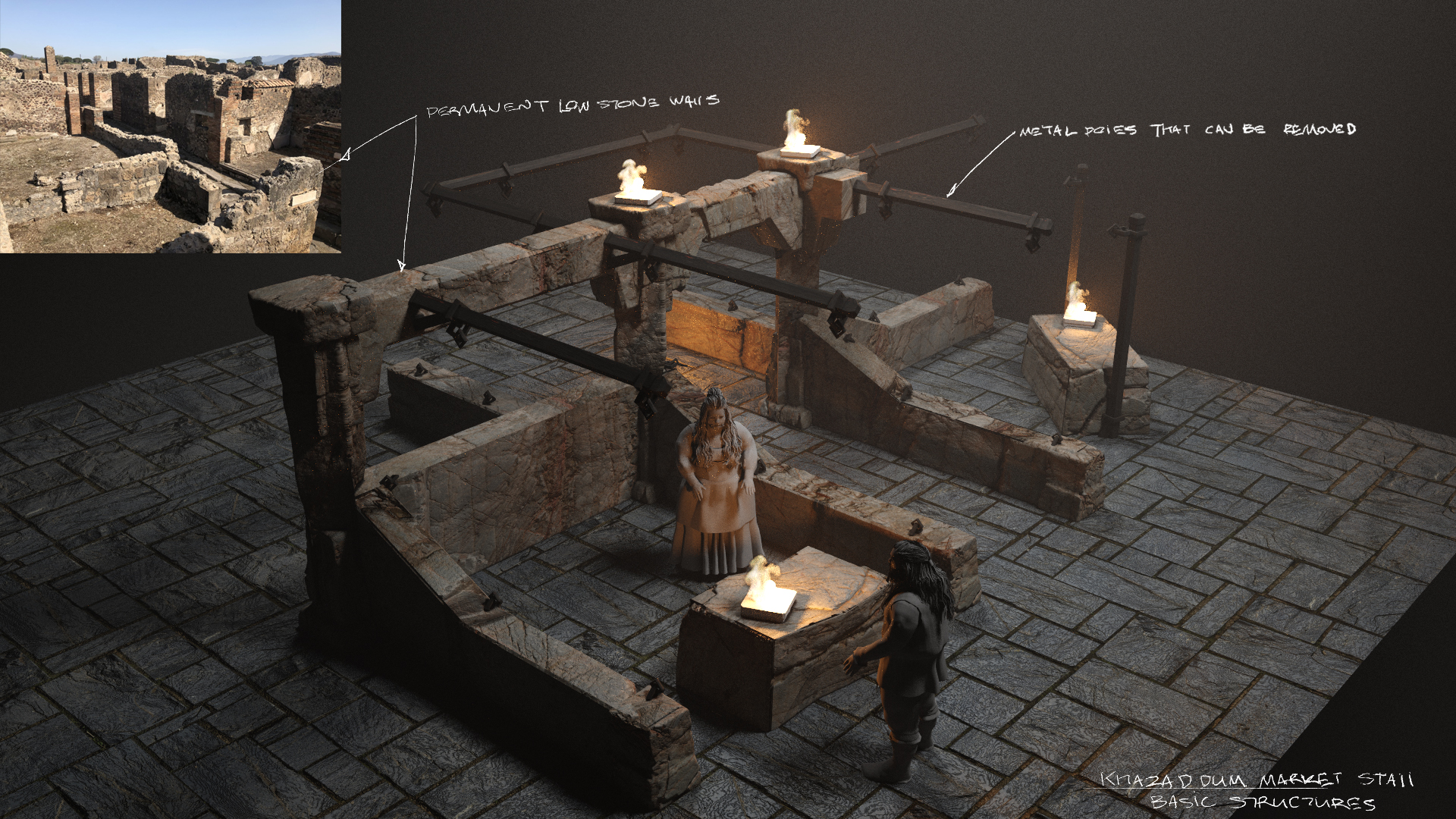
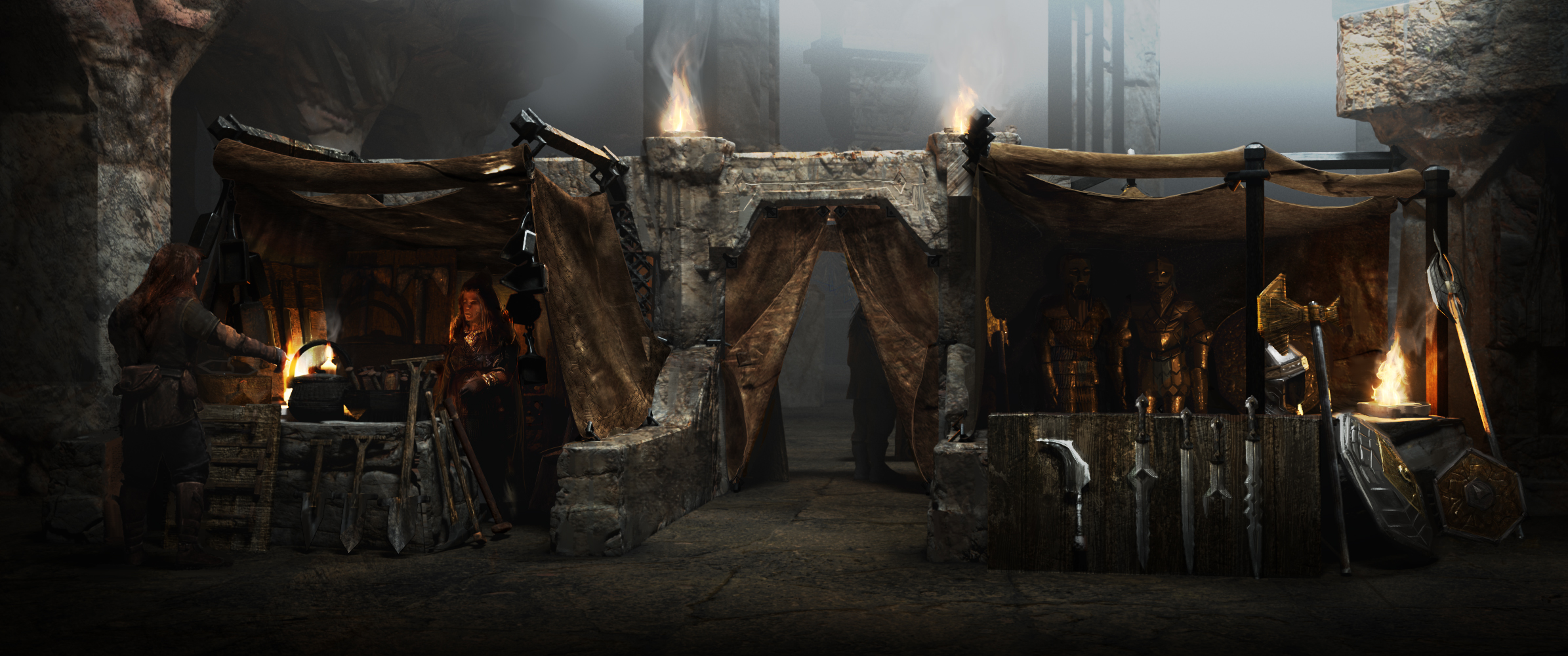
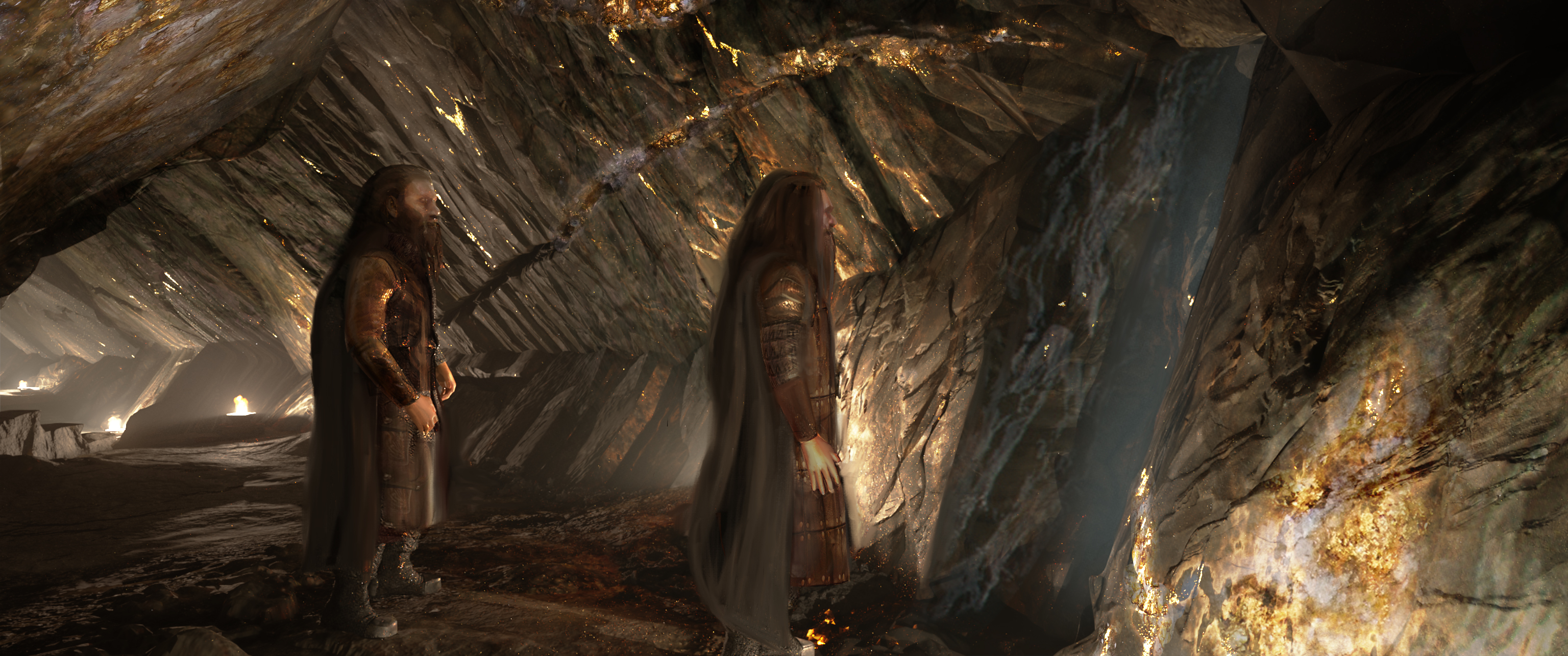
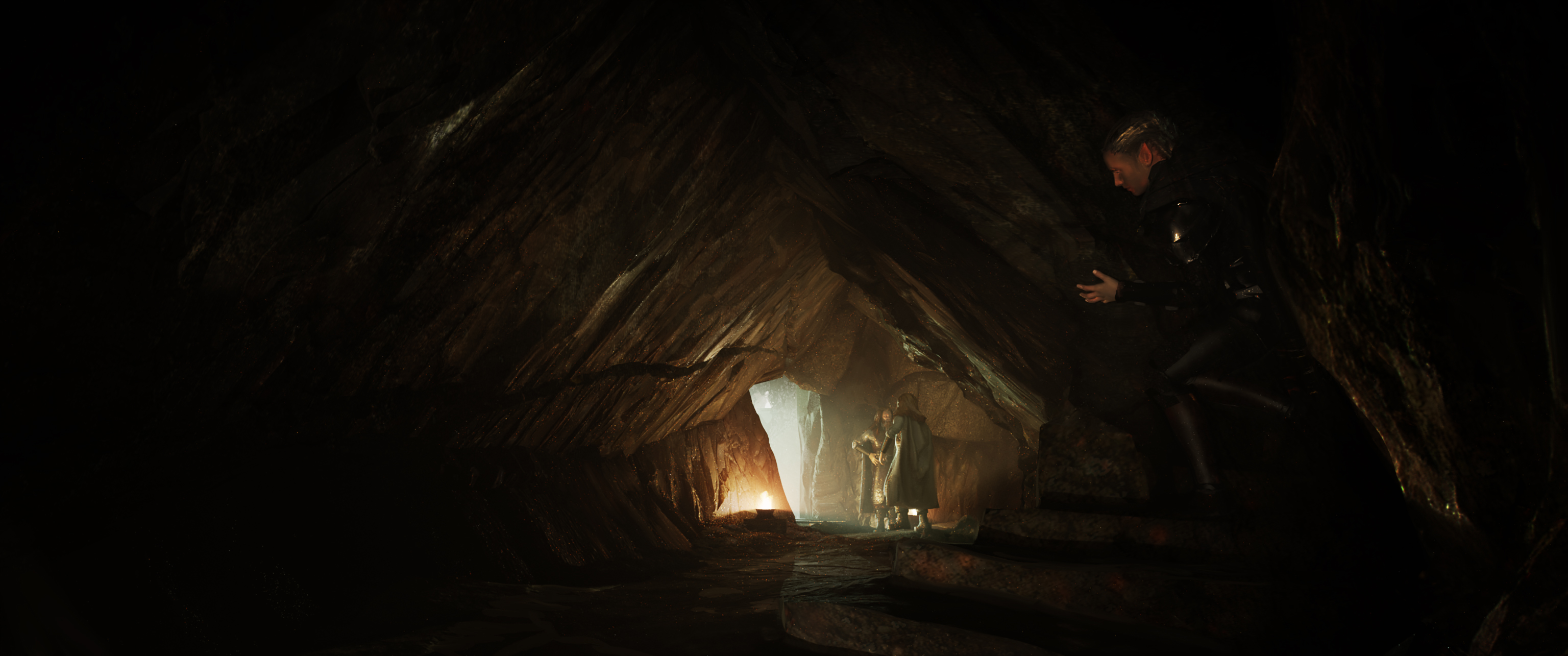
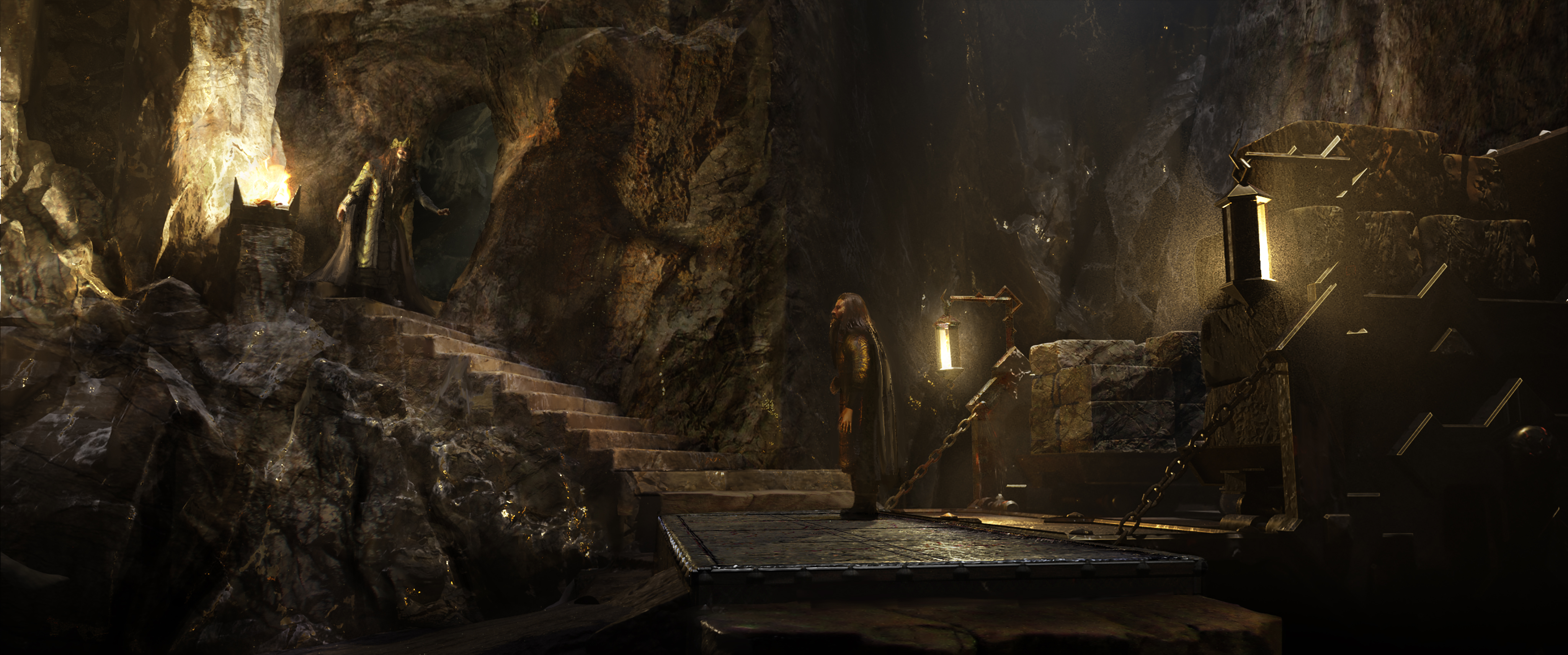
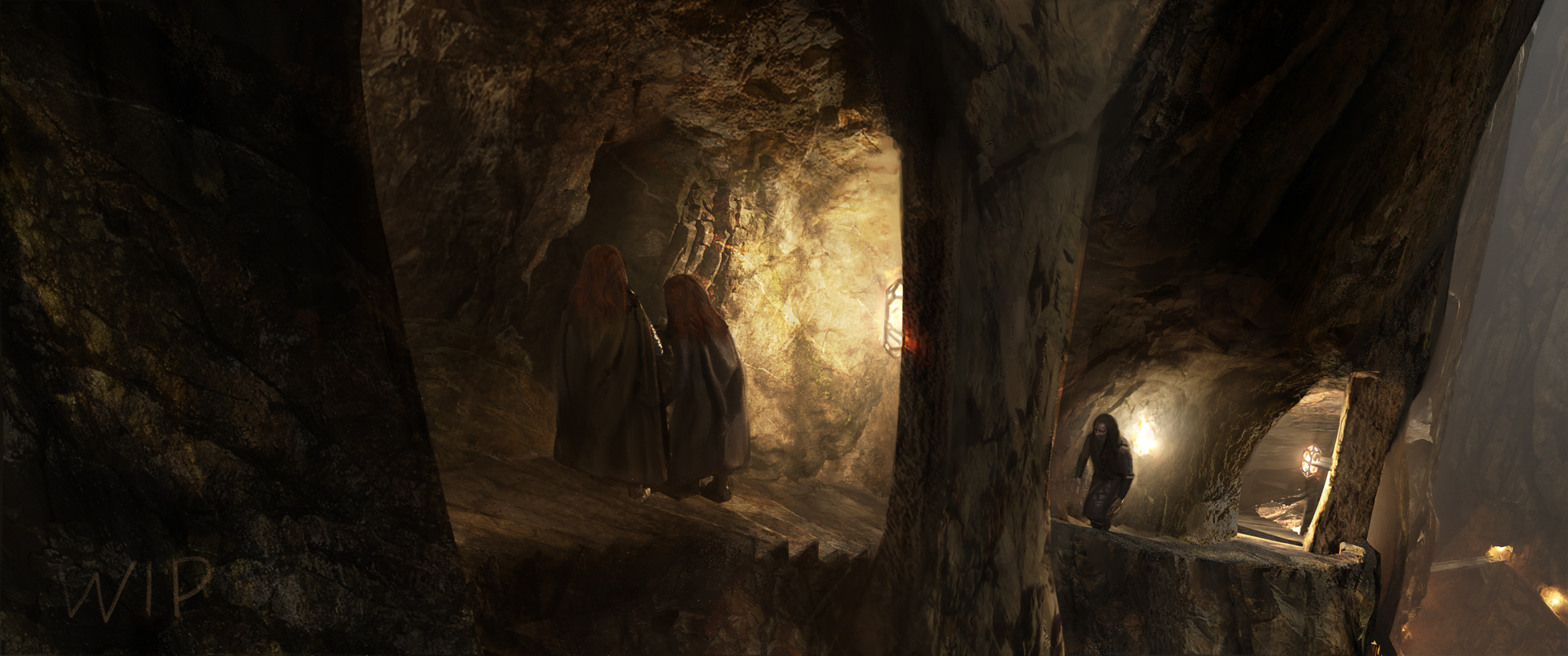
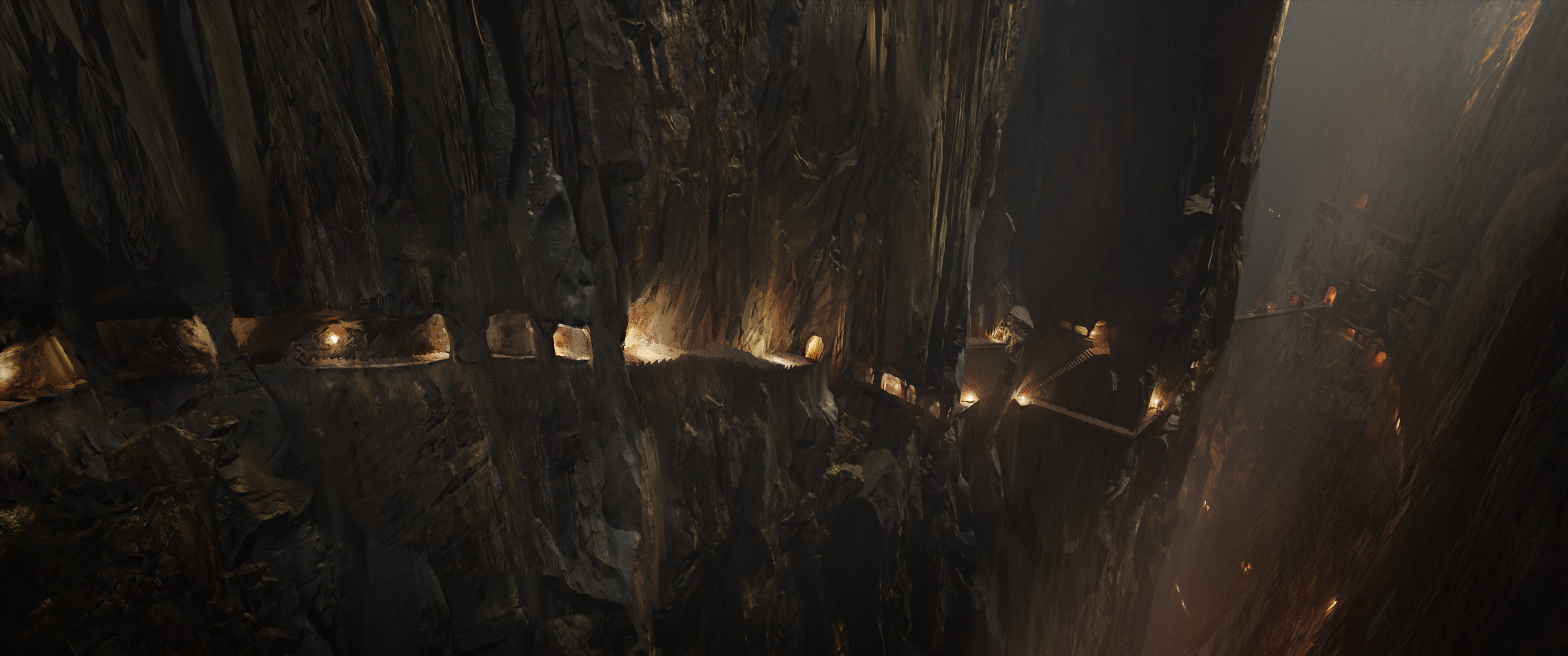
The Khazad-dûm work spanned multiple location types — market stalls establishing the social and commercial life of the dwarven city, the mithril passages and hidden doors that carry the production's central narrative mystery, and the vast chasm spaces that communicate the scale and ambition of a civilisation at its peak. The annotated structural development work shows the production design thinking behind the final environments.

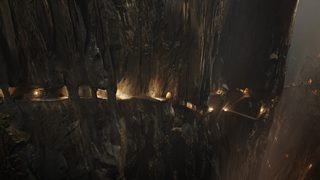
Khazad-dûm chasm — the scale of a civilisation at its height, firelight in the deep
Market stall development — annotated structural study, permanent stone walls and removable metal poles
Market stall with fabric — leather tents and decorative edges, the material language of dwarven commerce
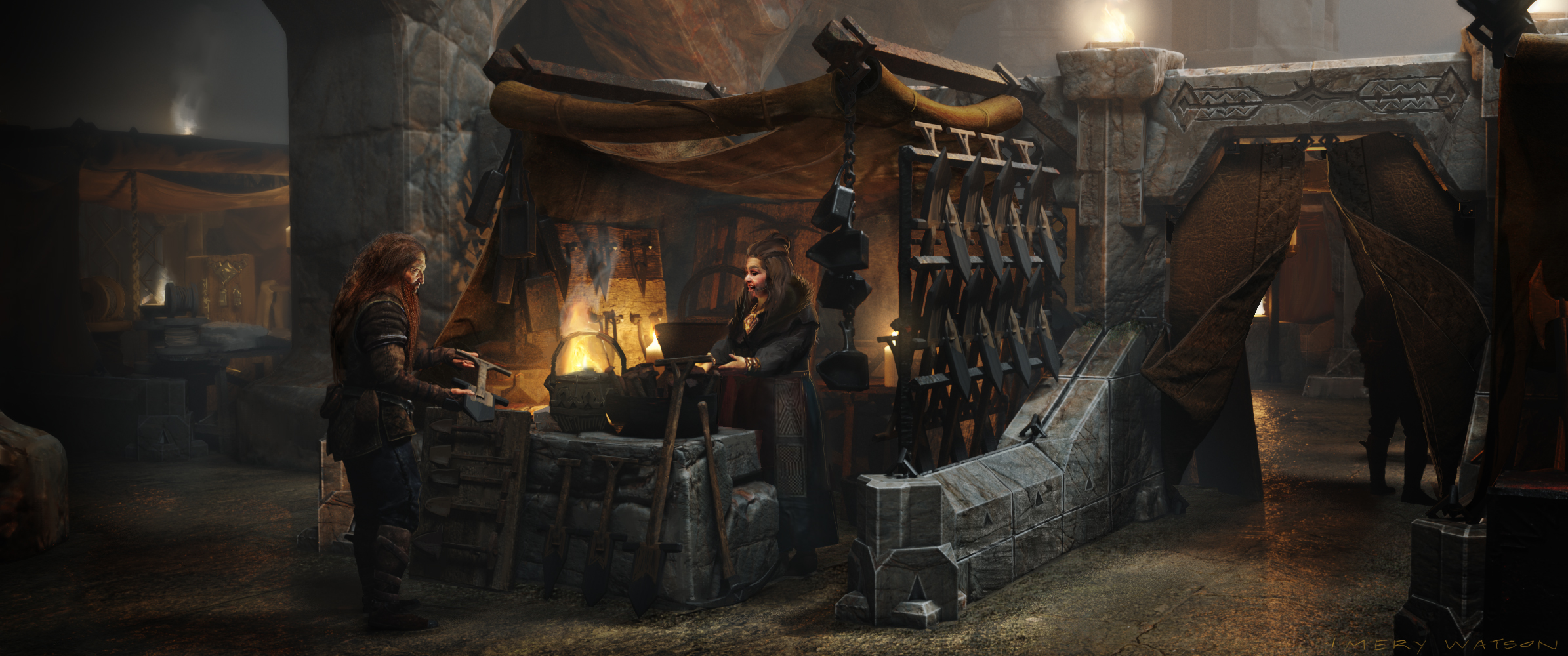
Tool shop — dressed final look, the stall system working at character scale
Shovel shop vignette — atmosphere and lighting, firelight as the primary design element
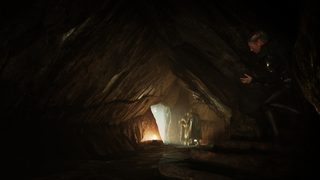
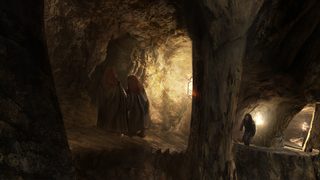
Winding tunnel — mithril-veined walls, the hidden door sequence
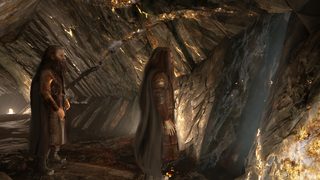
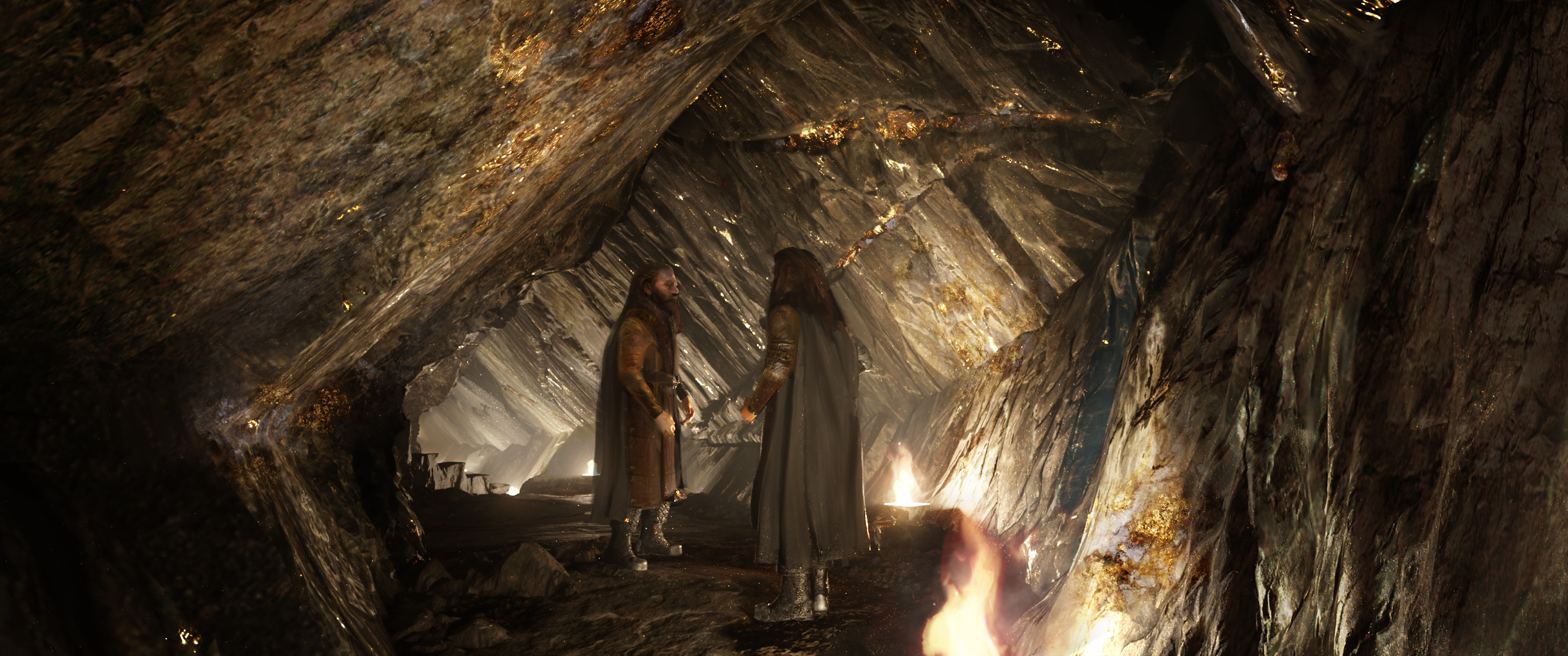
Hidden passage — characters discovering the secret route, gold seams in the rock as narrative lighting
Tunnel approach — the hidden door from distance, characters dwarfed by the mountain
Door open — the mithril passage revealed, light as narrative device
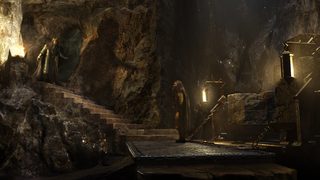
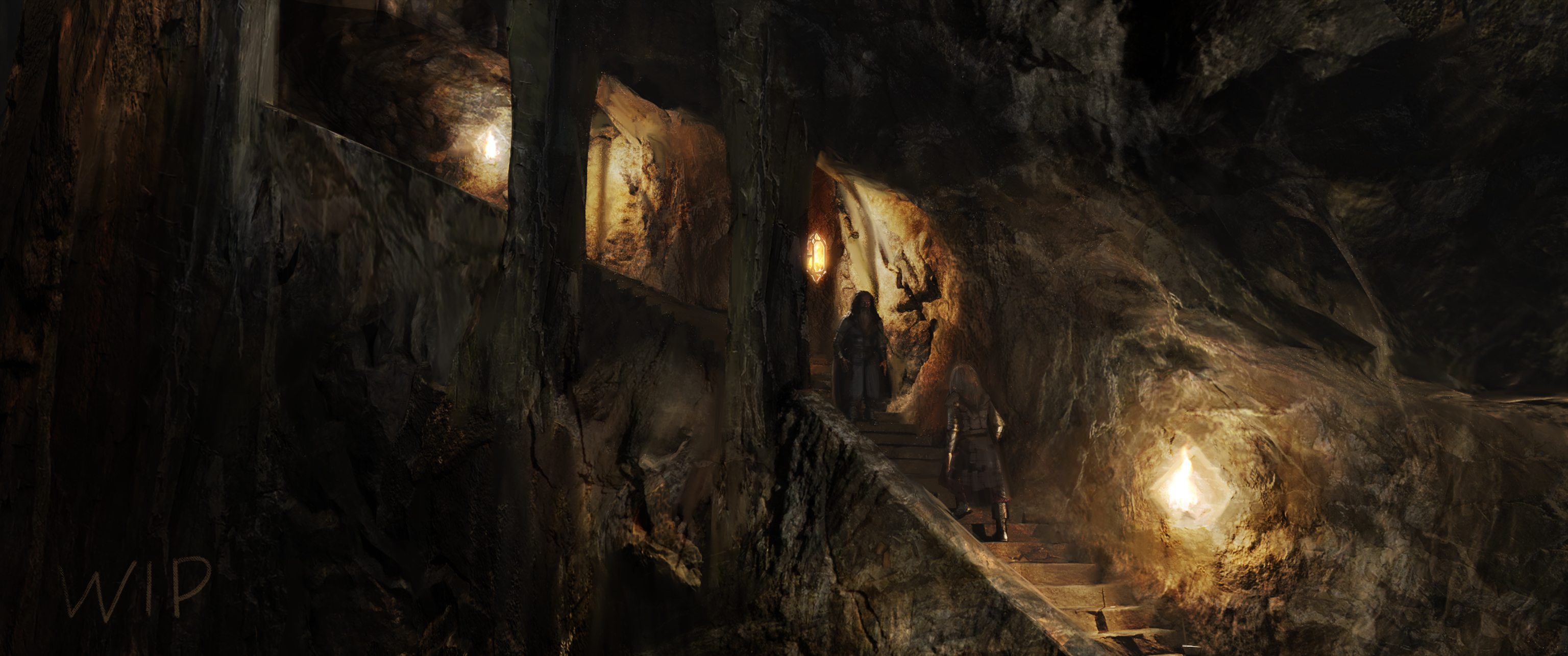
Endless stairs cam 2 — vertiginous depth, the city built into the living rock
Endless stairs cam 3 — the chasm system, scale established through tiny figures
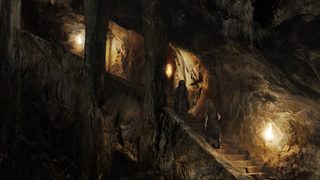
Endless stairs cam 1 — WIP, the staircase threading through cave formations
All images
Previous
Pitch Art
Next Project
VFX Concept & Matte Painting