VFX concept art serves three audiences simultaneously — editorial, production, and vendors
Once a production has shot its plates, VFX concept art serves a specific and often misunderstood function. It is not about making beautiful images — it is about making the gap between what was shot and what needs to be built legible to three different audiences at once: editorial needs to understand what the final frame will look like; production needs to cost the work; VFX vendors need to understand what they are being asked to build and where the technical challenges lie.
A VFX concept frame identifies problems before they become expensive. It asks: where does the plate end and the extension begin? What needs to be built in CG versus painted? What are the continuity requirements across multiple shots? What lighting conditions need to be matched? Getting these questions answered in concept saves significant cost in production.
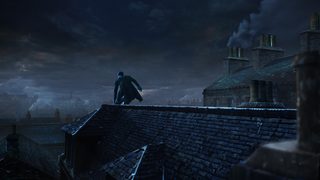
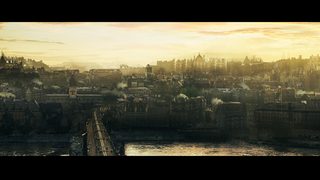
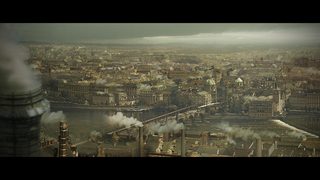
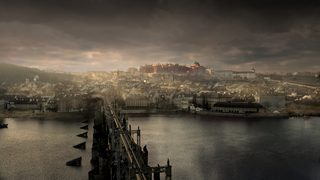
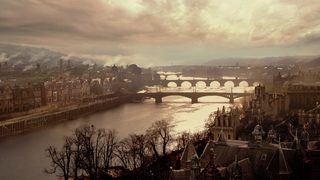
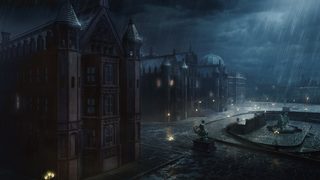
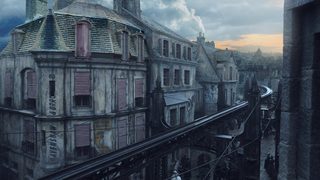
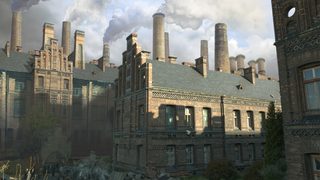
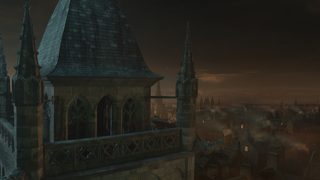
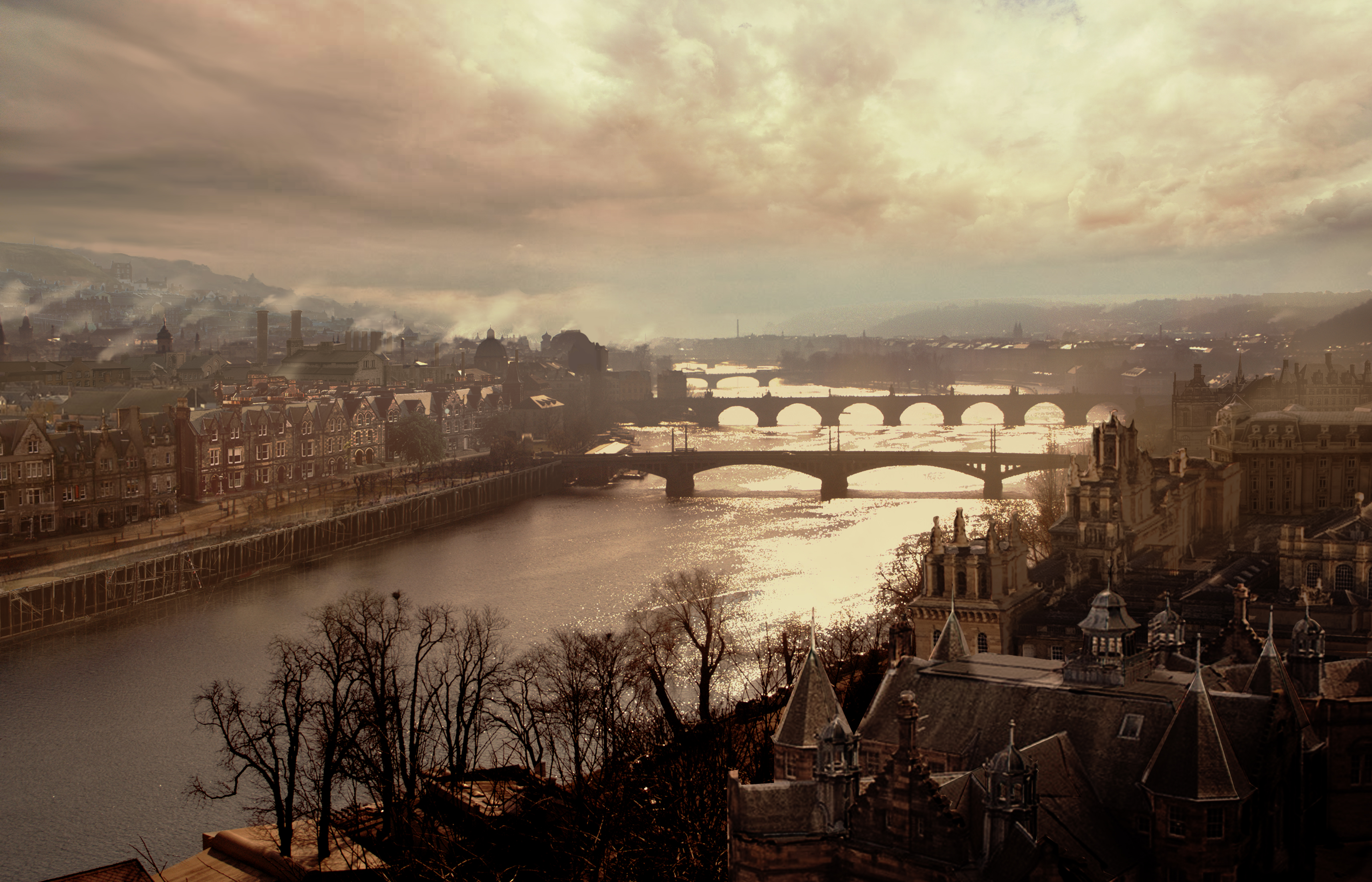
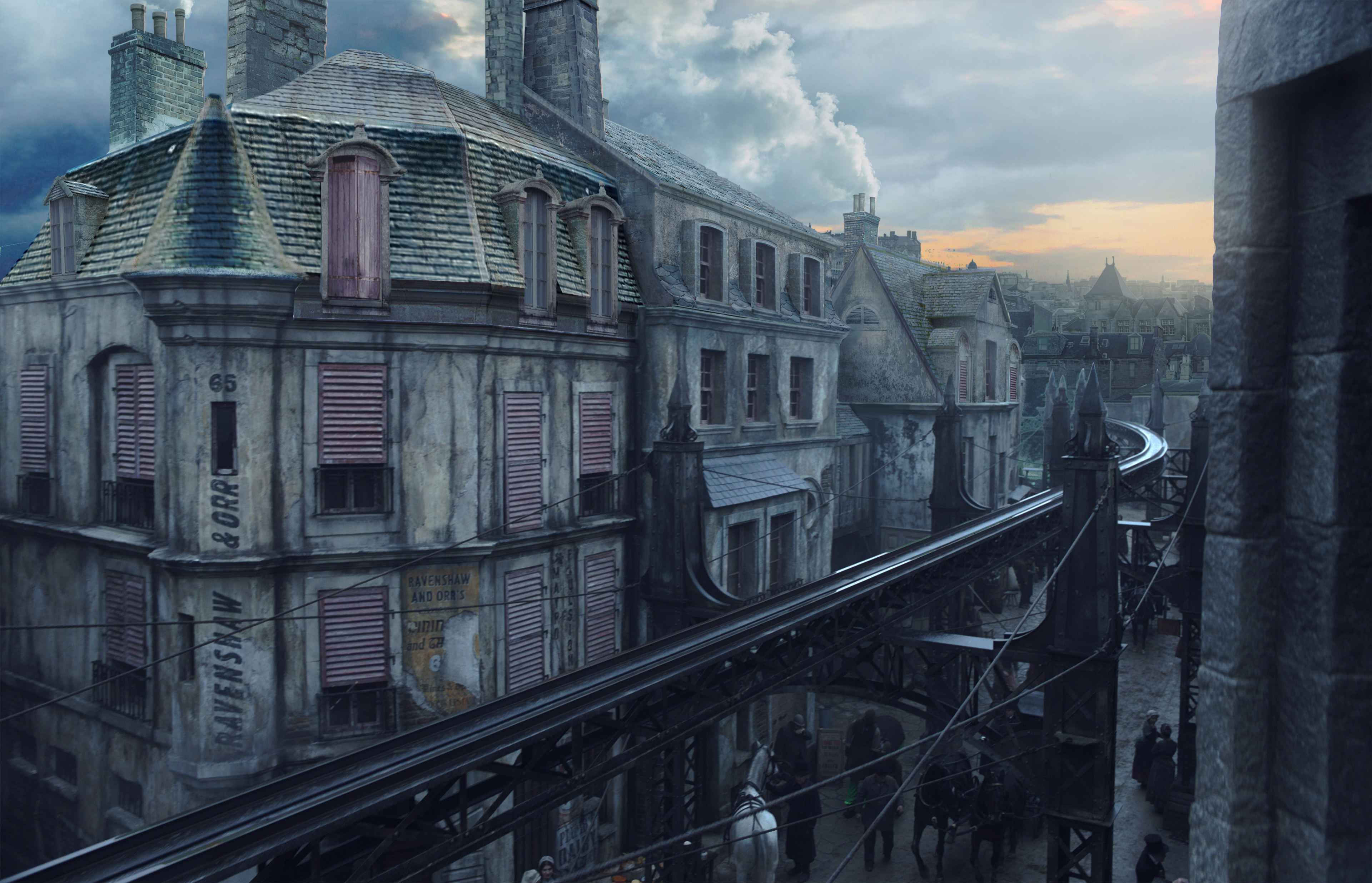
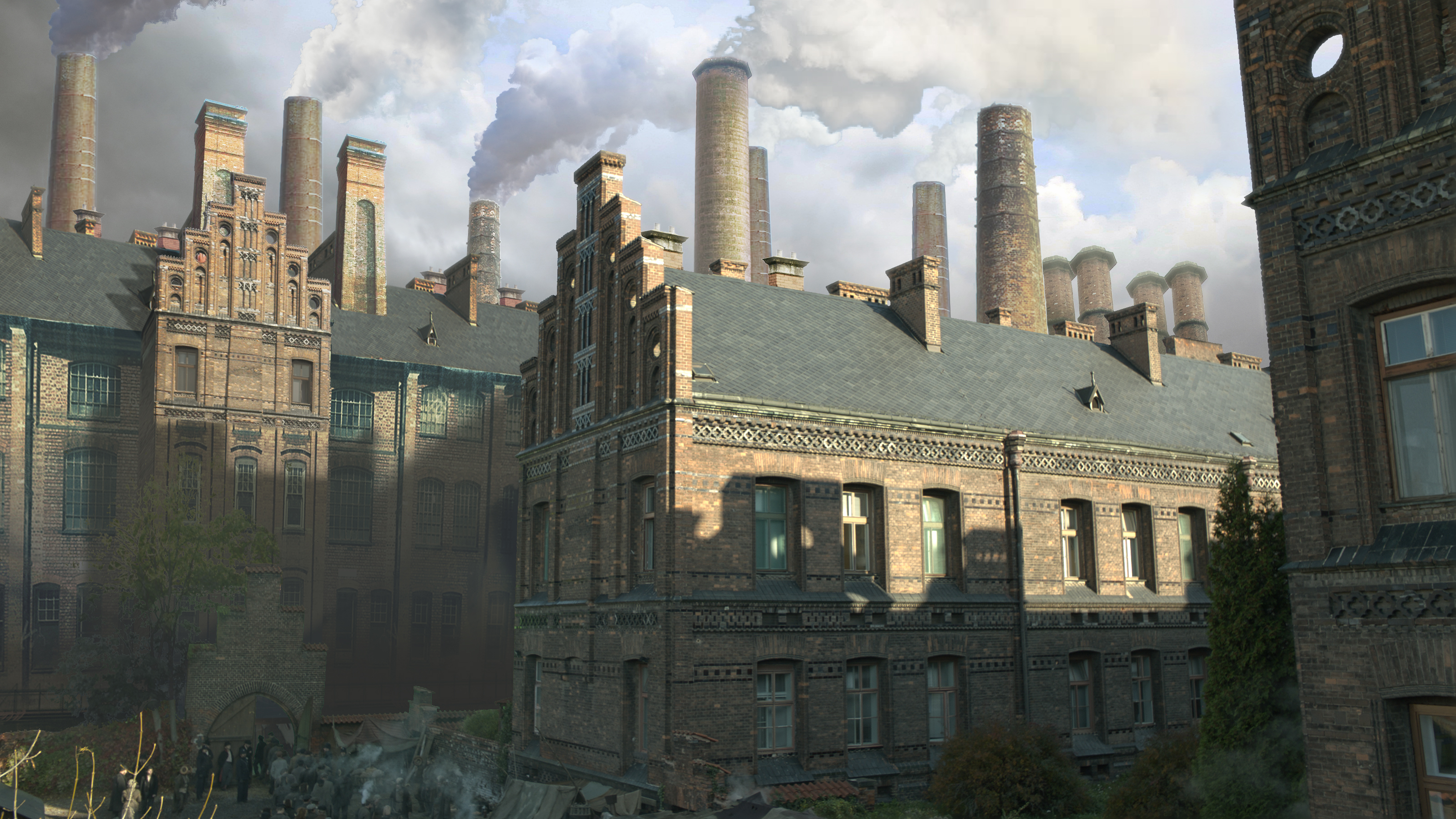
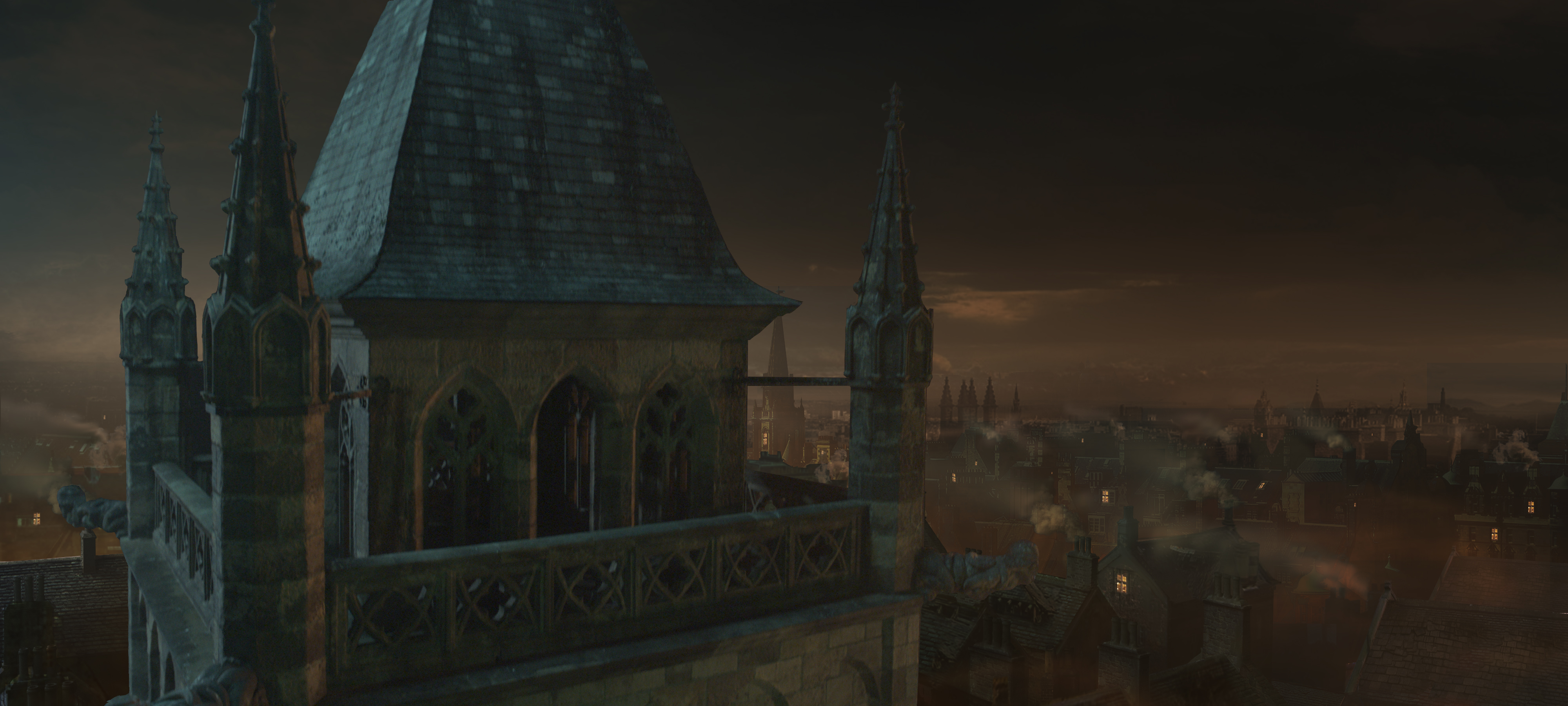
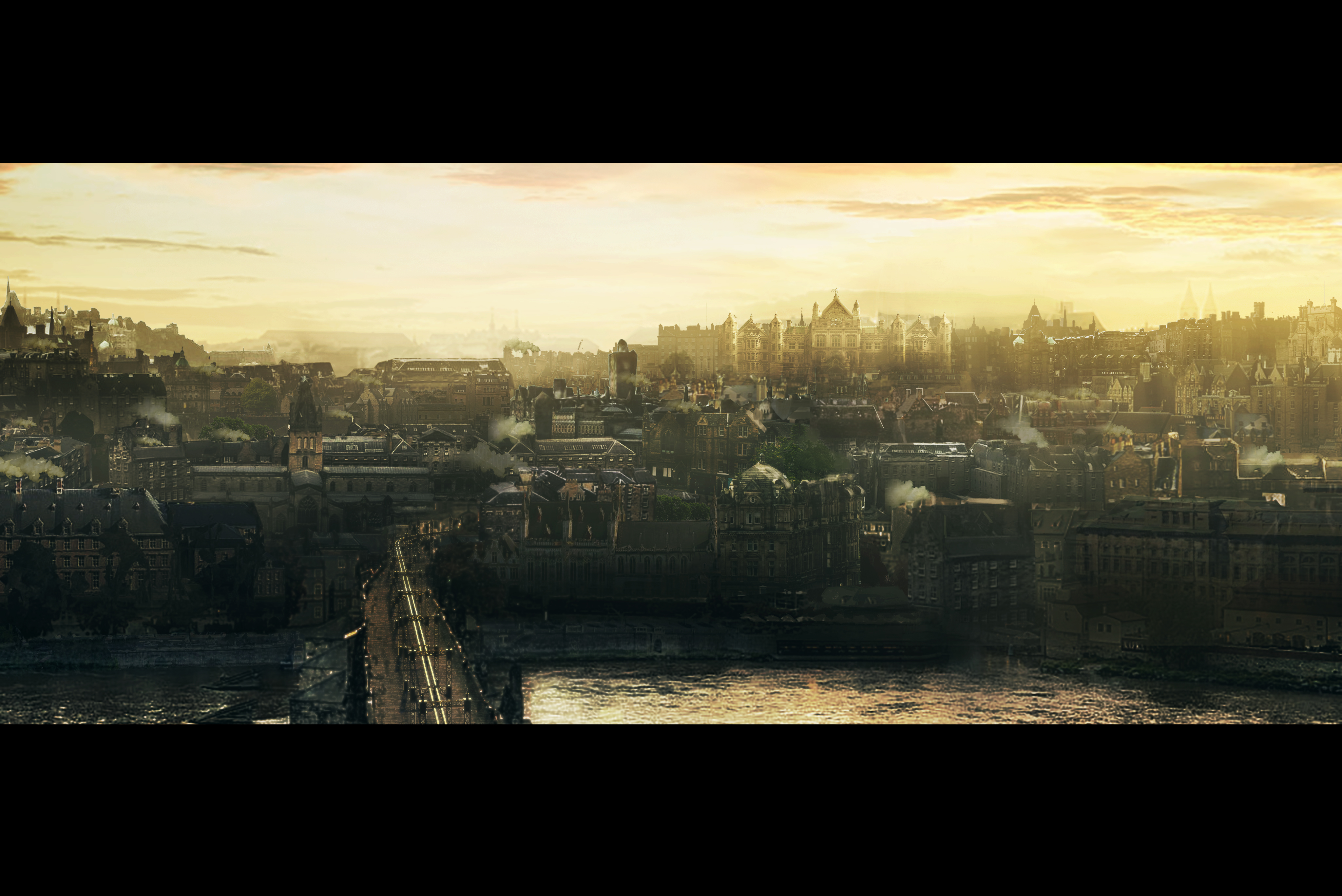
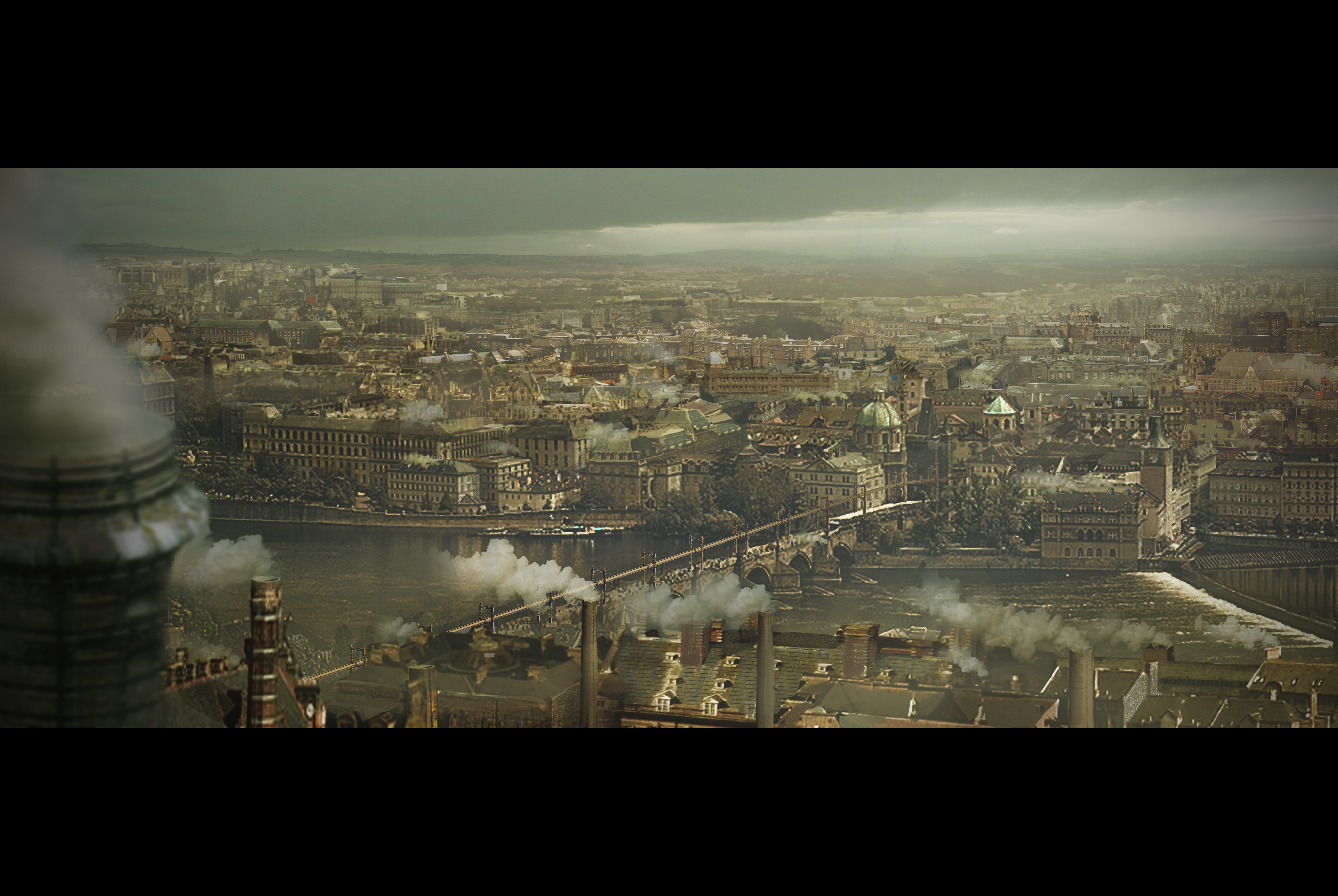
Carnival Row (Amazon/Legendary TV) required the construction of a complete Victorian fantasy city — The Burgue — whose visual identity was established through VFX concept art before a single CG asset was built. The production shot plates in Prague, whose architecture formed the spatial foundation. Edinburgh provided the civic and Gothic architectural character. Bruges contributed the canal geometry and urban grain. The brief was to blend these three cities into something that felt coherent, lived-in, and fictional.
The work spanned establishing shots defining the city's overall character, close-environment concepts establishing the street-level texture of specific districts, and action-sequence frames for specific episodes. Each frame had to work as a production document as well as an image — communicating shot composition, the extent of CG work required, and the lighting conditions that VFX vendors would need to match.
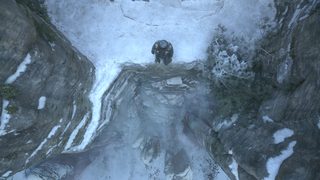
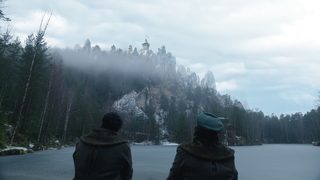
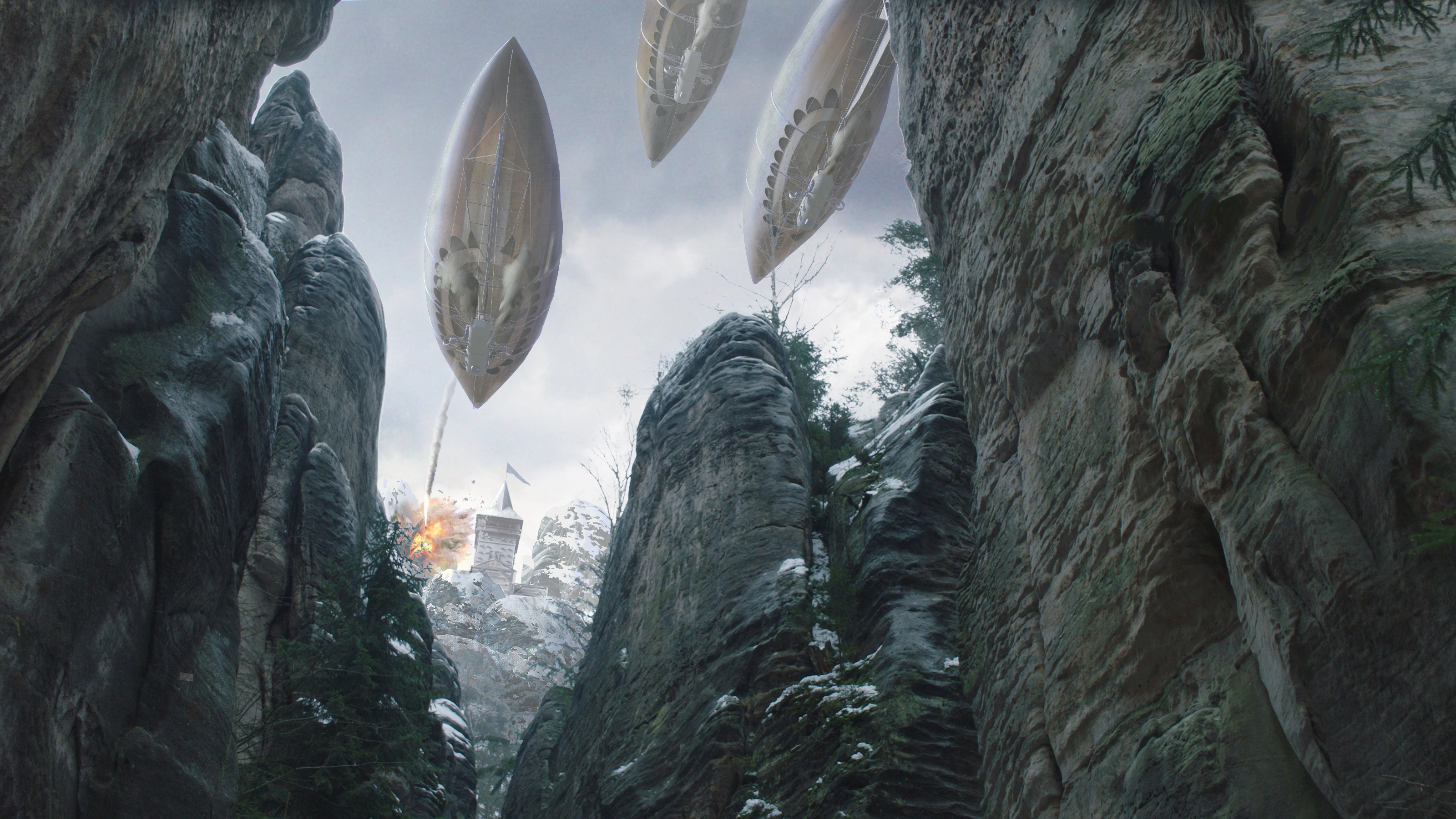
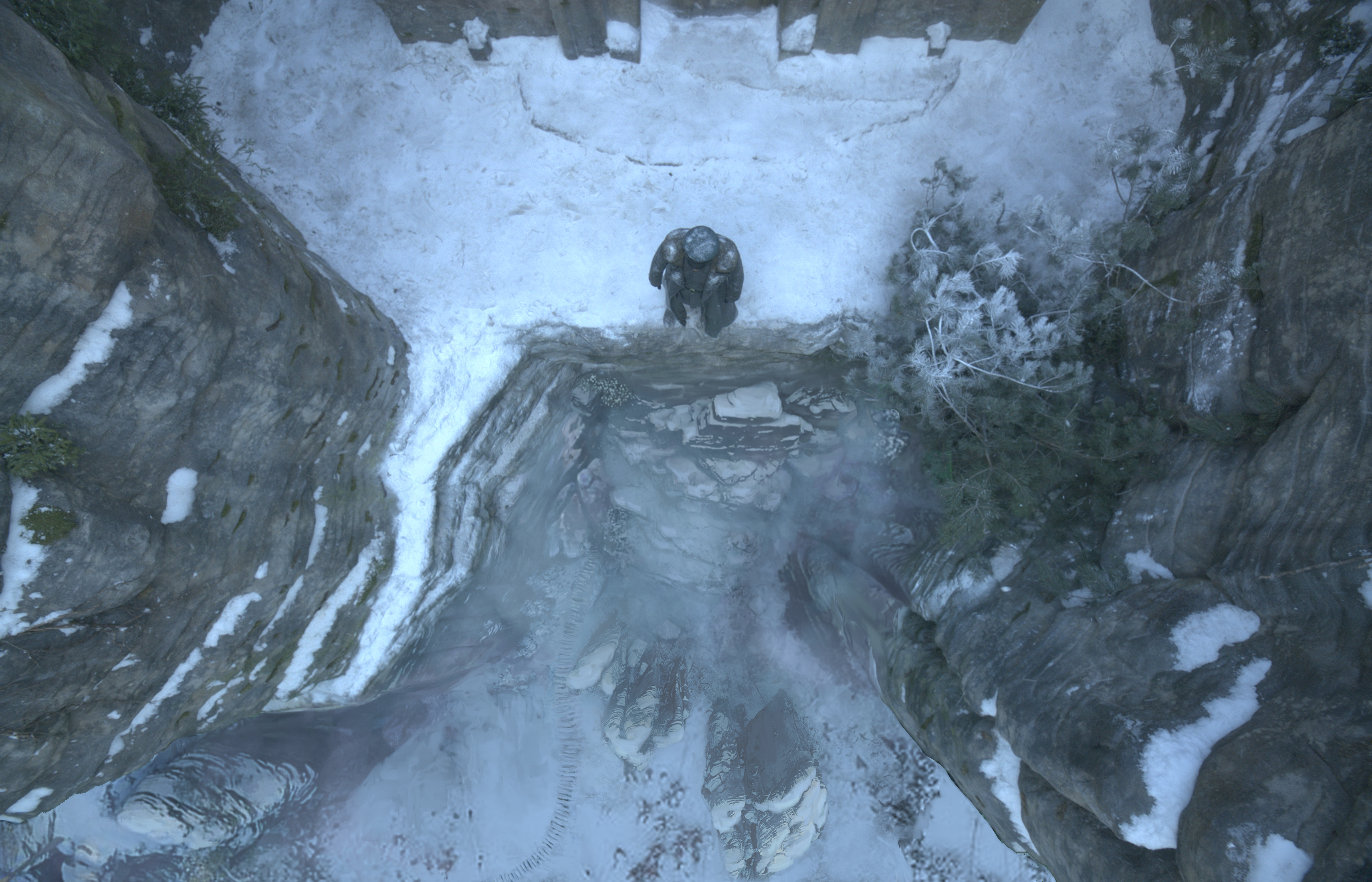
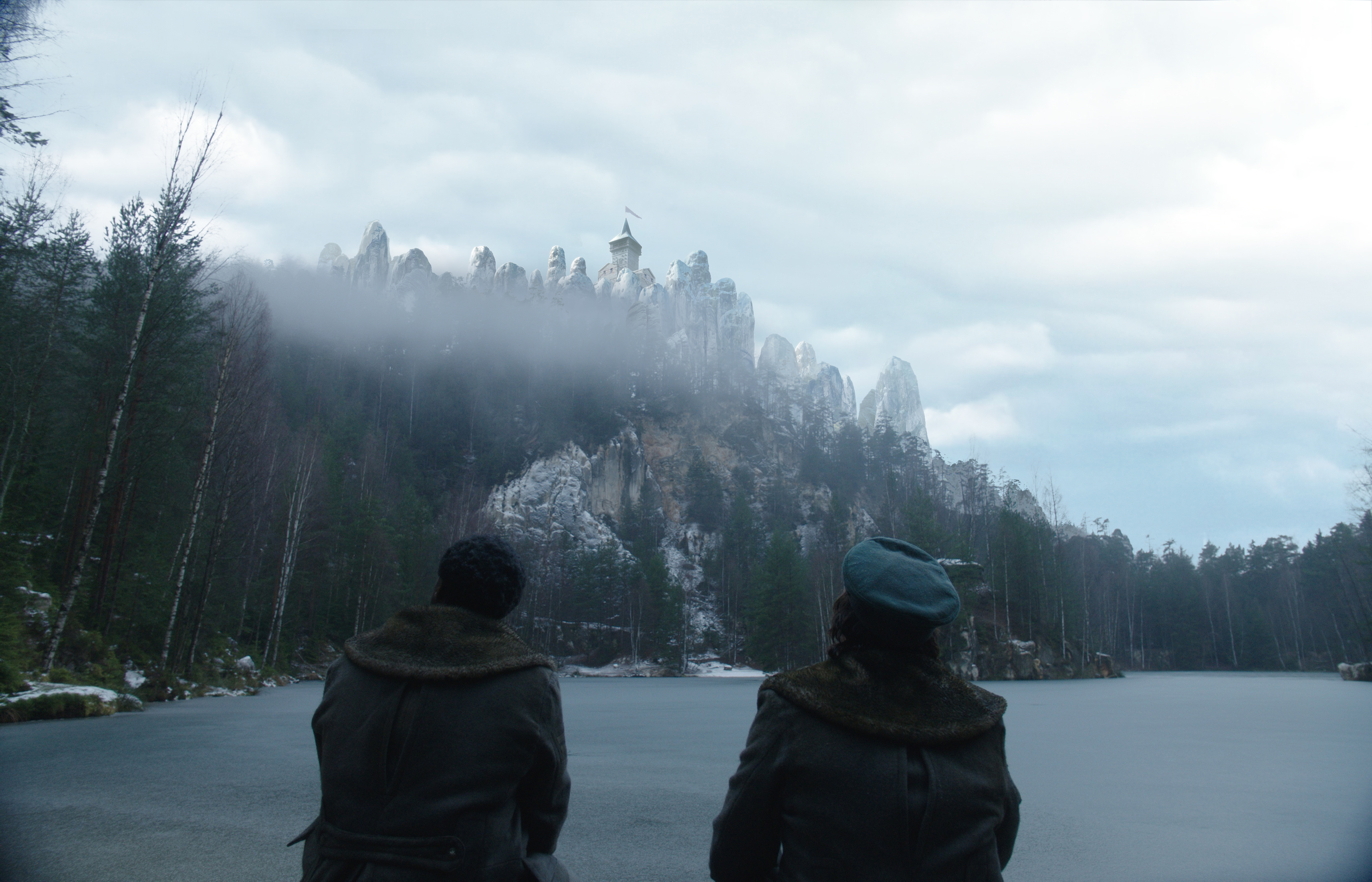
A specific episode required an action sequence set at a mountain monastery under attack from airships. The VFX concept work had to establish the geography of the location, the nature and design of the attacking vessels, the scale relationships between characters and environment, and the key dramatic beats — all before any assets were built or locations locked. These frames functioned as the sequence's visual blueprint.
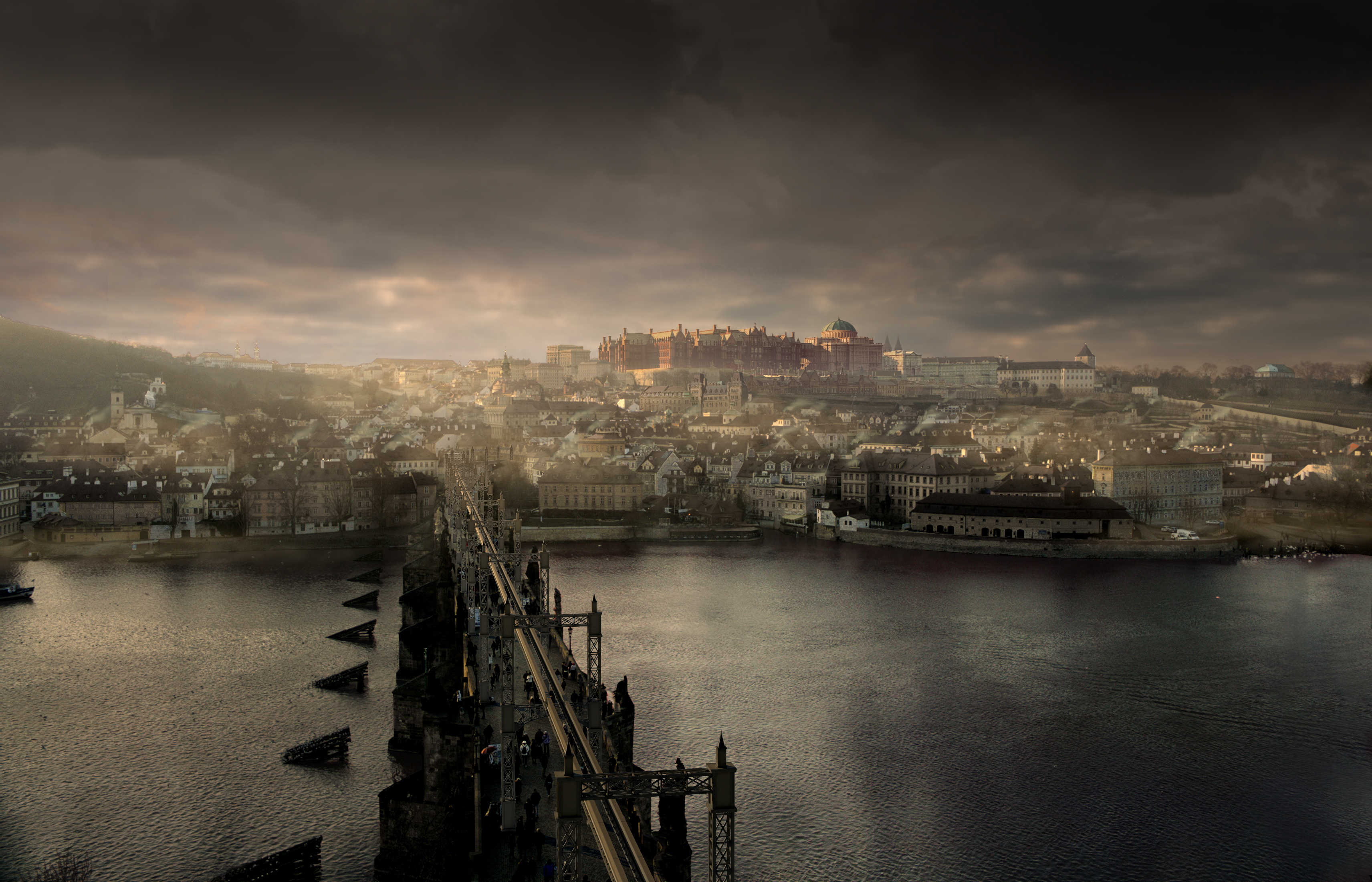
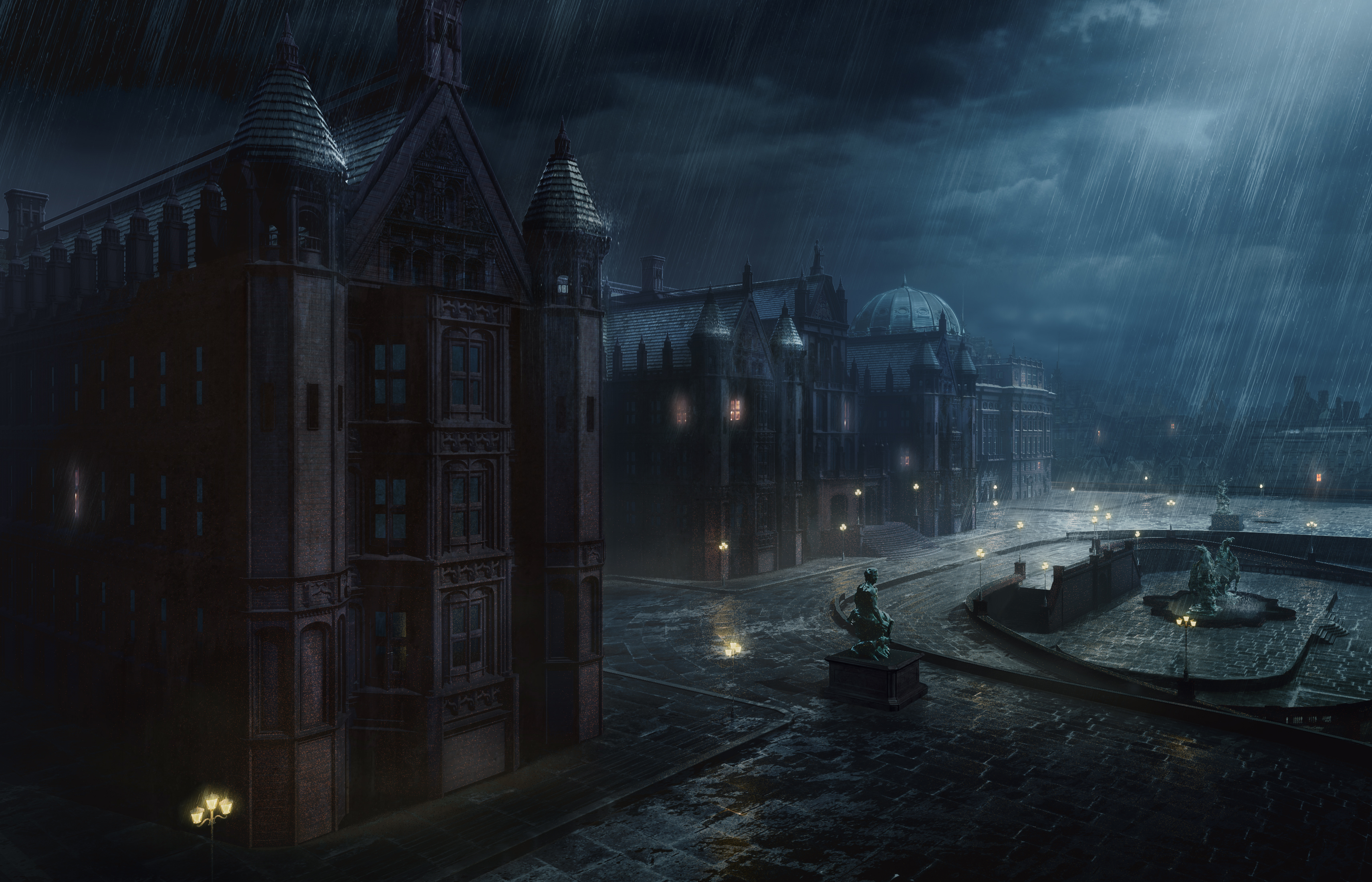
For Carnival Row's interior stage sets, production needed a photographic-quality backdrop of the Burgue cityscape wide enough to read as a real environment through a window or doorway. The final matte painting was output at 20 metres wide on silk — large enough that the weave of the fabric became the grain of the city.
Two versions were produced from the same painting: a daylit overcast and a deep-night version with reworked lighting, practical window glow, and atmospheric haze. The single backdrop gave the production the ability to shoot day and night interiors from the same set without a redress.


Drag to reveal — The Burgue cityscape matte painting, day and night versions. Output at 20m wide on silk for stage use.
Beyond the work shown here, VFX concept and matte painting credits include: The Rings of Power (Amazon / Weta Digital), Cosmos: Possible Worlds (Fox), Amazing Stories: The Rift (Universal Television), Black Adam (Warner Brothers), Pieces of Her (Netflix), Miss Marvel (Marvel), Justice League (Warner Brothers), Guardians of the Galaxy Vol. 2 (Marvel), Batman vs Superman (Warner Brothers), The BFG (Weta Digital / Disney), Alice Through the Looking Glass (Disney), Spectral (Legendary Pictures / Netflix), and The Darkest Hour (New Regency). Earlier credits include The Lord of the Rings trilogy (Weta Digital / New Line Cinema) and Harry Potter and the Order of the Phoenix (Double Negative / Warner Brothers).