Immersive & XR
The Seven Ravens
An augmented reality storybook — Felix & Paul Studios / Jim Henson Company
StudioFelix & Paul Studios
FormatAR Storybook
NarratorNeil Gaiman
RoleArt Director
01 — The Project
A fairy tale told through a physical book that becomes a world.

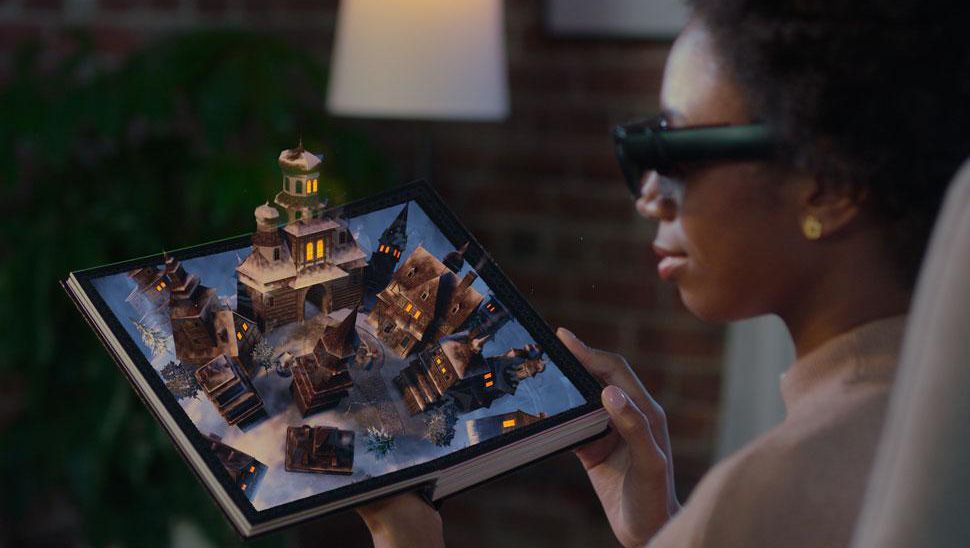
The Seven Ravens is an AR storybook adaptation of the Brothers Grimm fairy tale, produced by Felix & Paul Studios in collaboration with the Jim Henson Company and narrated by Neil Gaiman. The experience works through a physical book — twelve tableaux, each spanning two pages when opened, from which three-dimensional scenes emerge into the reader's space.

Felix and Paul brought immaculate storyboards. My role as Art Director was to take each of the twelve storyboarded tableaux and rationalise them into buildable assets — identifying what was production-ready, what needed further development, and carrying that work through from moodboards and reference research through to near-finished 3D scenes handed off to the production pipeline.

The central question was not how to make something look like a fairy tale. It was how to make something feel like one.
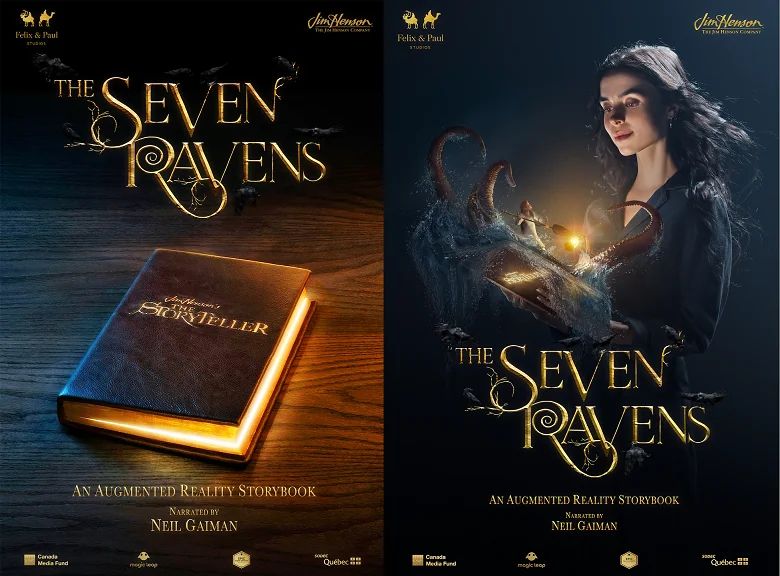
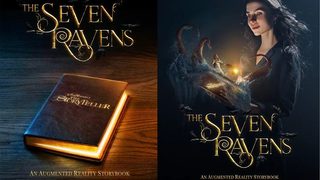
The Seven Ravens — official posters
Official press material — Felix & Paul Studios / Jim Henson Company. Narrated by Neil Gaiman. Not created by Hungry Ghost.
02 — The Problem
Translating the beauty of traditional fairy tale illustration into real-time 3D.

Traditional fairy tale illustration has a specific visual register — the watercolour and ink tradition of Rackham, Dulac, and Nielsen. Depth and shadow achieved through the variability of a brushstroke. Texture living in the grain of paper. A slightly imprecise quality that makes the world feel handmade and therefore believable in a way that photorealism never quite achieves.

3D rendering tends toward either photorealism or stylisation. The fairy tale tradition lives between the two — it has genuine shadow depth but also flatness, organic line work but also volume. Getting that balance wrong produces something that looks like a children's game rather than an enchanted world.

The illustrated quality had to be carried into the 3D assets not by copying the technique but by understanding what made it feel the way it did — and finding a 3D equivalent.

Every character, environment, and prop needed to answer the same question: does this feel like it belongs in a fairy tale illustration, or does it feel like a video game asset with a fairy tale skin applied?

03 — The Approach
Research, reference, iteration — across twelve tableaux.

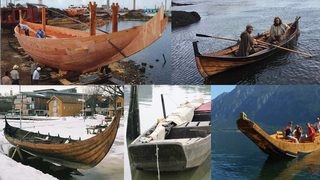
Each tableau required its own research process — historical architecture, material reference, period costume, and creature design — grounded in the specific cultural world the story inhabits. Eastern European vernacular architecture, Viking boat-building tradition, medieval locksmithing. The 3D world needed to feel historically specific without being archaeologically literal.

Character — Emma
Finding the illustrated quality in a 3D character.
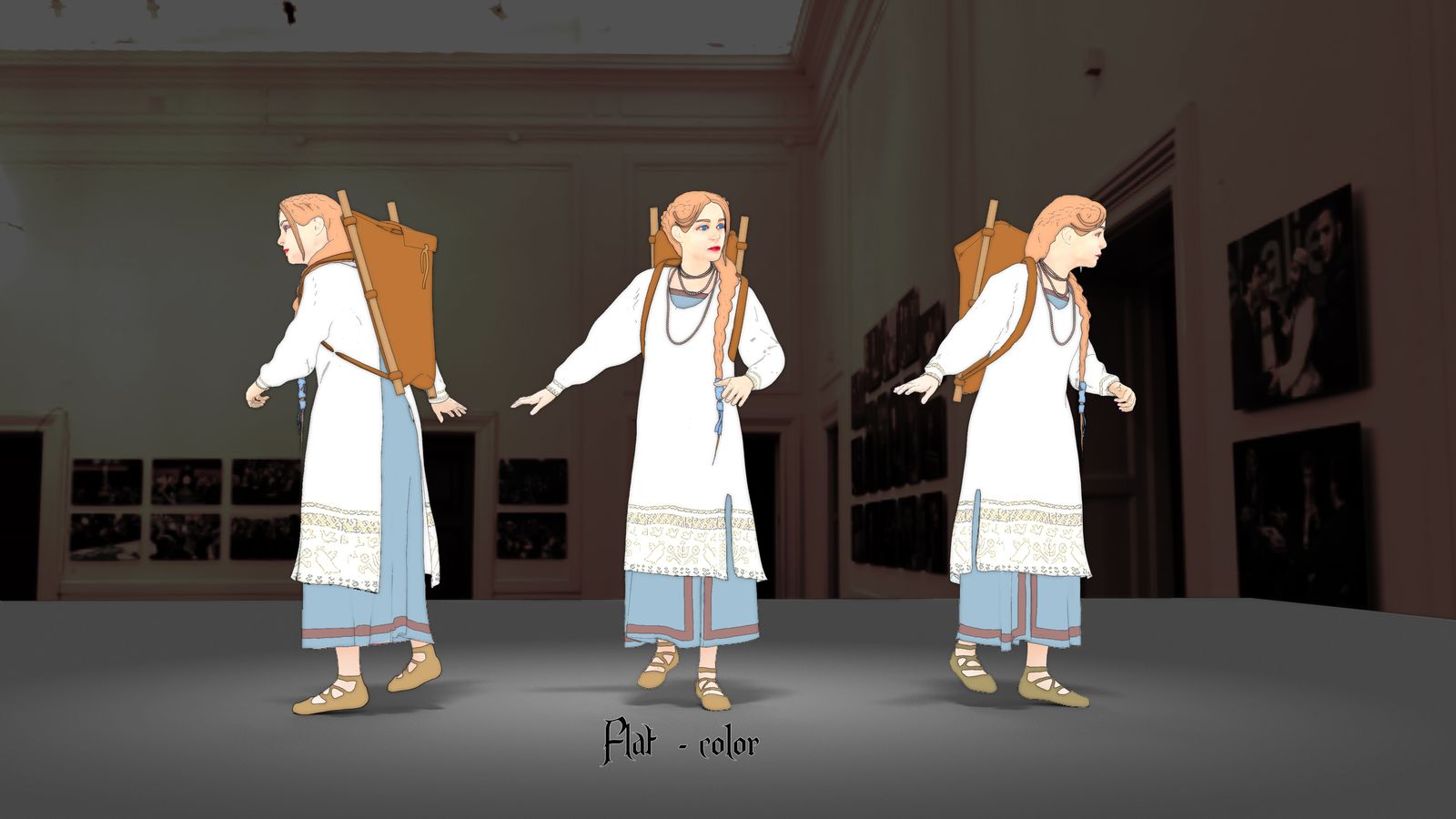
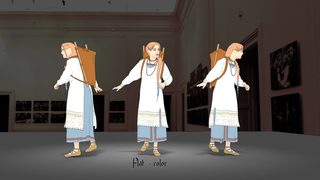
Emma WIP4 character sheet
Flat colour — the base colour pass establishing the illustrated palette before shadow and occlusion are added
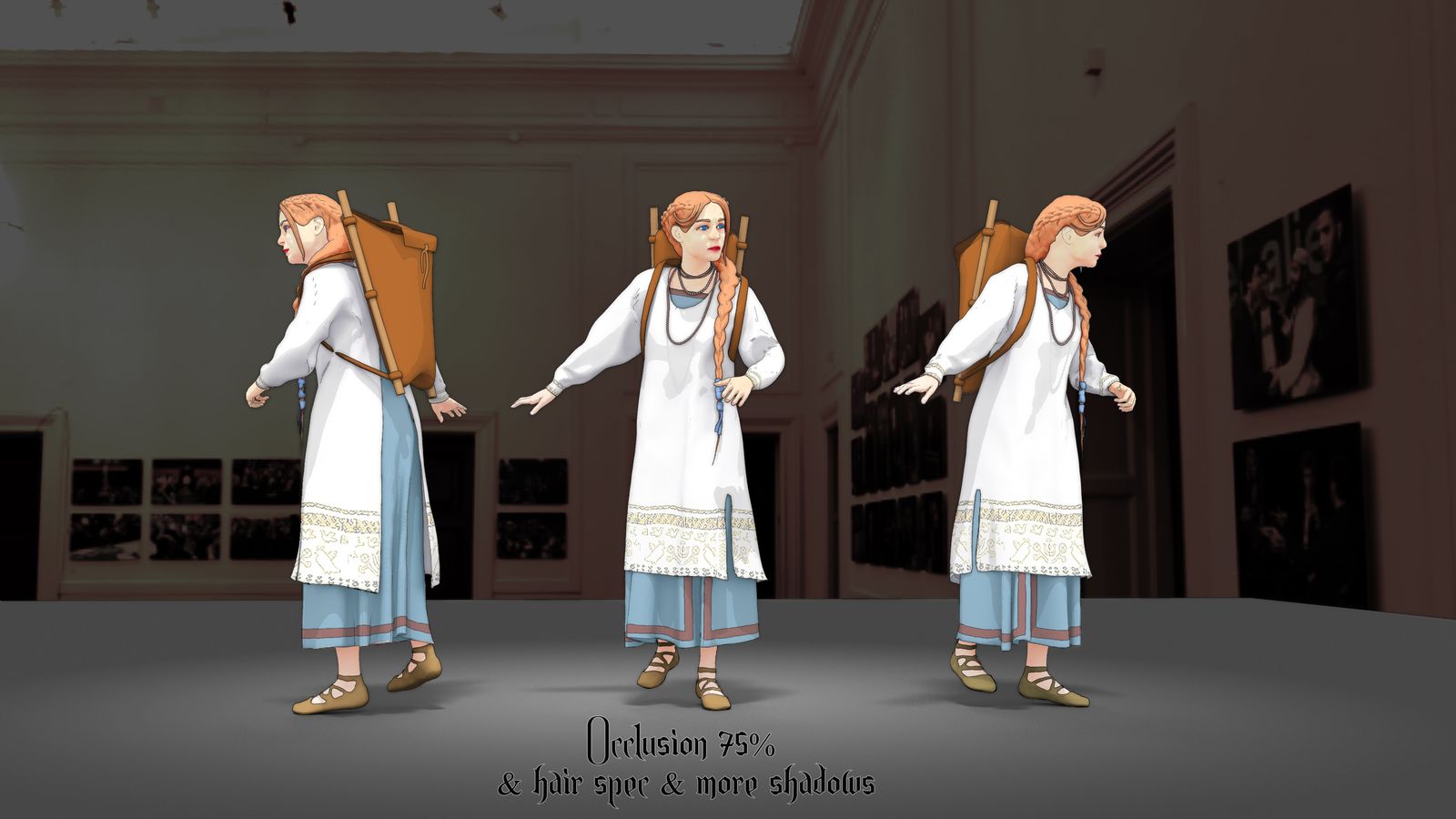
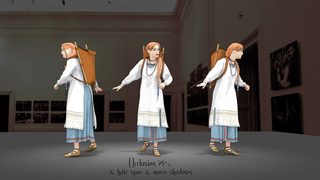
Emma WIP5 character sheet
WIP5 — "Occlusion 75% & hair spec & more shadows" — pushing toward the chiaroscuro depth of fairy tale illustration without tipping into photorealism
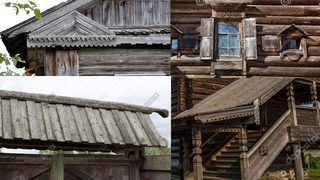
Architecture — Tableau 2
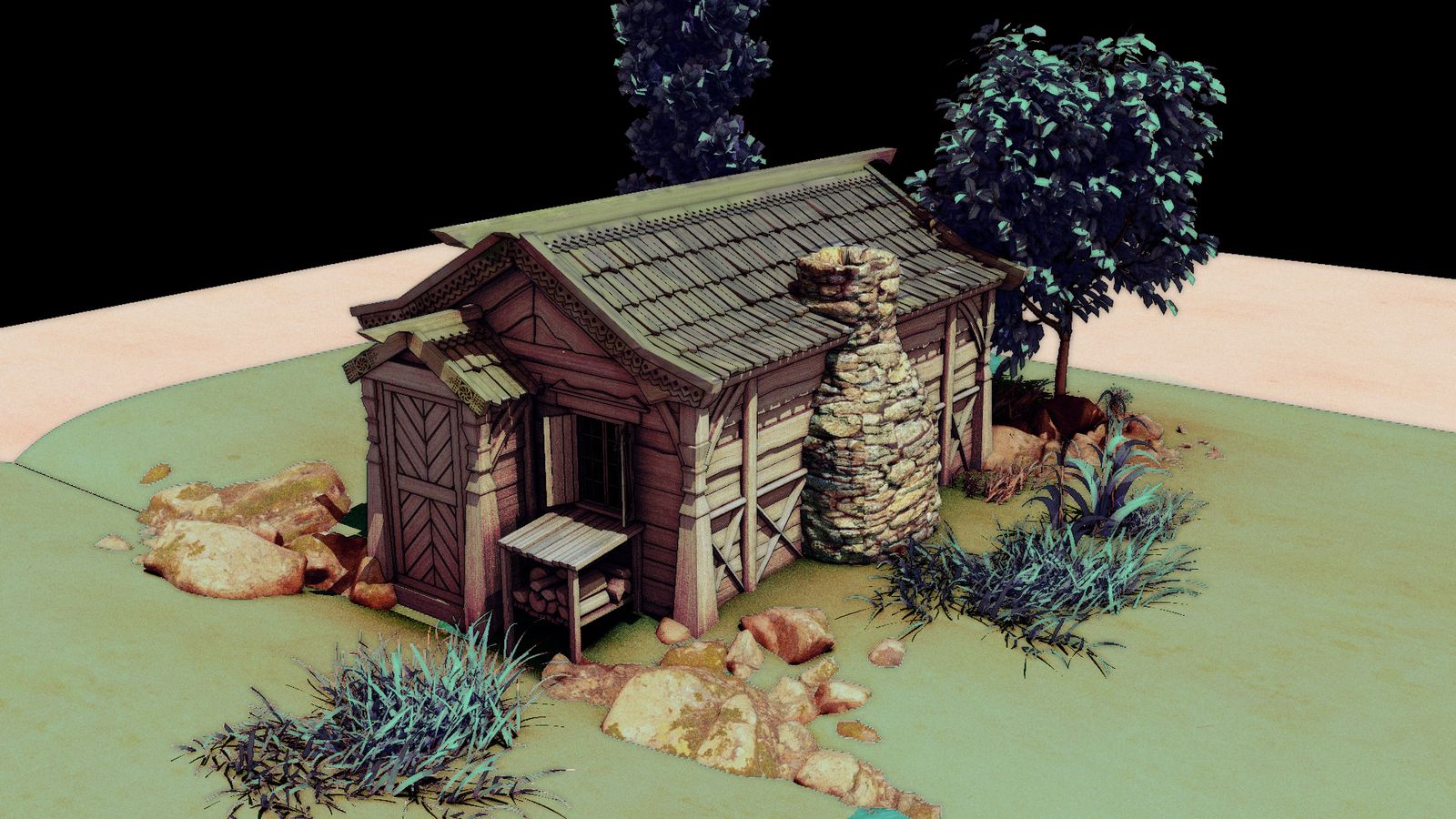
Russian vernacular architecture as the foundation for the first scene.
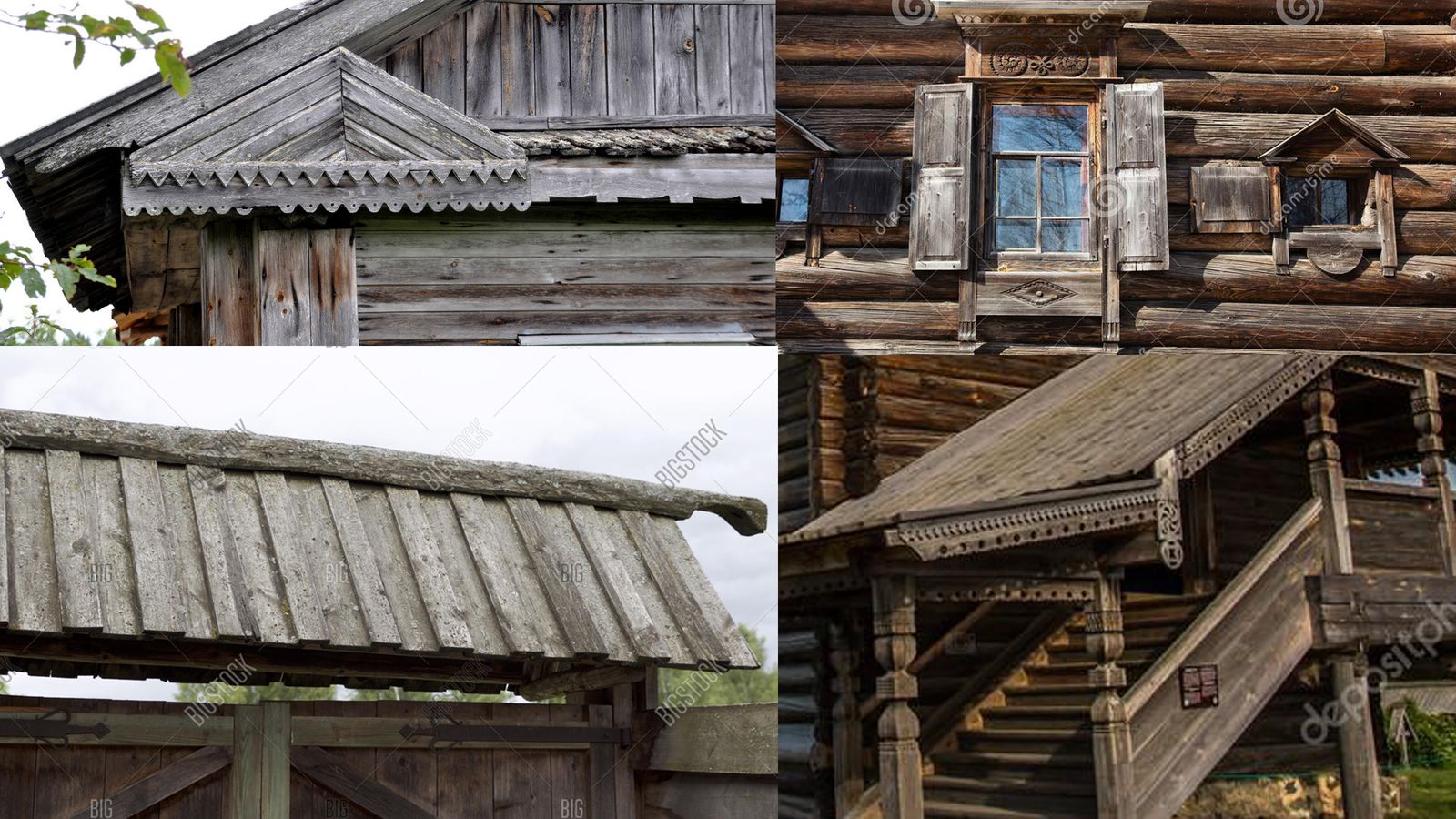
Russian vernacular architecture reference
Reference — Russian wooden architecture
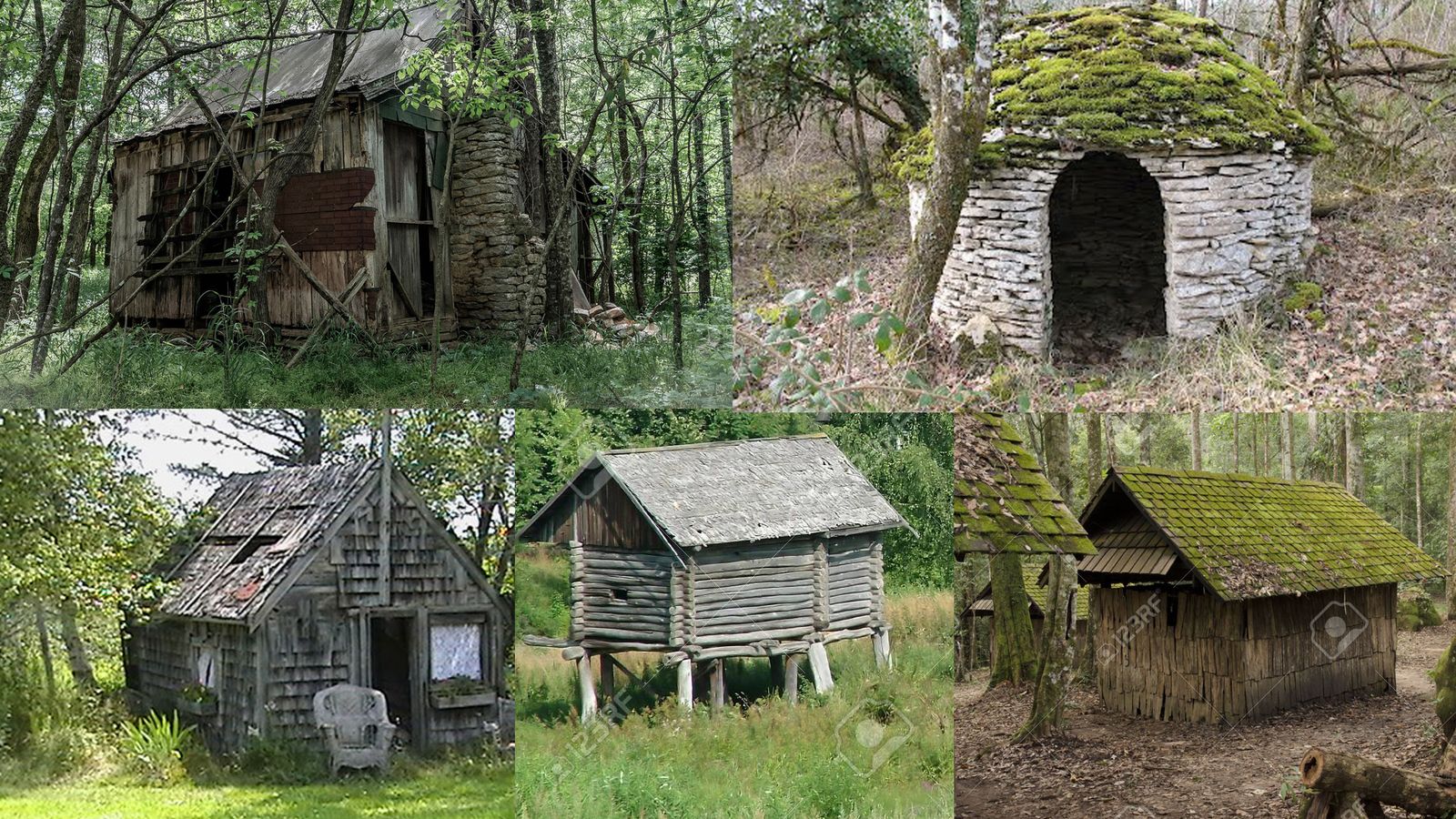
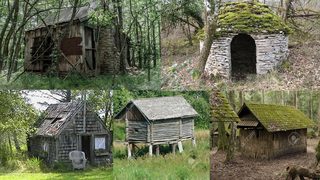
Forest structure reference
Reference — European forest structures
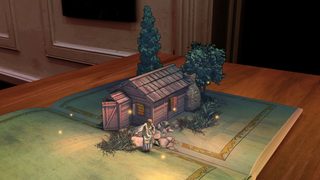
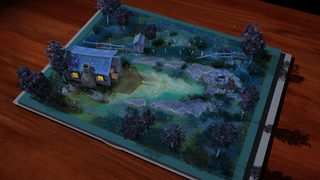
Tableau 2 style test
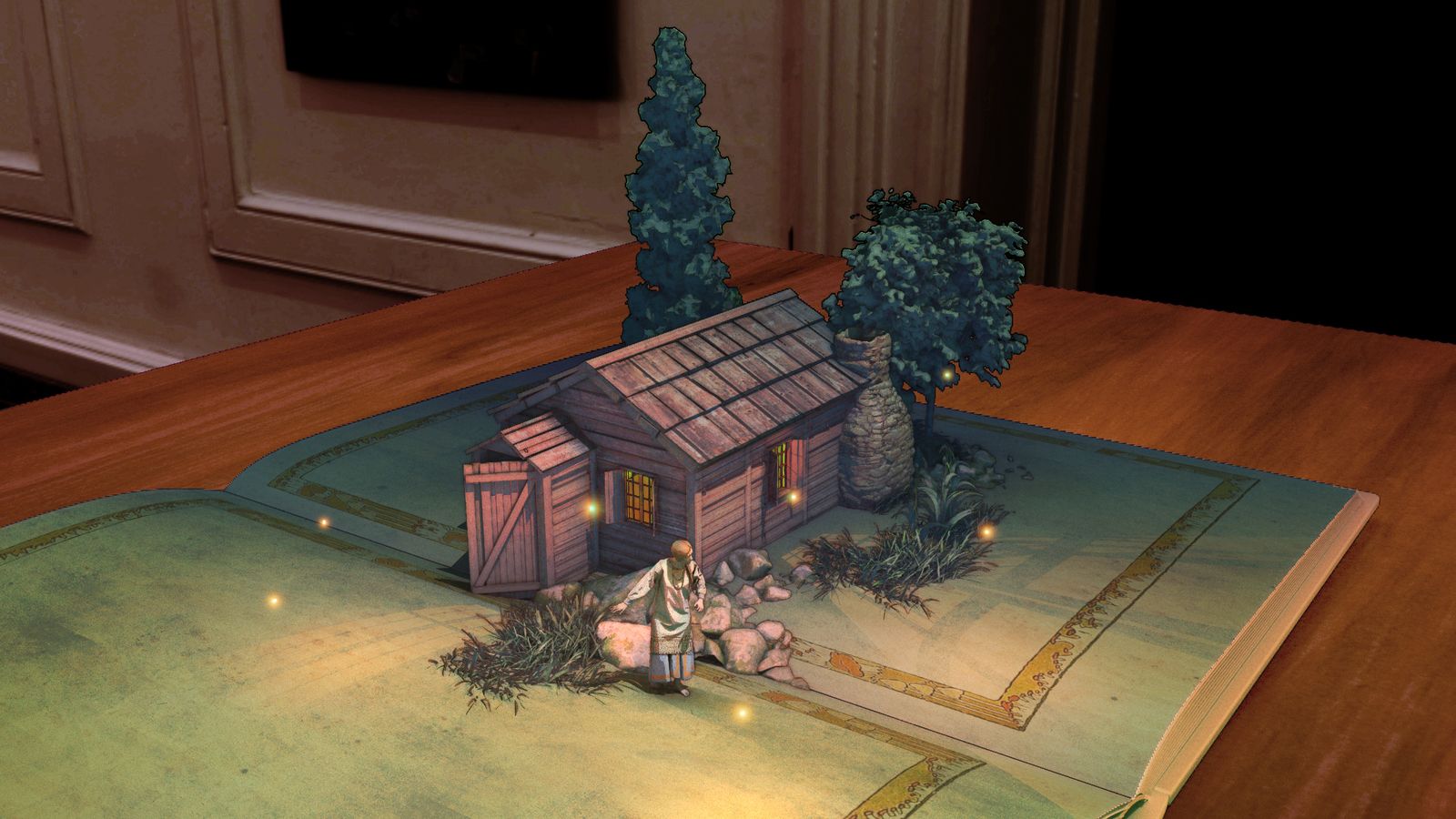
Style test — exploring the illustrated quality on early WIP assets
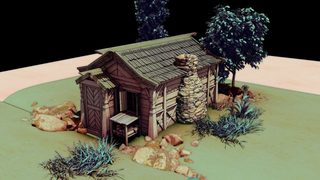
Hut 3D asset WIP
Asset development — the hut in 3D
House and garden — finished render
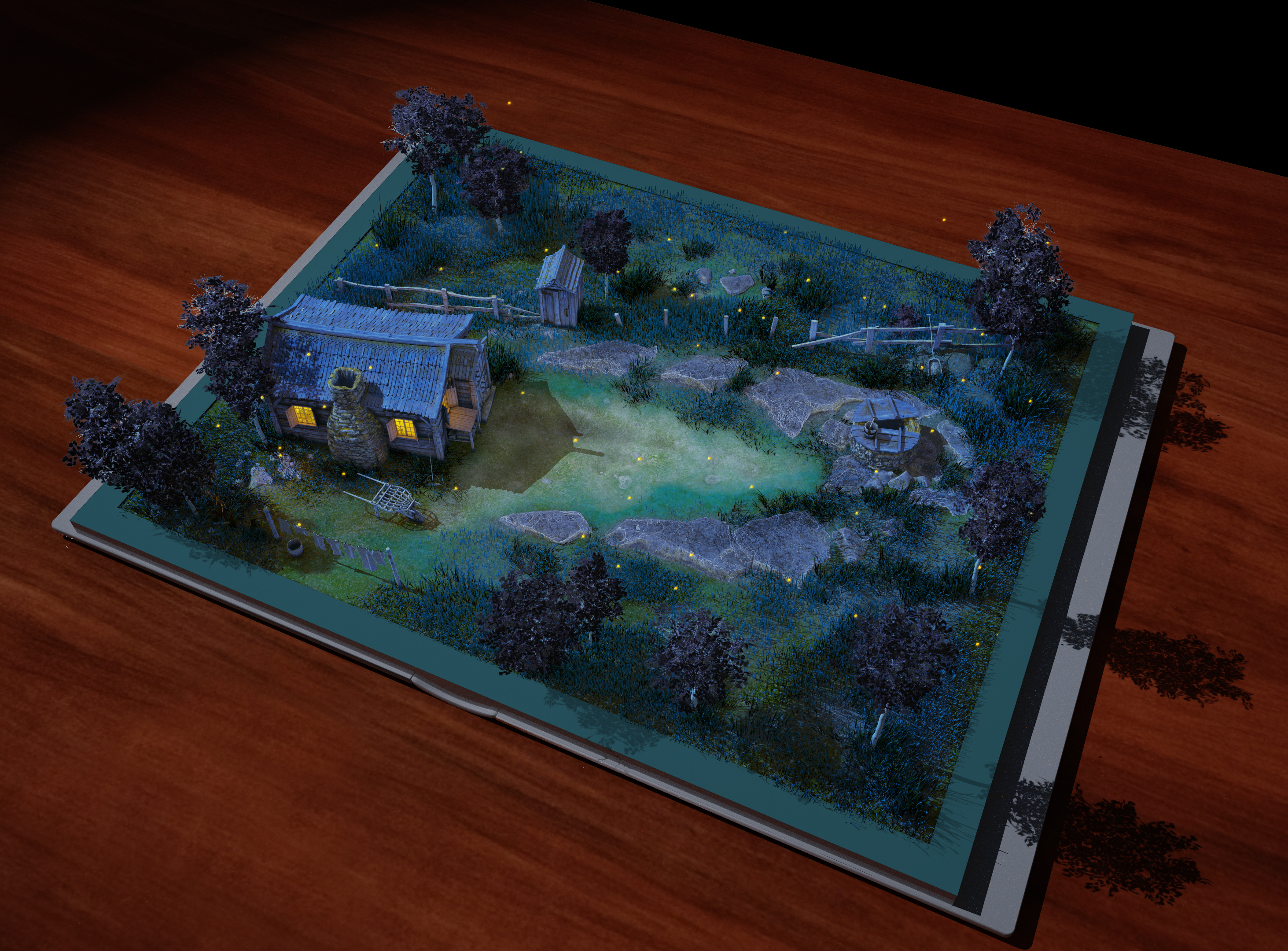
House and garden — near-finished scene
Character — The Mountain King
From sculpt to illustrated surface — the creature design pipeline.
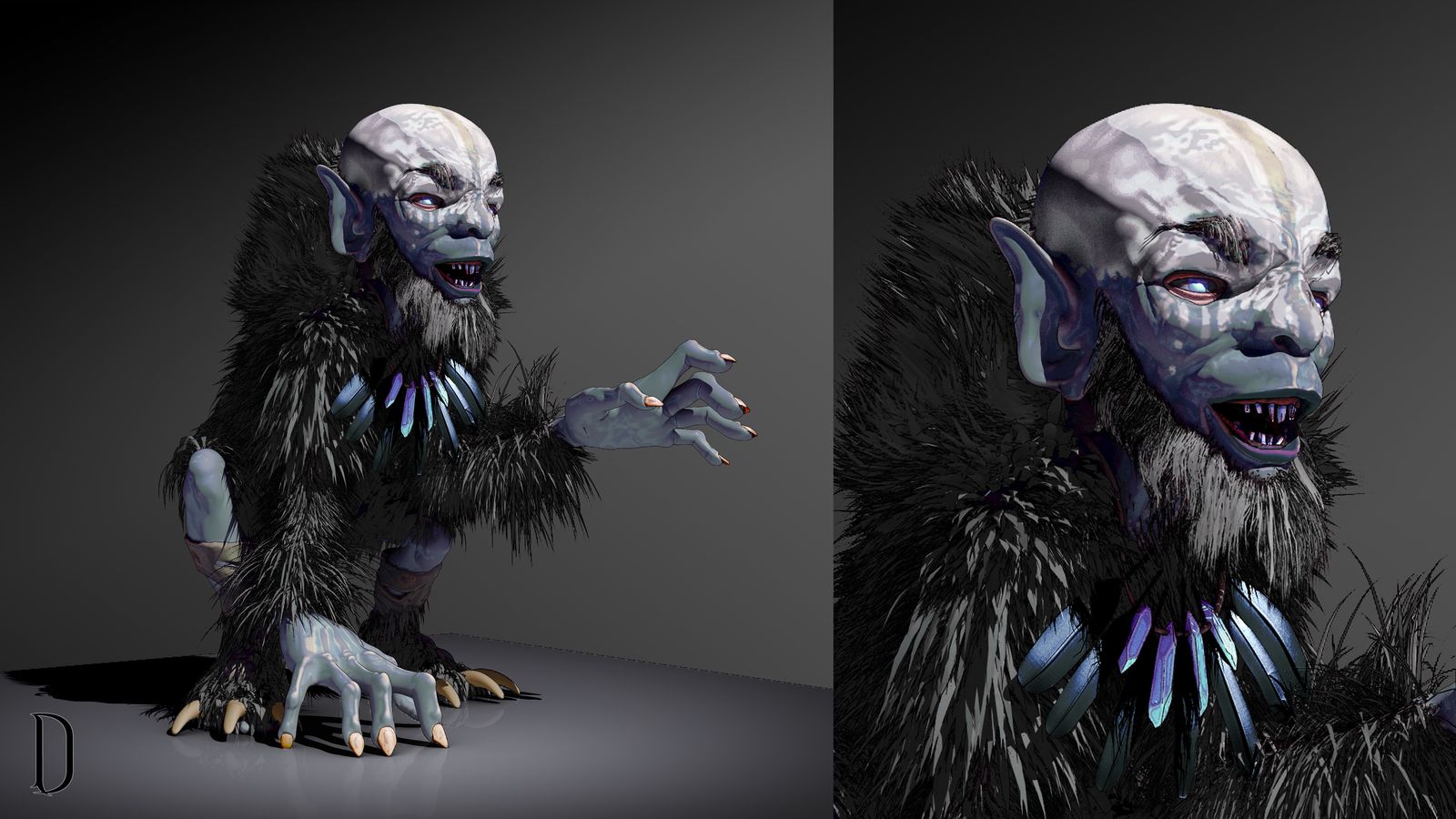
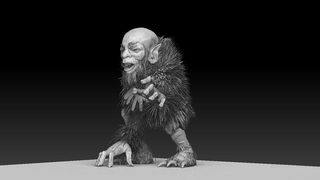
Mountain King sculpt
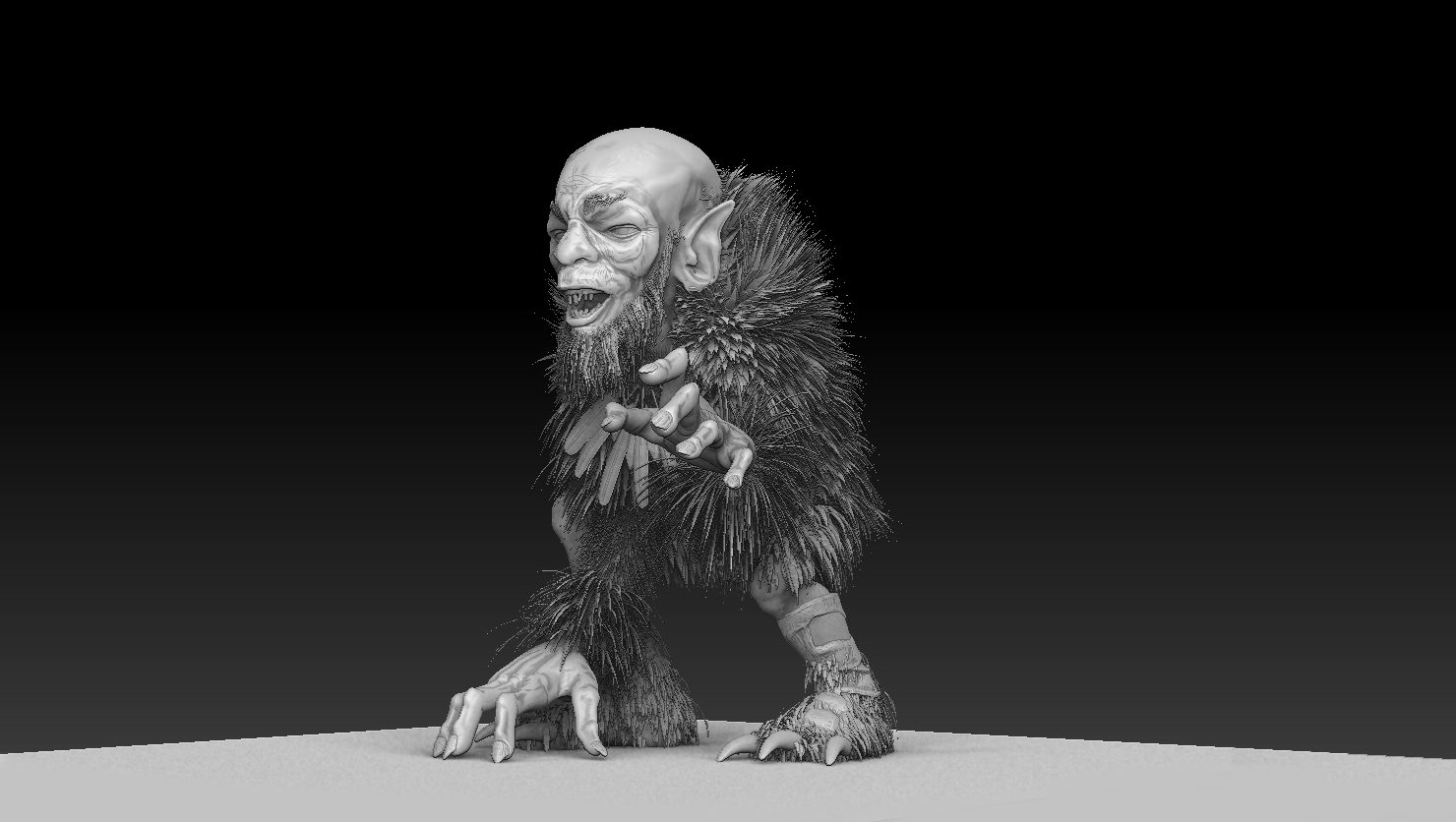
Clay sculpt — the Mountain King in grey. The creature's form, proportion, and surface detail established before colour or texture
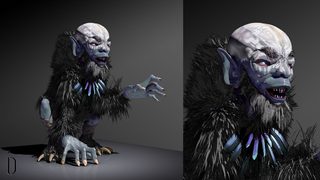
Mountain King textured
Textured and coloured — the illustrated quality in the skin colouring, the crystal collar connecting him to the ice world, the matted fur carrying the dark fairy tale register
Prop Design — The Lock
The story's central symbol embedded in the first interactive object.

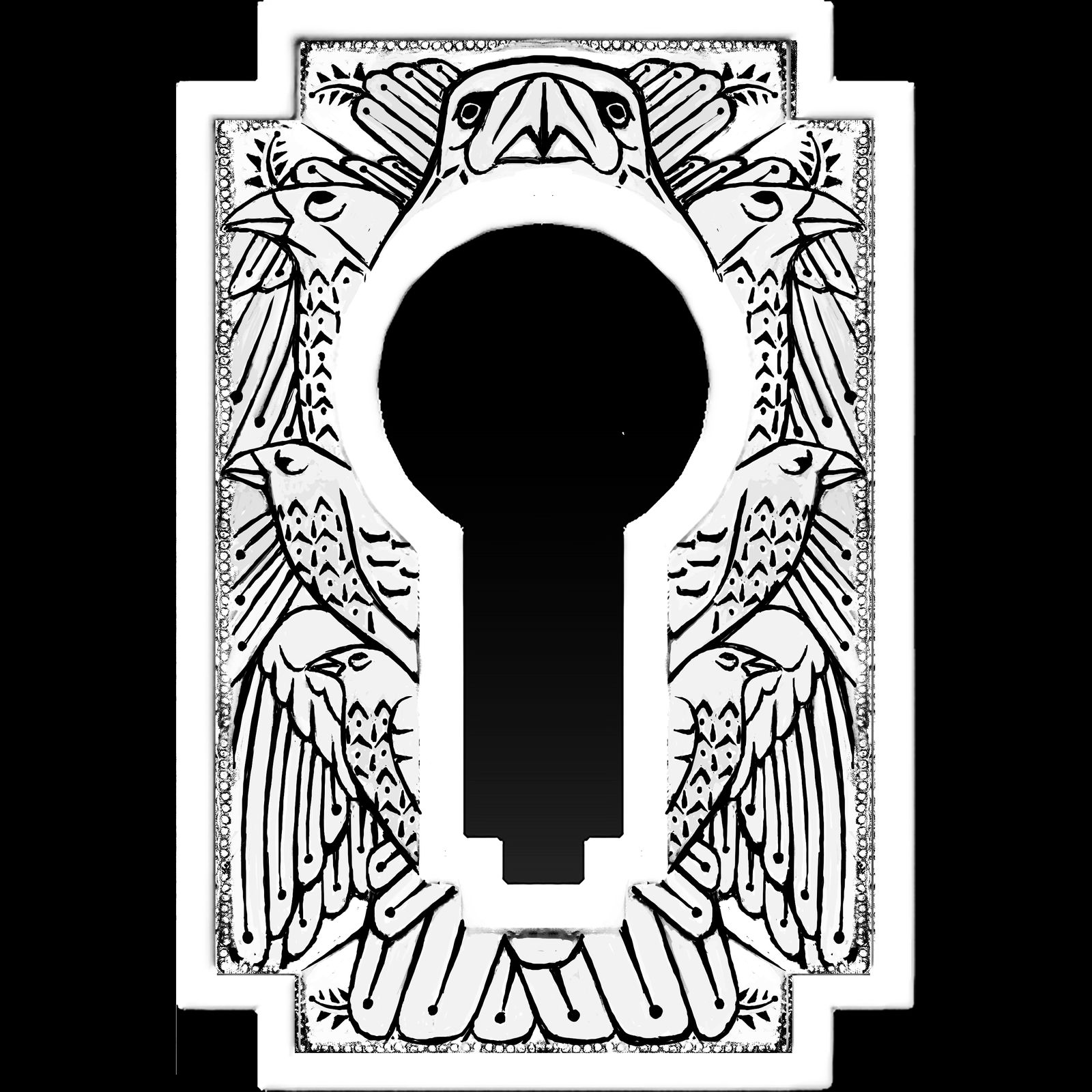
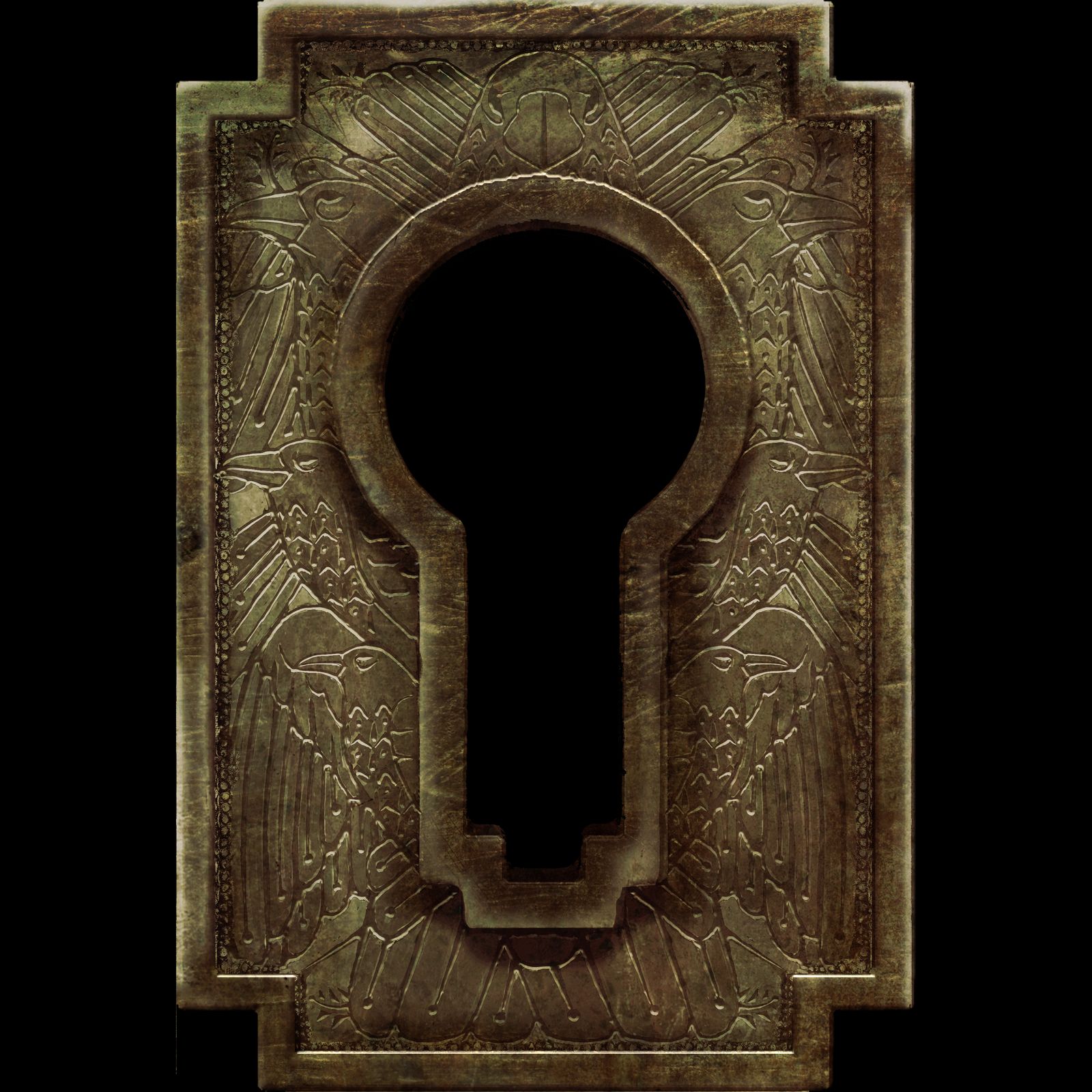
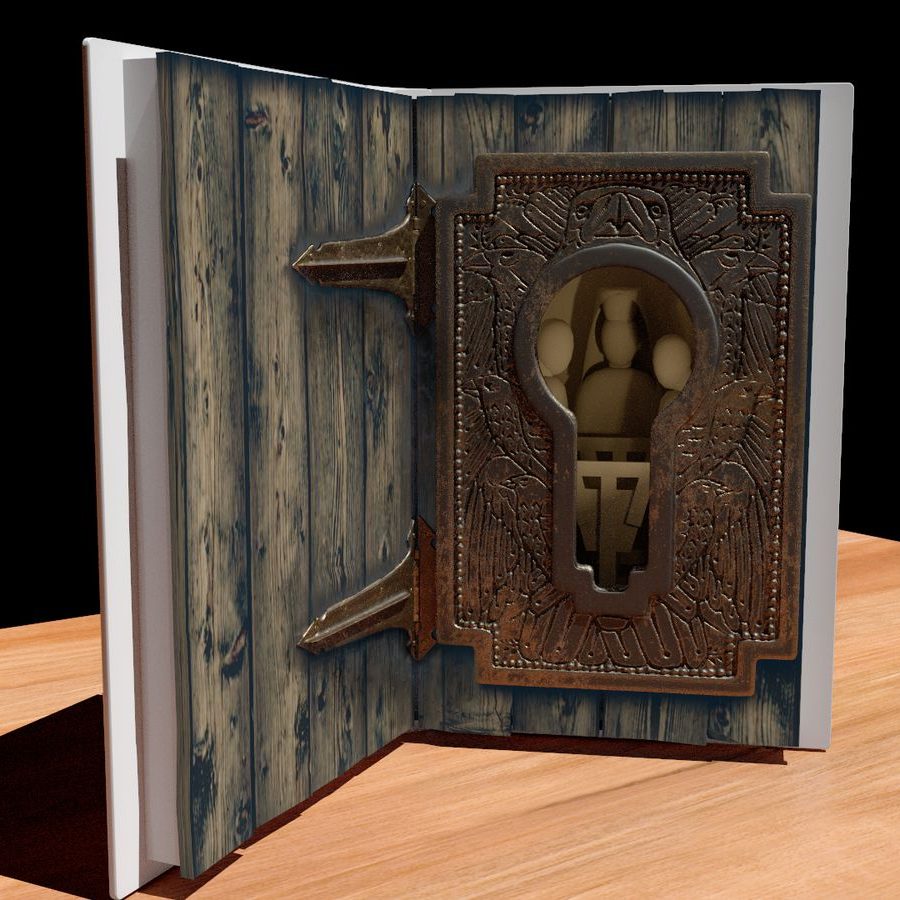
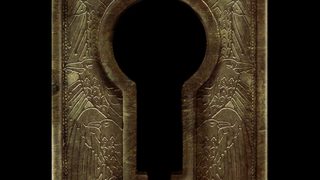
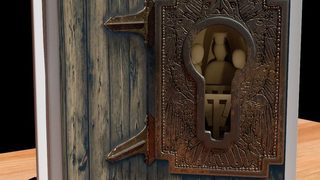
The book opens to a large wooden door with a raven-engraved lock plate. The seven ravens — the title characters — are worked into the surface of the prop the reader encounters first. The illustrated line drawing was applied directly as a texture map, making the translation from fairy tale illustration to 3D surface visible in the object itself.

Lock illustrated pattern
The illustrated line drawing — the design as it would exist in a traditional fairy tale illustration, before translation to 3D
Lock textured brass
Textured and aged — the same design in brass with patina, the illustration translated into material surface
Lock in tableau layout
In context — the lock plate on the wooden door within the first tableau, the book as portal to the world
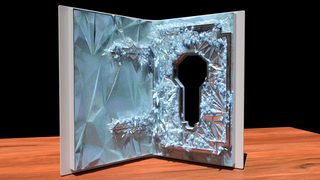
Tableau 3 — the ice crystal lock erupting from the book spine. The physical object that holds the story becomes the object that bars entry to it
Prop Design — The Compass
A prop designed through three material states — before, during, and after a narrative event.

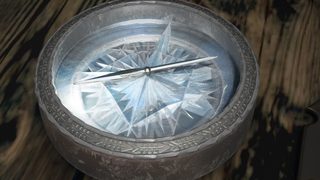
In the storyboard, the compass freezes over after the reader picks it up from the table. Most props are designed once. This one was designed three times — for what it is, for the moment it changes, and for what it becomes. The material transformation is the story told through an object.

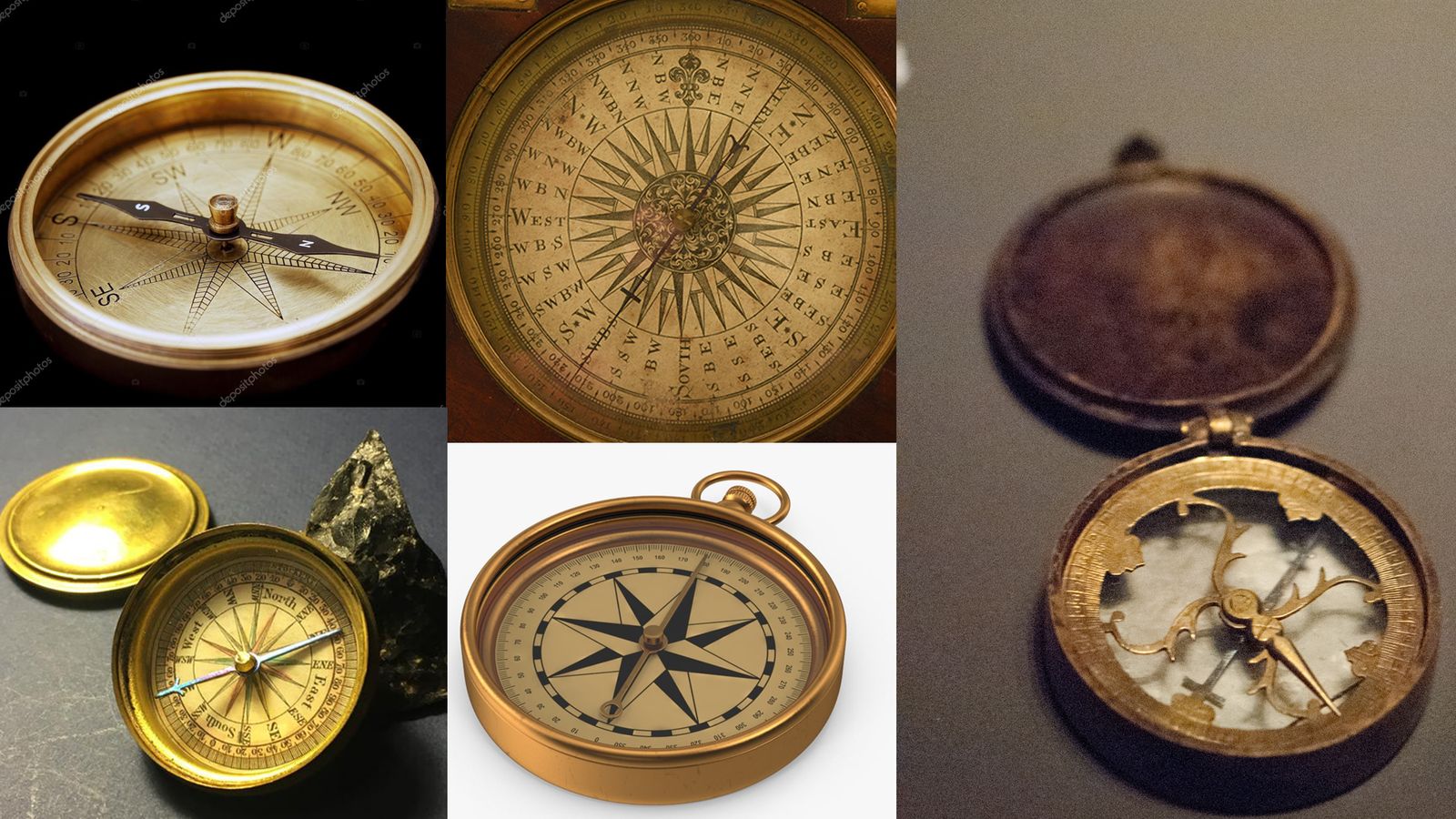
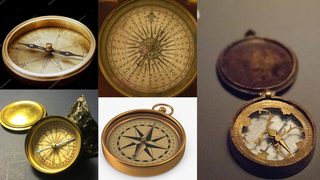
Compass reference board
Antique brass compasses — the specific material quality, engraving style, and patina that grounded the design in the world of the story
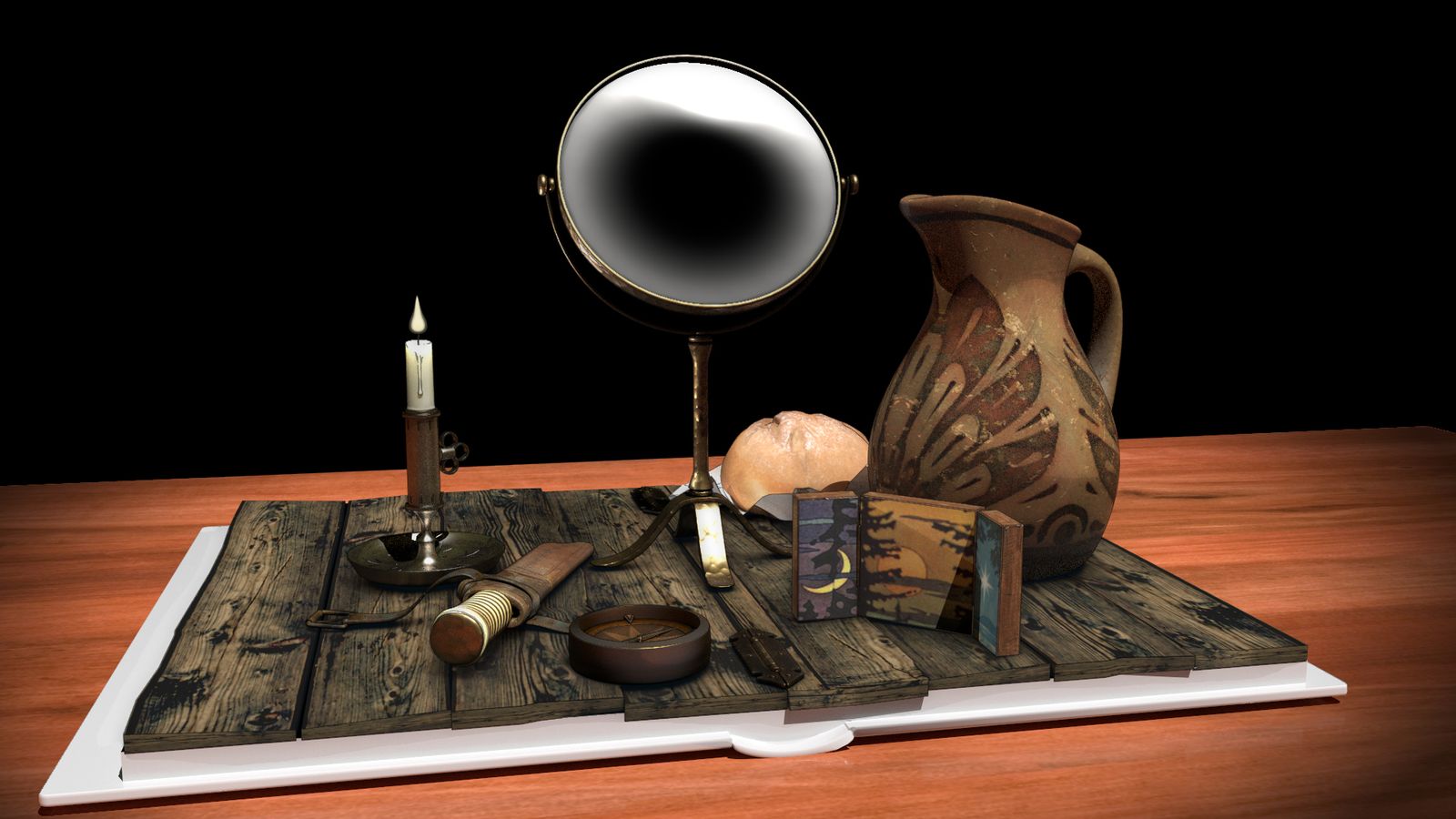
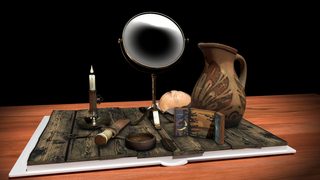
Compass in tableau context
The compass in context — sitting on the wooden table alongside candle, mirror, jug, and tarot cards. The full prop environment of Tableau 8
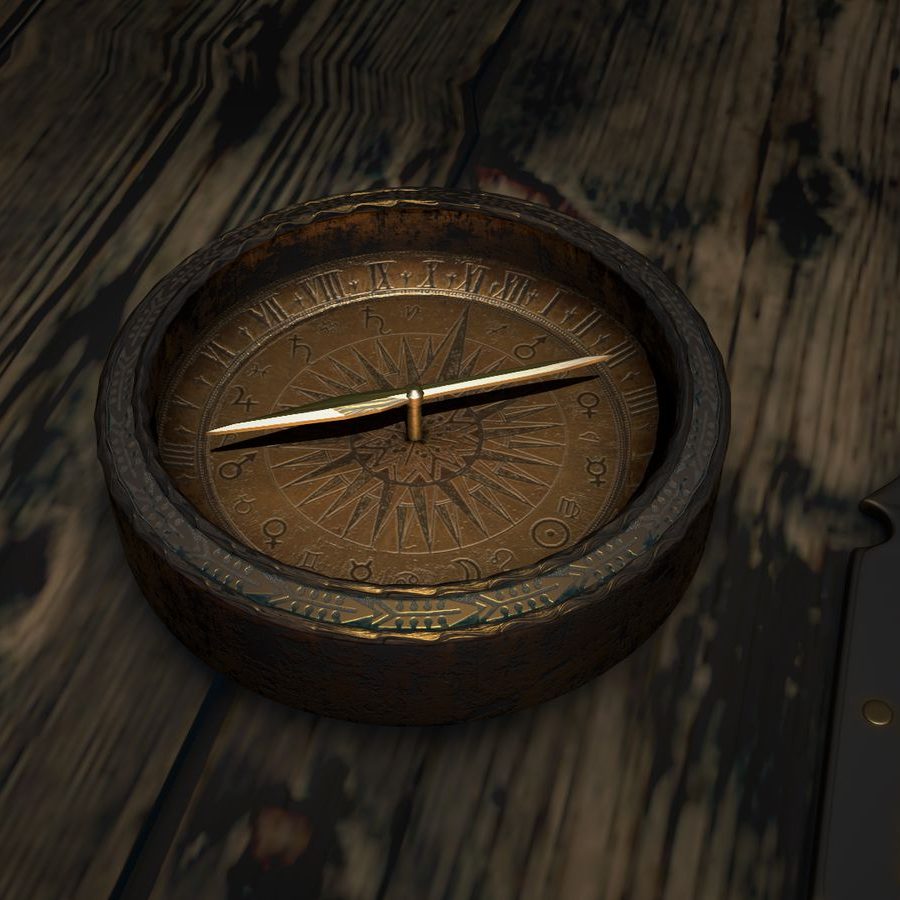
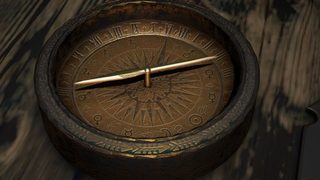
Compass — brass state
Brass — the compass as a warm aged object. Zodiac symbols, worn patina, golden needle. Belonging to the real world of the story
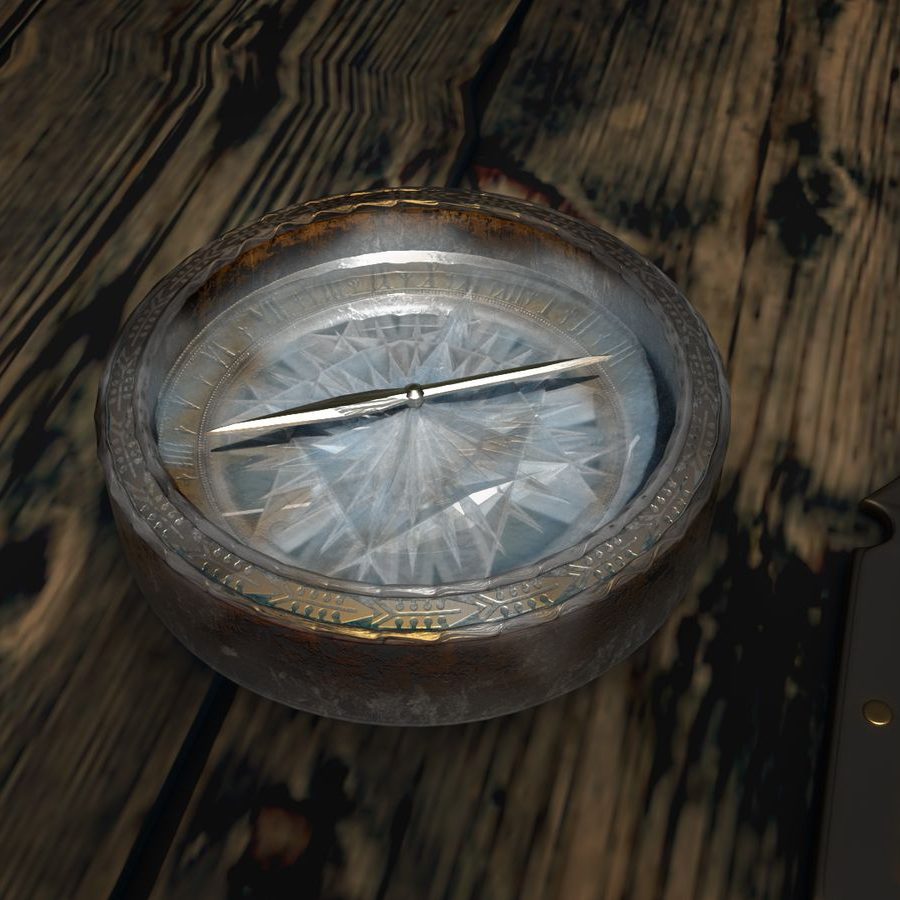
Compass — transition state
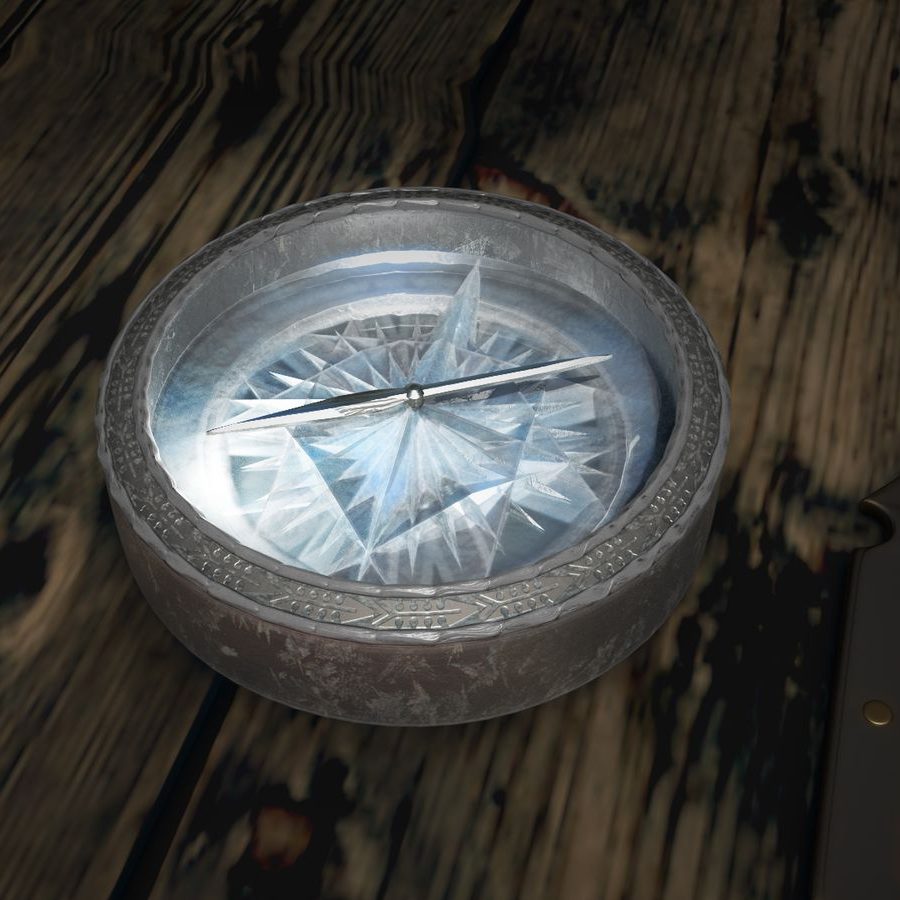
Transition — mid-freeze. The brass surface becoming ice, the face clouding. The moment of narrative transformation made visible as a material state change
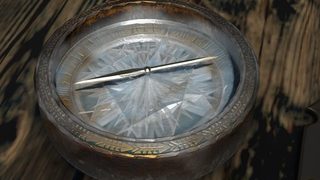
Compass — crystal state
Crystal — fully frozen. The face replaced by ice geometry, glowing from within. The same object in a completely different material register
Props — Boats, Tableau 11
Viking boat-building tradition as the reference for the final journey.
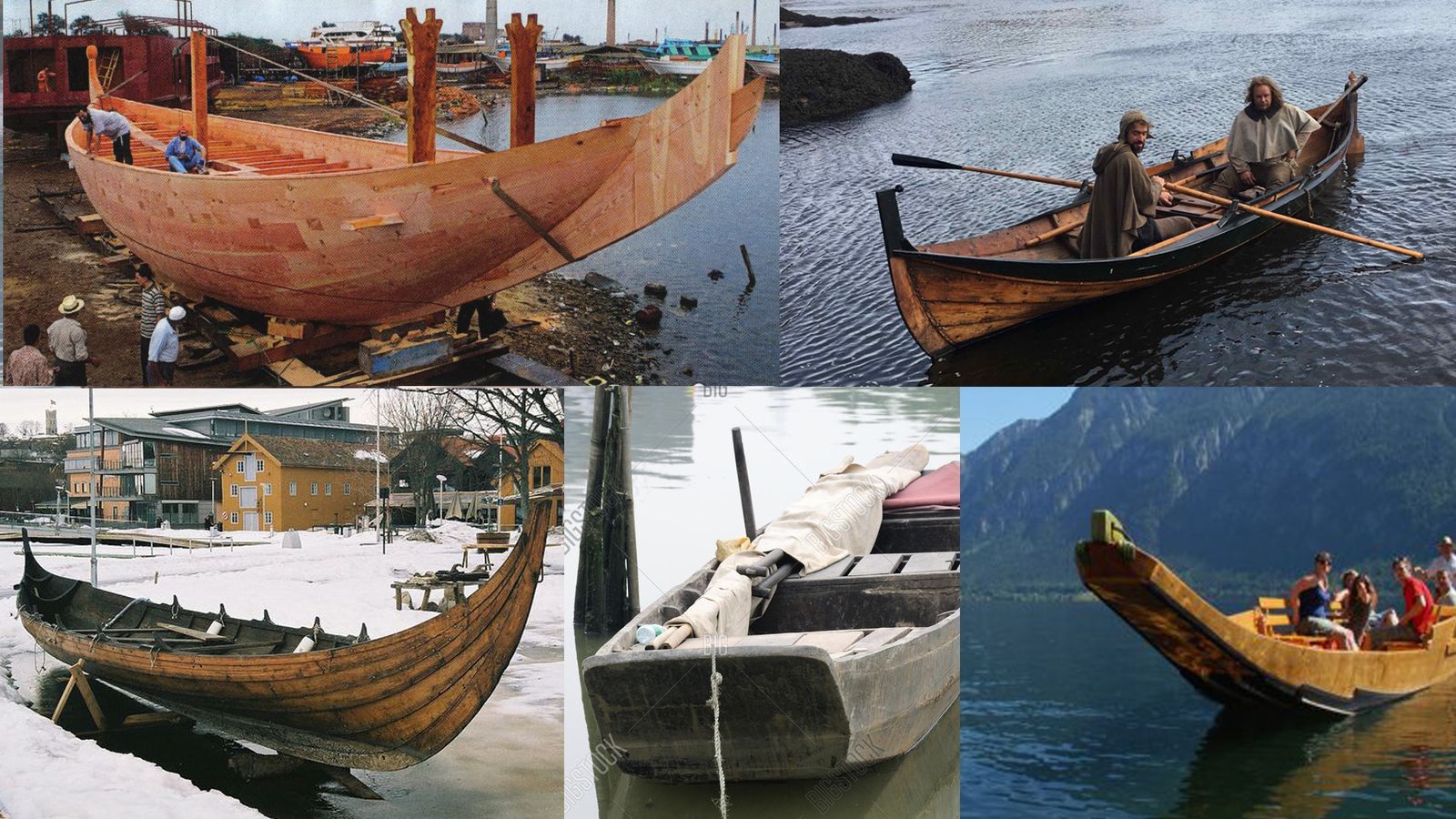
Viking boat reference
Reference — Viking and medieval rowing vessels. The lapstrake construction, the specific hull profiles, and the lantern hanging from the prow
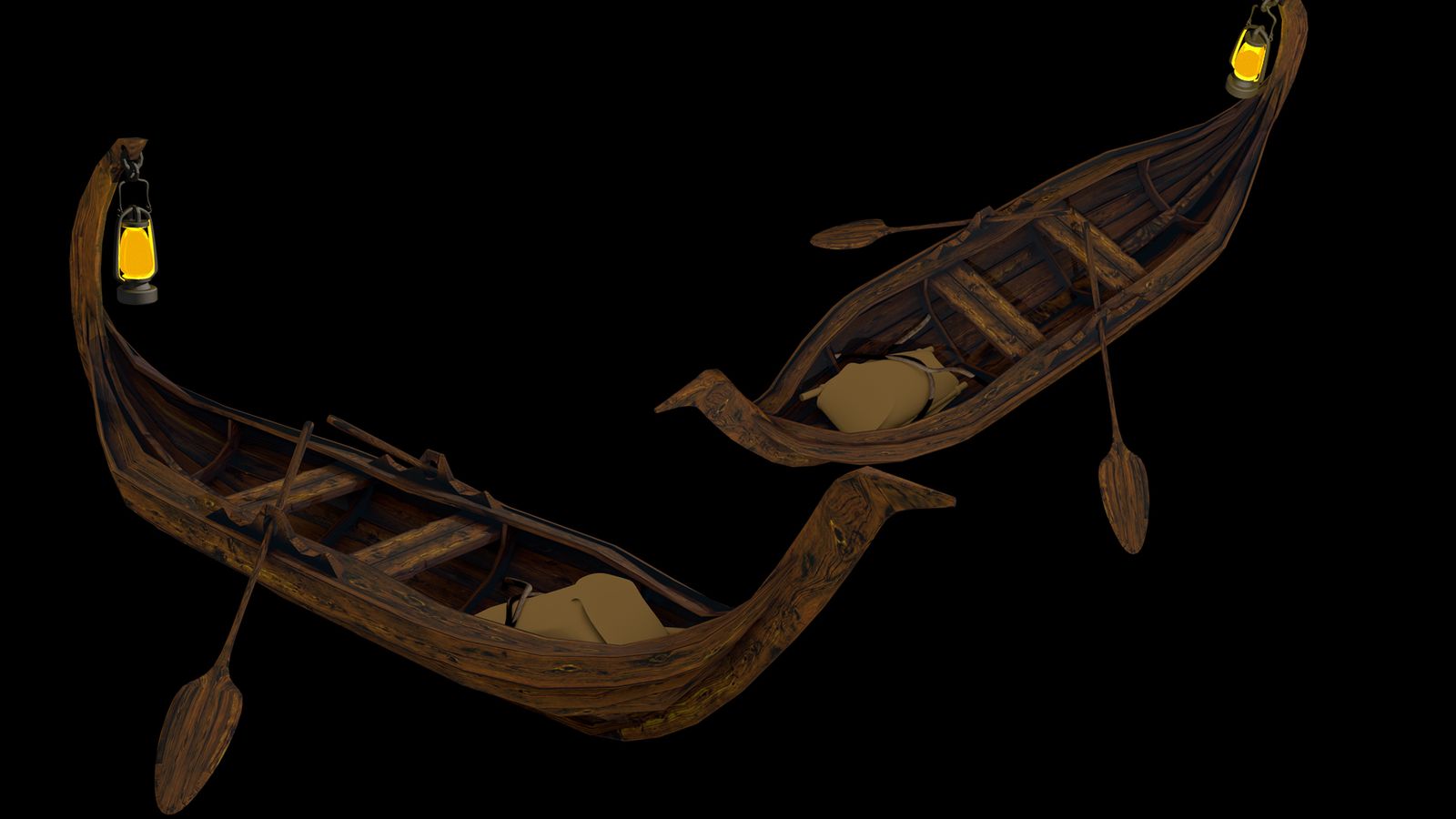
Boats 3D asset WIP
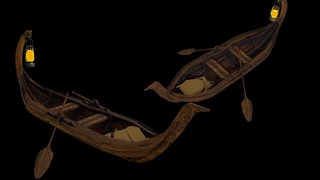
Asset development — the boats in 3D. The bird-head bow, the grain of the aged wood, the hanging lantern carrying warm light into the dark water
04 — The Result
Twelve tableaux — a world that emerges from the pages of a book.

The near-finished 3D scenes were handed off to the production pipeline — compressing the translation risk between art direction and execution by carrying the work through to a production-ready state rather than leaving 3D interpretation to others. The handoff included complete scene assemblies, asset libraries, and material specifications.

Each tableau operated at a different scale and register — from the intimate domestic hut to the impossible geometry of the crystal staircase to the village erupting beyond the page boundary into the reader's room. The consistent thread was the illustrated quality: the world of the story feeling handmade and therefore believable.

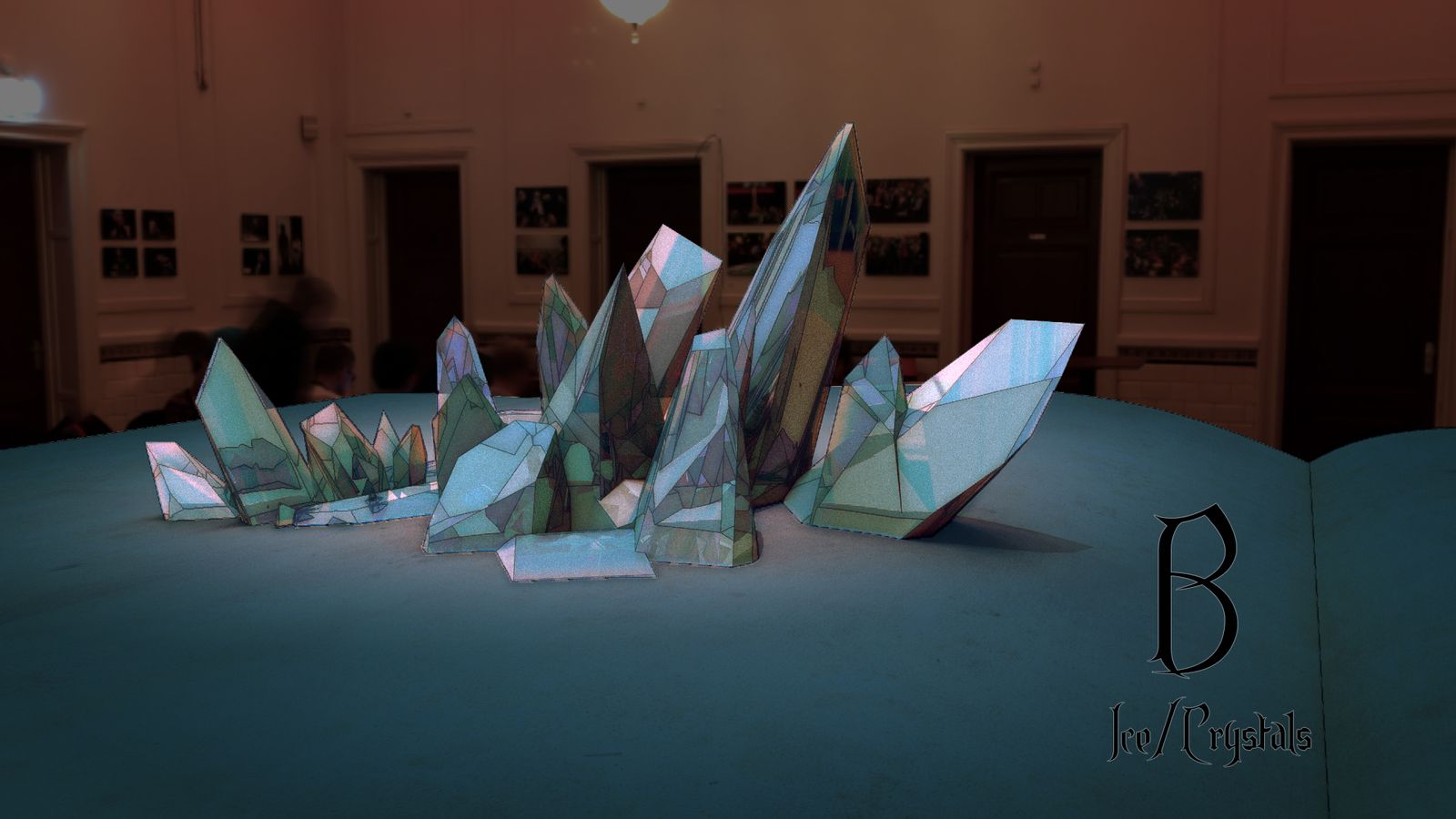
Lookdev — Ice Crystals
Two render variants — the illustrated quality question applied to a material.
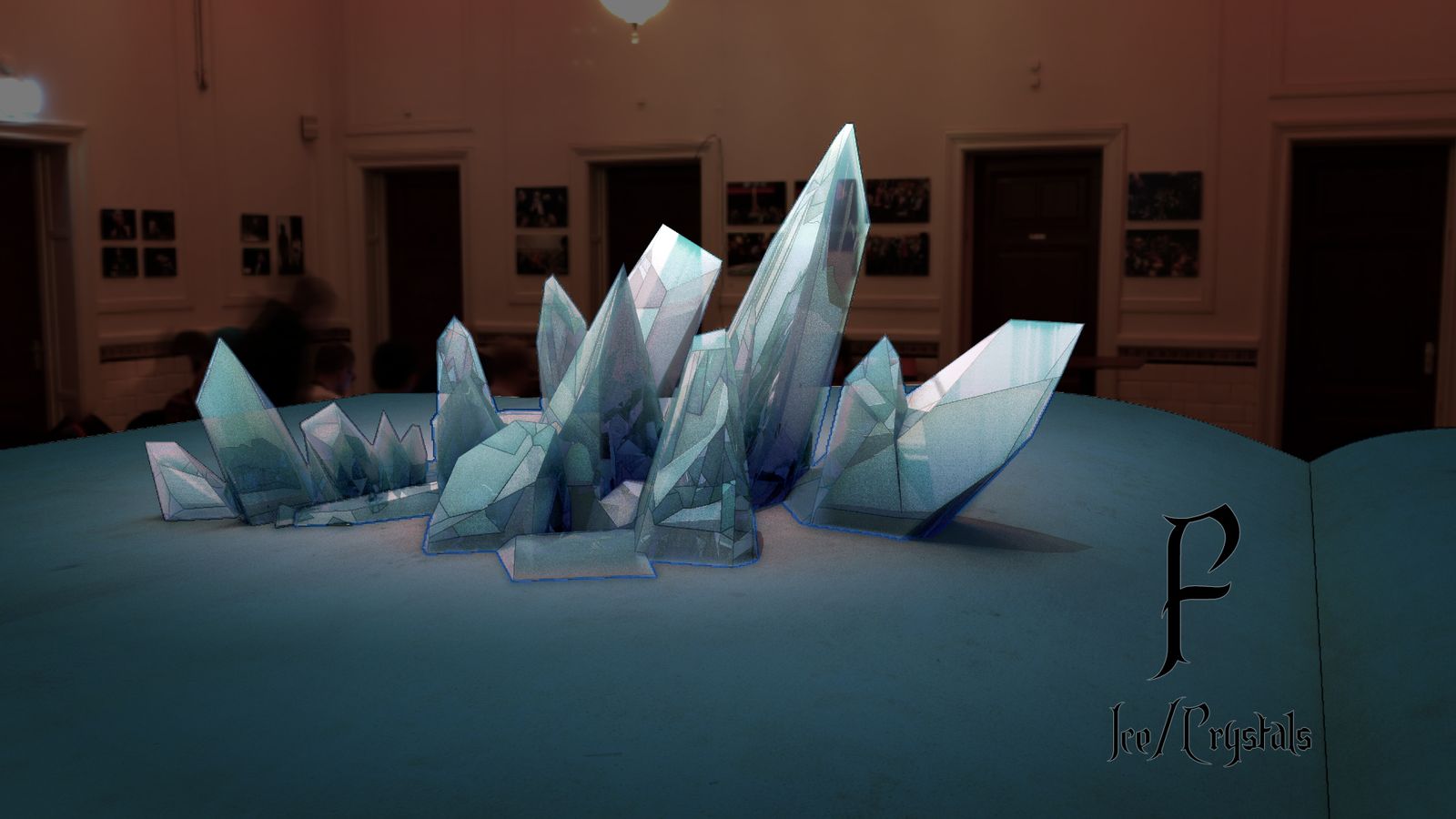
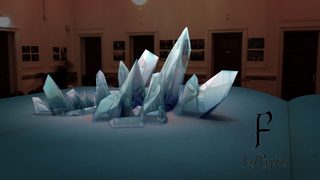
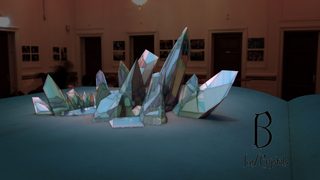
Crystal lookdev — version F
Version F — cooler, cleaner ice quality. The illuminated manuscript letter in the corner carries the fairy tale typography into the AR experience itself
Crystal lookdev — version B
Version B — warmer, stained-glass quality. The illustrated texture applied to the facet surfaces, pushing toward the tradition rather than away from it
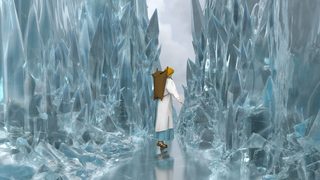
Emma walking through the crystal corridor — the illustrated character against the photorealistic crystals. The tension between the two registers used as a feature
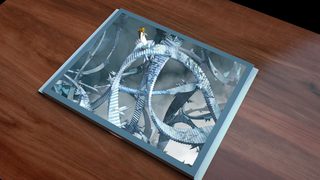
Tableau 4 — the impossible crystal staircase. Escher-like geometry filling the two-page spread, the world of the story exceeding the physical laws of the book that contains it
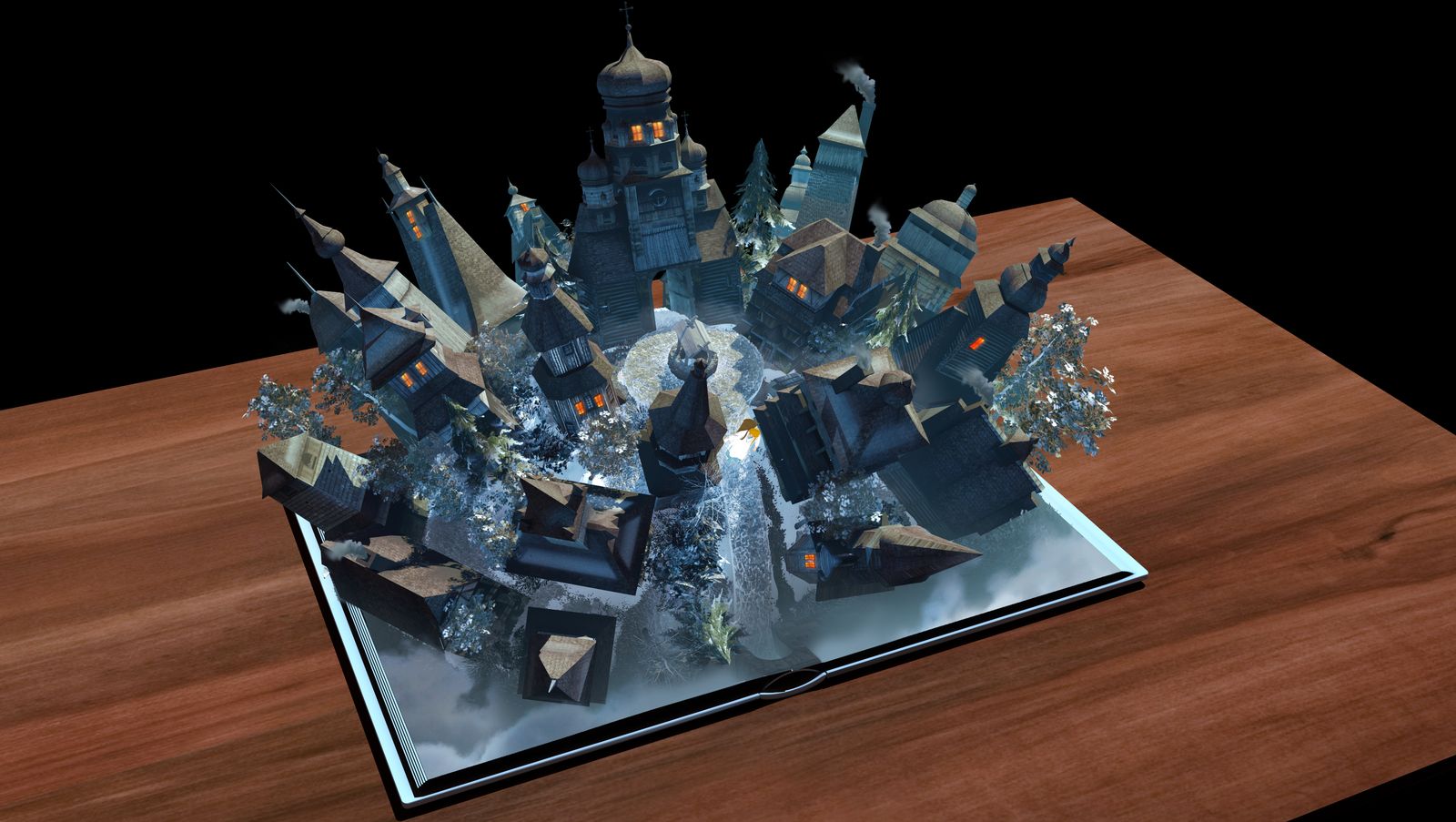
Architecture — Tableau 6
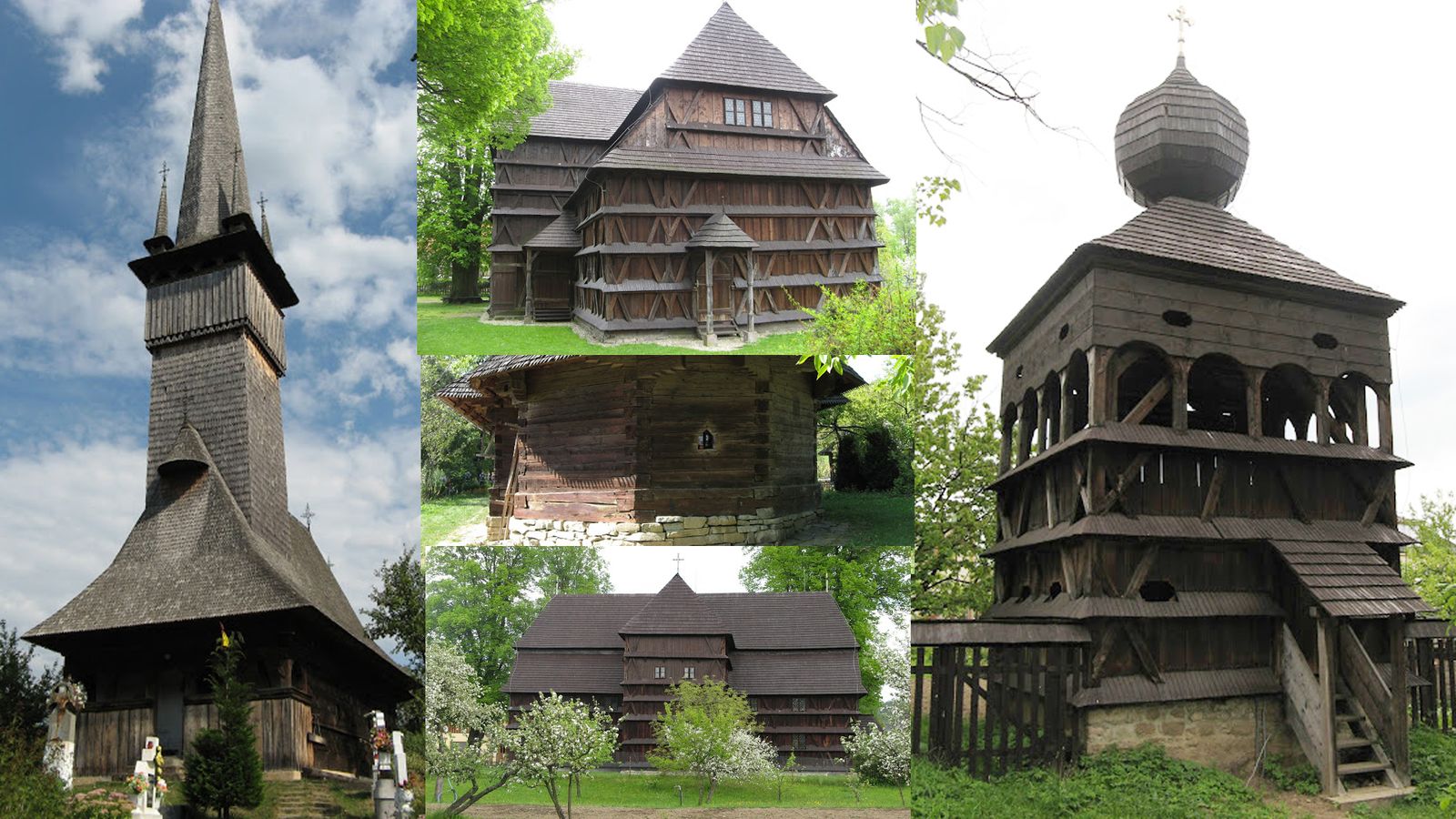
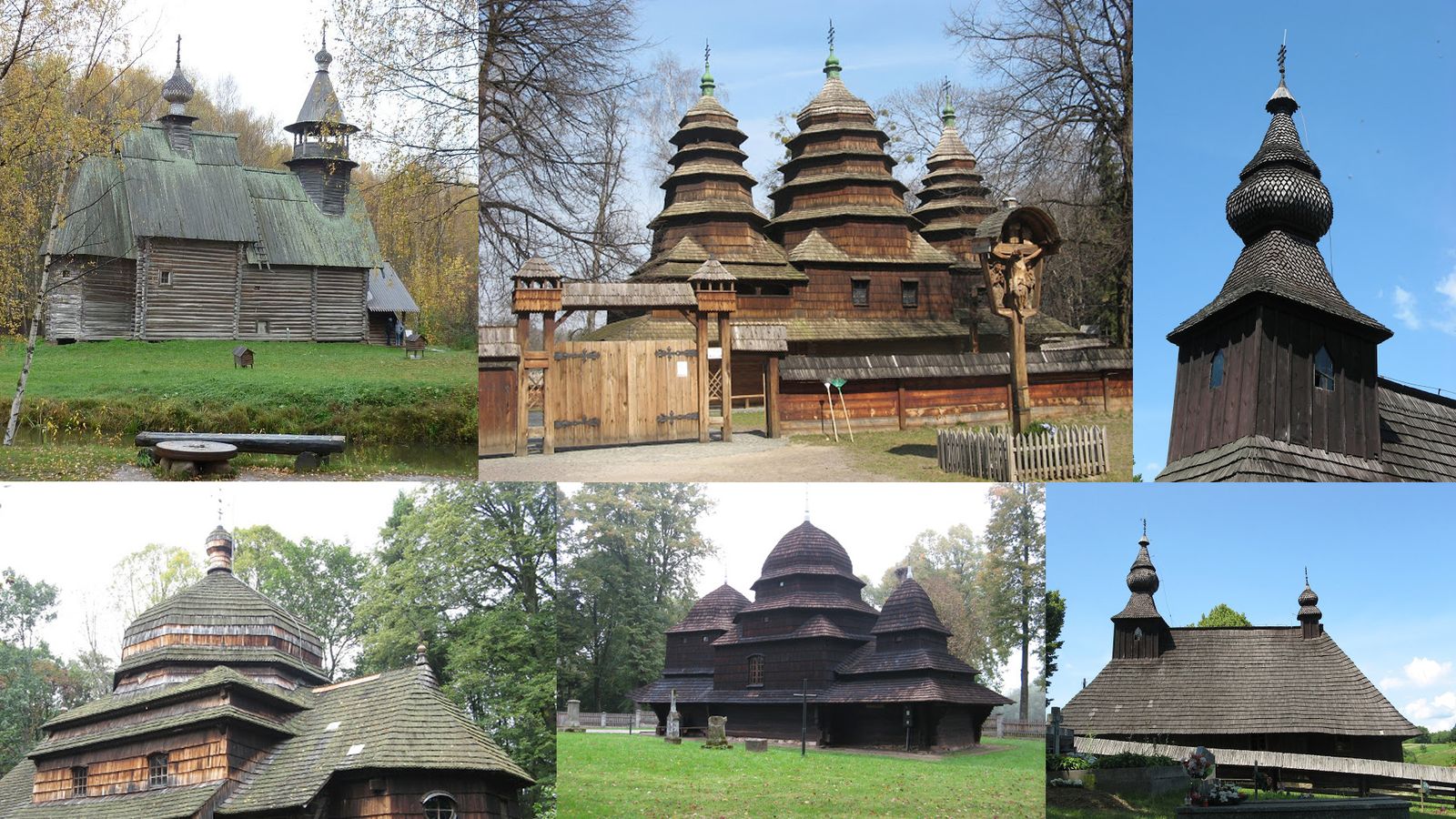
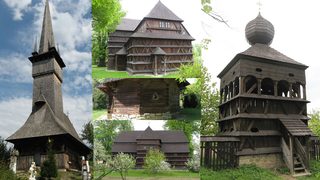
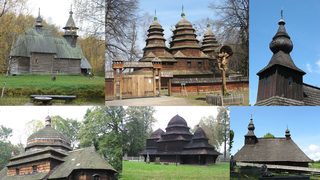
Eastern European wooden churches as the foundation for the village tableau.
Eastern European wooden church reference
Reference — Romanian and Slovak wooden churches. Onion domes, timber framing, tower forms
Eastern European wooden church reference 2
Reference — Ukrainian and Polish wooden church architecture. The layered roof forms and shingled towers that informed the village silhouette
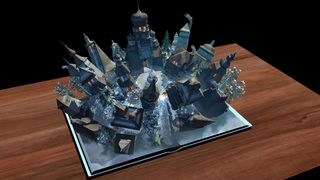
Village tableau WIP
Tableau 6 — the village erupting from the book. The buildings breaking beyond the page boundary into the reader's space, the story escaping the object that contains it
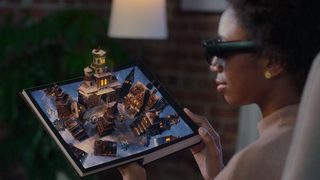
Seven Ravens — promotional image
The finished experience — promotional material courtesy Felix & Paul Studios. Not created by Hungry Ghost.
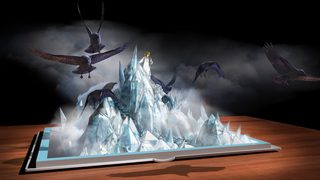
Tableau 8 — Emma atop the crystal mountain, seven ravens circling in the stormy sky. The ravens break free of the book into the room — the story's world and the reader's world becoming one
All images
Previous Project
Runaways
Next Project
Candy-Themed LBE